
Finding the right hub can simplify a crowded smart home fast. The best smart home hubs under 300 bring your devices, automations, and voice assistants into one place without pushing you into a premium price tier.
Whether you want local control, Matter and Thread support, or a simple control panel for everyday use, the right choice depends on your ecosystem and how much automation you plan to build.
Best 10 Smart Home Hubs Under 300 Picks for 2026
Official Local Automation Hub

- Home Assistant preinstalled for quick setup
- Fanless, silent, and power-efficient
- USB expandability for Z-Wave, Zigbee, and Thread
Best For: Users who want advanced local automation in an official Home Assistant box
Wall-Mounted Control Panel

- 8-inch smart home dashboard for quick control
- Supports Wi-Fi, Zigbee, Matter, Thread, and more
- Wall-mountable and customizable for family use
Best For: Alexa households that want a central touchscreen control panel
Multi-Protocol Automation Hub

- Supports Aqara Zigbee, Thread, and Matter bridging
- Local automations with encrypted onboard storage
- Includes 360° IR blaster plus PoE and USB-C
Best For: Aqara and Matter users who want local control and IR support
Certified Refurbished Touch Hub
- Certified refurbished and tested to look and work like new
- Customizable Alexa control panel for smart home devices
- Supports Wi-Fi, Zigbee, Matter, Sidewalk, and Thread
Best For: Budget-minded buyers who want an Echo Hub-style control panel
Aqara M200 Multi-Protocol Hub
Smart home hub under 300 for Aqara-heavy setups

- Matter Controller, Thread Border Router, and Matter Bridge in one
- Supports up to 40 Zigbee and 40 Thread devices
- 360° IR blaster with local automation support
Best For: Aqara users who want local automation and IR control
SwitchBot Hub 2 Climate Remote Hub
Smart home hub under 300 with sensors

- Temperature, humidity, and light sensing built in
- IR remote learning for TVs, ACs, and more
- Includes two smart buttons and Matter support for select devices
Best For: Homes that need sensing plus simple IR-based automation
Homey Pro mini Local Automation Hub
Smart home hub under 300 for broad compatibility

- Supports Zigbee, Matter, Thread, and Ethernet
- Works with 1,000+ brands via Homey apps
- No subscription required and includes local processing
Best For: Users who want wide compatibility and no monthly fee
Compact Lighting Bridge
Lutron Caseta Smart Hub Compatible with Alexa, Apple, Google Home, & More
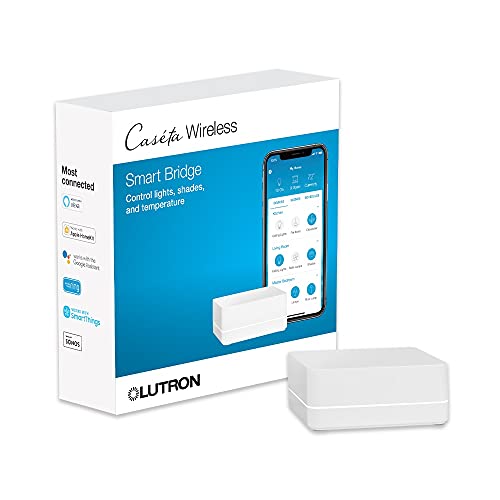
- Supports Alexa, HomeKit, Google Assistant, Ring, and Sonos
- Simple plug-in setup with app-based control
- Handles up to 75 Caseta devices
Best For: Caseta users who want easy lighting and shade control
Versatile Multi-Protocol Hub
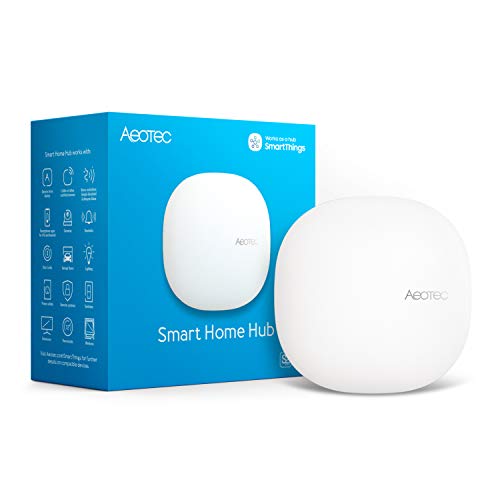
- Works with Matter, Zigbee, Wi‑Fi, Alexa, and Google Home
- Set up via Wi‑Fi or Ethernet in the SmartThings app
- Many automations can run locally
Best For: Mixed smart homes that want broad device compatibility
Advanced Local Automation Hub
Hubitat Elevation C-8 Pro Smart Home Hub, Local Control and Automations

- Processes core automations locally for speed and reliability
- Supports Z-Wave, Zigbee, Matter, and Bluetooth devices
- No mandatory monthly subscription
Best For: Power users who want advanced, local home automation
Official Local Automation Hub – Home Assistant Green
Home Assistant Green | Smart Home hub with Advanced Automation | Official Home Assistant Hardware
Check Price On AmazonIf you want one of the most capable smart home hubs under 300, Home Assistant Green is an easy entry point that still leaves room to grow. It arrives with Home Assistant preinstalled, so setup starts with plugging in power and Ethernet, then you can build automations and manage devices from a single local hub.
Best For: Buyers who want an official Home Assistant hub with local control and advanced automation.
Pros:
- Home Assistant is already installed for a simple start
- Small, fanless, and silent design uses only a couple of watts
- Official hardware supported by Nabu Casa
- USB expandability for Z-Wave, Zigbee, and Thread devices
Cons:
- Uses Ethernet rather than built-in Wi-Fi
- More suited to users comfortable with Home Assistant’s ecosystem
Overall, Green is a practical pick if you want privacy-focused automation and the flexibility to expand later. It is especially compelling for users who prefer keeping home data local while still being able to add more wireless protocols over time.
Wall-Mounted Control Panel – Amazon Echo Hub
Amazon Echo Hub is a strong choice if you want a smart home hub under 300 that works more like a dedicated control panel than a general-purpose tablet. The 8-inch display lets you organize devices, launch routines, check cameras, and manage compatible security gear from one wall-mounted dashboard.
Best For: Families and Alexa users who want a central, easy-to-use smart home dashboard.
Pros:
- Customizable dashboard with sections and resizable controls
- Works with thousands of Alexa-compatible devices
- Built-in support for Wi-Fi, Bluetooth, Zigbee, Matter, Sidewalk, and Thread
- Wall-mountable design with optional cable-hiding accessories
Cons:
- Some advanced features rely on optional subscriptions or accessories
- Best experience is tied to the Alexa ecosystem
Echo Hub is best when your priority is fast day-to-day control rather than deep tinkering. It puts routines, cameras, and security functions in an easy-access format that can simplify a busy smart home.
Multi-Protocol Automation Hub – Aqara Smart Home Hub M3
Aqara’s M3 is one of the more flexible smart home hubs under 300 if you want local automation plus broad protocol support. It works with Aqara Zigbee and Thread devices, bridges into Matter ecosystems, and adds an IR blaster for controlling traditional air conditioners and other remote-based gear.
Best For: Aqara users and mixed-ecosystem homes that want Matter bridging, local automations, and IR control.
Pros:
- Supports Aqara Zigbee and Thread devices with Matter bridge functionality
- Edge hub design prioritizes local control and automation
- Built-in 360° IR blaster with feedback and learning
- Includes Wi-Fi, PoE, USB-C, and encrypted local storage
Cons:
- Supports only Aqara Zigbee devices, not third-party Zigbee devices
- Thread repeaters are needed for full Thread device support
The M3 stands out for homes that want a hub to bridge more than one ecosystem without giving up local-first control. Its wired and wireless connectivity options also make it easier to place where stability matters most.
Certified Refurbished Touch Hub – Like-New Amazon Echo Hub
If you like the idea of the Echo Hub but want to save money, this like-new refurbished version is an easy way to get a smart home hub under 300 with the same core control-panel approach. It’s designed to be wall mounted, gives you customizable dashboard widgets, and works with thousands of Alexa-compatible devices.
Best For: Shoppers who want Echo Hub features at refurbished pricing.
Pros:
- Certified refurbished, tested, and certified to look and work like new
- Customizable dashboard for devices, cameras, and routines
- Compatible with Wi-Fi, Bluetooth, Zigbee, Matter, Sidewalk, and Thread devices
- Wall-mountable with optional cable management accessories
Cons:
- May arrive in generic Amazon-branded packaging
- Table-top stand and cable-hiding accessories are sold separately
This refurbished model is a smart value play if you want the Echo Hub experience with less upfront cost. It keeps the same control-focused format and broad device support, making it a practical fit for Alexa-centered homes.
Aqara M200 Multi-Protocol Hub – Smart home hub under 300 for Aqara-heavy setups
If you want a smart home hub under 300 that can do more than basic bridging, the Aqara Hub M200 is built for multi-protocol control. It combines Matter Controller, Thread Border Router, and Matter Bridge functions, while also adding Zigbee, Wi-Fi, and IR support for a flexible all-in-one setup.
Best For: Aqara users who want local automation, Matter support, and IR control in one hub.
Pros:
- Supports Matter Controller, Thread Border Router, and Matter Bridge roles
- Works with up to 40 Aqara Zigbee devices and 40 Thread devices
- 360° IR blaster can control traditional remote-based devices like TVs and ACs
- Offers local automation for Zigbee and Matter devices with millisecond response times
Cons:
- Only one AC device can be exposed to Matter
- Some features depend on the Matter integration app used
- USB power adapter is not included
The M200 stands out if you already use Aqara devices and want broader ecosystem compatibility without giving up local control. Its PoE support and backup power options also make it a practical pick for a more reliable always-on hub.
SwitchBot Hub 2 Climate Remote Hub – Smart home hub under 300 with sensors
The SwitchBot Hub 2 is a smart home hub under 300 that adds climate monitoring and IR control to a compact package. It combines a WiFi thermometer, hygrometer, light sensor, and smart remote features, making it useful if you want one hub to monitor conditions and manage appliances.
Best For: Homes that need room sensing, IR remote control, and simple automation triggers.
Pros:
- Built-in temperature, humidity, and light sensors with app monitoring
- Can learn and control many infrared appliances like TVs and air conditioners
- Includes two smart buttons for quick control or scenes
- Supports Matter for SwitchBot Lock, Curtains, and Blind Tilts
Cons:
- Supports Wi-Fi only on 2.4GHz
- Matter support is limited to selected SwitchBot devices
- Air conditioner automation requires careful setup of learn-button controls
This is a strong choice if you want a hub that does more than relay commands, since its built-in sensors can help trigger automations based on real room conditions. It is especially appealing for users who want easy IR consolidation plus light, climate, and button-based control.
Homey Pro mini Local Automation Hub – Smart home hub under 300 for broad compatibility
The Homey Pro mini is a smart home hub under 300 aimed at users who want broad device compatibility and local control in a compact package. It supports Zigbee, Matter, Thread, and Ethernet out of the box, and it can automate devices from more than 1,000 brands through Homey apps.
Best For: Users who want a flexible, privacy-focused hub with wide brand support and no subscription.
Pros:
- Supports Zigbee, Matter, Thread, and Ethernet out of the box
- Local data processing improves privacy and reliability, even if the internet goes down
- Works with 1,000+ brands through official and community Homey apps
- No subscription required for full access to features and remote access
Cons:
- Z-Wave, Bluetooth, and Infrared require the separate Homey Bridge
- Advanced customization may be better suited to users who like building flows
If your priority is one hub that can centralize a wide mix of devices, the Homey Pro mini is the most flexible option here. Its local processing and no-subscription approach make it especially appealing for buyers who want reliability without ongoing fees.
Compact Lighting Bridge – Lutron Caseta Smart Hub Compatible with Alexa, Apple, Google Home, & More
If you’re comparing smart home hubs under 300, the Lutron Caseta Smart Hub is a straightforward choice for lighting control and voice assistant integration. It plugs into your router, works through the Lutron app, and is designed to manage Caseta devices without interfering with Wi‑Fi-connected gear.
Best For: Homeowners who want a simple hub for Lutron Caseta lights and shades with broad voice assistant support.
Pros:
- Compatible with Amazon Alexa, Apple HomeKit, Google Assistant, Ring, Serena shades, and Sonos
- Easy setup: plugs into an outlet, connects to your Wi‑Fi router, and uses the Lutron app
- Supports up to 75 Caseta devices for gradual expansion
- Clear Connect technology is designed not to interfere with Wi‑Fi devices
Cons:
- Works best within the Lutron Caseta ecosystem
- Coordinating accessories are sold separately
For users focused on dependable lighting and shade control, this hub keeps things simple and targeted. It’s less of an all-in-one automation platform and more of a polished bridge for building out a Caseta-based smart home.
Versatile Multi-Protocol Hub – Aeotec Smart Home Hub, Works as a SmartThings Hub, Z-Wave, Zigbee, Matter Gateway, Compatible with Alexa, Google Assistant, WiFi
Among smart home hubs under 300, the Aeotec Smart Home Hub stands out for broad compatibility and flexible connectivity. It supports Wi‑Fi or Ethernet setup, works with the SmartThings app, and can coordinate thousands of compatible devices across several major smart home standards.
Best For: Buyers who want a flexible hub for mixed-device smart homes and SmartThings automation.
Pros:
- Compatible with Matter, SmartThings, Z-Wave Plus, Zigbee, Wi‑Fi, Alexa, and Google Home
- Supports wired Ethernet or Wi‑Fi for setup and connectivity
- SmartThings app lets you build automations and manage devices on mobile devices
- Many automations can run locally for better speed and reliability
Cons:
- Z-Wave Plus support applies to the V3 model only
- Best suited to users already interested in the SmartThings ecosystem
This is a strong fit if you want one hub to bring several device types together. Its value is in breadth and flexibility, especially if you plan to mix ecosystems instead of standardizing on just one brand.
Advanced Local Automation Hub – Hubitat Elevation C-8 Pro Smart Home Hub, Local Control and Automations
If you’re shopping for smart home hubs under 300 and want deeper automation control, the Hubitat Elevation C-8 Pro is built for local processing and detailed rule-making. It handles compatible devices on the hub itself for fast response, and it keeps working on core automations even if the internet goes down.
Best For: Power users who want local automations, broad protocol support, and advanced customization.
Pros:
- Local processing supports fast, private, and reliable automations
- Works with Z-Wave 800 Series, Z-Wave Long Range, Zigbee 3.0, Matter 1.5, and supported Bluetooth devices
- Supports 1,000+ compatible devices across 100+ brands
- No mandatory monthly subscription for core features
Cons:
- Advanced tools may be more than casual users need
- Some features and integrations may require setup and configuration
This hub is strongest when you want control, flexibility, and local reliability over plug-and-play simplicity. It’s a compelling choice for serious home automation setups that benefit from advanced rules and ongoing platform updates.
How We Picked the Best Smart Home Hubs Under 300
We focused on hubs that balance price, compatibility, and long-term usefulness. Strong picks needed broad ecosystem support, solid automation features, and clear value for buyers building or expanding Smart Home Hubs Under 300.
We also weighed practical details such as local control options, support for Zigbee, Z-Wave, Matter, Thread, Wi-Fi, and IR, plus ease of setup and whether a hub works well as a daily control center or automation brain.
Quick Comparison
If you want the simplest path, choose a hub that matches your main ecosystem first, then check device radios and automations. Alexa-centered buyers may prefer a touchscreen control panel, while power users often benefit more from hubs with local automation and multi-protocol support.
In this category, there is no single best model for everyone. The right pick depends on whether you prioritize voice control, advanced automation, broad compatibility, or smart home management with less cloud dependence.
Key Buying Factors for Smart Home Hubs Under 300
Compatibility
Confirm support for the devices you already own. If your home uses Zigbee sensors, Z-Wave locks, Thread accessories, or Matter-certified gear, make sure the hub supports those standards before anything else.
Automation Style
Some users only need simple routines, while others want more advanced rules, scenes, and condition-based automations. For Smart Home Hubs Under 300, local automation can improve speed and reliability.
Control Method
Decide whether you want app-first control, voice integration, or a wall-mounted or tabletop interface. A display hub can be more convenient for shared spaces, while app-centric hubs may offer deeper flexibility.
Future-Proofing
Look for Matter, Thread, and multi-protocol support if you plan to expand over time. These features can reduce the chance of replacement as your smart home grows.
Who Should Buy Which Smart Home Hubs Under 300?
If you want advanced automation and more hands-on control, a locally focused hub is usually the smarter choice. If your household relies on Alexa, Google Home, or Apple Home, pick a hub that integrates cleanly with that ecosystem.
Buyers who want broad compatibility with many device brands should lean toward multi-standard hubs, while those building a mostly lighting- or sensor-based setup may be best served by a simpler, lower-maintenance model. For Smart Home Hubs Under 300, the best purchase is the one that fits your devices today and your expansion plans for tomorrow.