
Choosing the right processor for 3D modeling can make a bigger difference than many buyers expect. From viewport responsiveness to simulation and final render speed, the CPU you pick shapes everyday workflow performance.
Below, we’ve focused on 10 standout options that balance core count, clock speed, platform value, and real-world flexibility for creators building or upgrading a 3D workstation.
Best 10 Processor for 3D Modeling Picks for 2026
Flagship Workstation
VidCore Core Ultra 9 285K 3D Modeling PC
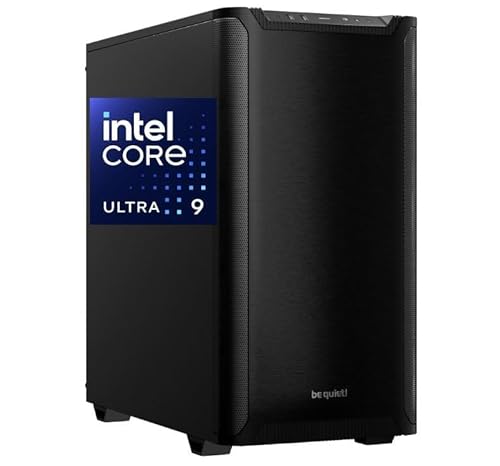
- 24-core Intel Core Ultra 9 285K
- 64GB DDR5 and 2TB NVMe SSD
- Quadro RTX 2000 Ada with 16GB
Best For: Creators needing a turnkey 3D modeling and editing workstation
High-Cache CPU
AMD Ryzen 7 9850X3D for Modeling

- 8 cores, 16 threads
- 104MB cache for demanding workloads
- Socket AM5 unlocked desktop CPU
Best For: AM5 builders wanting a strong processor for 3D modeling
Professional Tower
VidCore Core Ultra 9 285K Modeling Rig

- 24-core Core Ultra 9 285K
- 64GB DDR5 and 2TB NVMe SSD
- Quadro RTX 2000 Ada with 16GB
Best For: Professionals wanting a compact prebuilt workstation for modeling
Desktop CPU Pick
AMD Ryzen 9 9900X 12-Core Processor

- 12 cores and 24 threads
- 5.6 GHz max boost
- DDR5-5600 and AM5 support
Best For: Builders seeking a modern AM5 CPU for creative work
Intel High-Clock Workhorse
Intel Core i7-14700K 20-Core Unlocked CPU
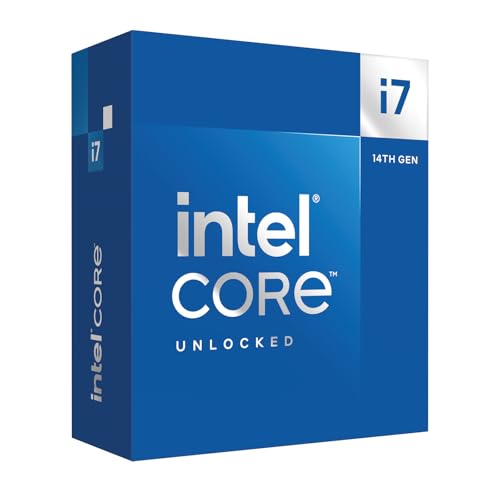
- 20 cores and 28 threads for creator multitasking
- Up to 5.6 GHz Turbo Boost Max 3.0
- Integrated Intel UHD Graphics 770 included
Best For: 3D modelers wanting a fast Intel CPU with flexible memory support
AMD Cache-Rich AM5 Pick
AMD Ryzen 7 7800X3D 8-Core Desktop Processor

- 8 cores and 16 threads for balanced workloads
- 96 MB L3 cache for strong responsiveness
- AM5 socket with AMD Radeon Graphics controller
Best For: AM5 builders who want a cache-heavy CPU for responsive modeling
AMD Core-Heavy Creator Pick
AMD Ryzen 9 5900XT 16-Core Unlocked Processor

- 16 cores and 32 threads for heavy multitasking
- 72 MB cache and 4.8 GHz max boost
- AM4 platform with DDR4-3200 and PCIe 4.0
Best For: AM4 creators needing lots of threads for modeling and productivity
Modern AM5 Creator Pick
AMD Ryzen 7 9700X 8-Core Desktop Processor

- 8 cores and 16 threads
- Up to 5.5 GHz max boost
- DDR5-5600 on Socket AM5
Best For: 3D modelers building a modern AM5 system
Value AM4 Workhorse
AMD Ryzen 7 5800X 8-Core Processor

- 8 cores and 16 threads
- 4.7 GHz max boost
- 36 MB cache with AM4 support
Best For: AM4 users seeking a dependable modeling CPU
Efficient AM4 Creator Choice
AMD Ryzen 7 5700X 8-Core Processor

- 8 cores and 16 threads
- 65W lower-power design
- 36 MB cache on Socket AM4
Best For: Quiet, efficient AM4 3D modeling builds
Flagship Workstation – VidCore Core Ultra 9 285K 3D Modeling PC
If you need a processor for 3D modeling that can also handle heavy video work, this VidCore tower is built around the 24-core Intel Core Ultra 9 285K and a Quadro RTX 2000 Ada GPU. The combination is aimed at large scenes, multitasking, and long creative sessions, with 64GB DDR5 memory and a 2TB NVMe SSD helping keep projects responsive.
Best For: Creators who want a ready-to-use workstation for 3D modeling, editing, and multi-monitor workflows.
Pros:
- 24-core Core Ultra 9 285K with Turbo Boost up to 5.7 GHz
- 64GB DDR5 RAM and 2TB NVMe SSD for large project files
- Quadro RTX 2000 Ada with 16GB dedicated memory and optimized professional drivers
- Supports up to four high-resolution displays via Mini DisplayPort
Cons:
- More workstation than a simple desktop CPU-only upgrade
- Large tower and 45-pound system weight may limit portability
This is a strong pick if you want a balanced, professionally configured system rather than assembling parts yourself. The cooling, memory, and storage spec make it well suited to sustained creative workloads.
High-Cache CPU – AMD Ryzen 7 9850X3D for Modeling
For buyers looking for a processor for 3D modeling rather than a full workstation, the Ryzen 7 9850X3D offers 8 cores, 16 threads, and a large 104MB cache. Its 4.7 GHz speed and 140W design make it a strong desktop CPU choice when you want a focused upgrade for demanding creative and simulation tasks.
Best For: Users building a Socket AM5 system who want a high-cache CPU for creative workloads and general performance.
Pros:
- 8 cores and 16 threads for solid multitasking
- 104MB cache can help with heavy workloads
- Socket AM5 platform for compatible desktop builds
- Unlocked desktop processor with 4.7 GHz speed
Cons:
- Cooler is not included
- Only the processor is included, so you must supply the rest of the system
This CPU makes sense if you already have a compatible AM5 build in mind and want a fast, cache-rich processor at the center of it. It is a practical route for users prioritizing CPU performance over an all-in-one system bundle.
Professional Tower – VidCore Core Ultra 9 285K Modeling Rig
This VidCore system is another strong processor for 3D modeling option, pairing the Intel Core Ultra 9 285K with 64GB DDR5 RAM and a 2TB PCIe NVMe SSD. It is designed for long, demanding creative sessions, and the Quadro RTX 2000 Ada adds professional graphics support for 3D and video workloads.
Best For: Professional users who want a compact workstation for 3D modeling, editing, and multi-display productivity.
Pros:
- 24-core Intel Core Ultra 9 285K with Turbo Boost up to 5.7 GHz
- 64GB DDR5 RAM supports large and complex projects
- Quadro RTX 2000 Ada with 16GB and optimized drivers
- 750W power supply and liquid cooling for extended sessions
Cons:
- Primarily a prebuilt system, not a standalone processor
- Smaller tower size may offer less upgrade flexibility than larger cases
If you want a ready workstation instead of piecing together components, this model covers the essentials for demanding creative work. Its cooling, memory, and storage configuration make it a practical choice for sustained output.
Desktop CPU Pick – AMD Ryzen 9 9900X 12-Core Processor
If you’re shopping for a processor for 3D modeling and want a straightforward desktop chip, the Ryzen 9 9900X brings 12 cores, 24 threads, and a 5.6 GHz max boost. Built on AMD’s Zen 5 architecture with DDR5-5600 support, it is aimed at users who want strong CPU performance in a Socket AM5 system.
Best For: Desktop builders who want a powerful general-purpose CPU for a modern AM5 workstation.
Pros:
- 12 cores and 24 threads for multitasking
- 5.6 GHz max boost with unlocked overclocking
- 76MB cache and DDR5-5600 support
- Socket AM5 platform with PCIe 5.0 support on select motherboards
Cons:
- Cooler not included
- Requires a compatible AM5 motherboard and full build
This processor is a sensible choice for builders who want strong core counts without moving into a full workstation package. If you’re assembling a modern desktop for creative work, it offers a solid performance foundation.
Intel High-Clock Workhorse – Intel Core i7-14700K 20-Core Unlocked CPU
If you want a processor for 3D modeling that can handle both viewport work and heavier background tasks, the Intel Core i7-14700K brings a strong mix of core count and high boost speed. Its 20 cores, 28 threads, and up to 5.6 GHz Turbo Boost Max 3.0 make it a practical pick for creators who need responsive everyday performance and headroom for demanding scenes.
Best For: 3D modelers who want a fast, unlocked Intel chip with integrated graphics and modern DDR4/DDR5 platform support.
Pros:
- 20 cores and 28 threads support multitasking and creation workloads.
- Up to 5.6 GHz boost helps with snappy responsiveness.
- Integrated Intel UHD Graphics 770 is included.
- Supports DDR4 and DDR5 platforms for flexible builds.
Cons:
- Requires a compatible Intel 600- or 700-series motherboard.
- May need a BIOS update on some 600-series boards.
- 125W wattage means it is not a low-power option.
Overall, this is a versatile processor for 3D modeling if you want strong core count plus high clock speeds in one unlocked package. It is especially appealing for builders who value platform flexibility and built-in graphics.
AMD Cache-Rich AM5 Pick – AMD Ryzen 7 7800X3D 8-Core Desktop Processor
The AMD Ryzen 7 7800X3D is a smart processor for 3D modeling if you want efficient 8-core performance with a very large cache pool. With 8 cores, 16 threads, a 4.2 GHz clock speed, and 8 MB L2 plus 96 MB L3 cache, it is built for dependable speed and good responsiveness in a modern AM5 system.
Best For: Creators building on AM5 who want a cache-rich CPU with solid everyday modeling performance.
Pros:
- 8 cores and 16 threads provide balanced multitasking.
- 8 MB L2 plus 96 MB L3 cache can help system responsiveness.
- Supports the AM5 socket and includes AMD Radeon Graphics controller.
- 5 nm process and 120W wattage offer a modern platform.
Cons:
- Lower core count than the other processors in this roundup.
- Rated at 4.2 GHz base speed, so raw core count is limited.
- Requires an AM5 motherboard.
This is a good fit for users who value cache-heavy performance and a newer platform over maximum core count. For 3D modeling workflows that lean on strong general responsiveness, it is an appealing choice.
AMD Core-Heavy Creator Pick – AMD Ryzen 9 5900XT 16-Core Unlocked Processor
If you need a processor for 3D modeling with plenty of parallel muscle, the AMD Ryzen 9 5900XT stands out with 16 cores and 32 threads. Its Zen 3 design, 4.8 GHz max boost, and 72 MB cache make it a strong match for creators who want substantial multitasking capacity on the AM4 platform.
Best For: 3D artists who want a high-core-count AM4 CPU for heavier creation workloads.
Pros:
- 16 cores and 32 threads are well suited to demanding multitasking.
- 4.8 GHz max boost and unlocked design add flexibility.
- 72 MB cache supports fast access to frequently used data.
- DDR4-3200 and PCIe 4.0 support fit established AM4 builds.
Cons:
- Cooler is not included.
- Requires an AM4 motherboard.
- Base clock is 3.3 GHz, so its appeal is more in core count than raw single-core speed.
For users already on AM4, this CPU offers a straightforward way to add more cores for creation-heavy work. It is a practical choice when 3D modeling and other productivity tasks benefit from extra threading.
Modern AM5 Creator Pick – AMD Ryzen 7 9700X 8-Core Desktop Processor
If you’re comparing a processor for 3D modeling, the Ryzen 7 9700X is a strong fit for users who want fast viewport responsiveness, solid multitasking, and a newer platform. Its 8 cores, 16 threads, and Zen 5 design make it a practical choice for modeling work, while DDR5-5600 support and Socket AM5 compatibility keep the build current.
Best For: 3D modelers who want a modern AM5 CPU with strong all-around speed and upgrade headroom.
Pros:
- 8 cores and 16 threads for smooth multitasking in modeling workflows
- Up to 5.5 GHz max boost for quick interactive performance
- DDR5-5600 support and Socket AM5 platform for newer builds
- Unlocked for overclocking if you want extra tuning flexibility
Cons:
- Cooler is not included
- Needs an AM5 motherboard, which may increase total build cost
- PCIe 5.0 support depends on the motherboard used
This is a capable desktop processor for 3D modeling if you’re building around the latest AMD platform and want a balanced mix of speed and future-focused support.
Value AM4 Workhorse – AMD Ryzen 7 5800X 8-Core Processor
The Ryzen 7 5800X remains a practical processor for 3D modeling if you’re on the AM4 platform and want strong all-core performance without moving to a newer socket. With 8 cores, 16 threads, and a 4.7 GHz max boost, it offers the kind of responsiveness that helps with modeling, scene navigation, and general creative workloads.
Best For: AM4 builders who want a proven 8-core processor for modeling and multitasking.
Pros:
- 8 cores and 16 threads for solid multitasking
- 4.7 GHz max boost for quick burst performance
- 36 MB cache and PCIe 4.0 support on compatible boards
- Unlocked for overclocking
Cons:
- Cooler not included
- Requires an AM4 motherboard
- Uses DDR4-3200 instead of newer DDR5 memory
For users staying on AM4, this is still a capable desktop chip for 3D modeling work, especially when you want a balance of speed, cache, and platform maturity.
Efficient AM4 Creator Choice – AMD Ryzen 7 5700X 8-Core Processor
If you want a processor for 3D modeling on AM4 without jumping to a higher-wattage chip, the Ryzen 7 5700X is worth a look. It keeps the same 8-core, 16-thread layout as the 5800X but runs at a lower 65W rating, which can make it easier to build a quieter, more efficient workstation.
Best For: Modelers who want a lower-power AM4 processor for everyday creative work.
Pros:
- 8 cores and 16 threads for responsive multitasking
- 4.6 GHz max boost for quick bursts of speed
- 65W wattage can help with efficiency
- 36 MB cache and PCIe 4.0 support on X570/B550 boards
Cons:
- Cooler not included
- Requires a discrete graphics card
- Uses DDR4-3200 rather than DDR5
The 5700X is a sensible pick when you want strong everyday modeling performance and better power efficiency than higher-wattage alternatives on the same platform.
How We Picked the Best Processor for 3D Modeling
We selected CPUs and creator-focused systems that fit common 3D workloads: modeling, sculpting, light-to-heavy simulation, scene assembly, and CPU-based rendering. The best Processor for 3D Modeling usually combines strong single-core speed for interactive work with enough cores and threads to handle more demanding jobs without slowing the system down.
We also considered platform age, upgrade path, memory support, and value. For some buyers, a newer high-performance chip is worth the premium. For others, a well-priced AM4 or AM5 option delivers enough speed to keep budgets focused on the GPU, RAM, or storage.
Quick Comparison
High-end creator PCs with Core Ultra 9-class hardware are the most turnkey choices for buyers who want strong performance right away. Ryzen 9 and newer Ryzen 7 chips offer an appealing mix of core count and efficiency for custom builds. Older Ryzen 7 options remain useful when cost matters more than top-end speed, especially for entry-level or midrange workstations.
Key Buying Factors for a Processor for 3D Modeling
Core Count Vs. Clock Speed
For 3D work, higher core counts help with rendering, baking, and multitasking, while strong boost clocks improve navigation and tool response. The ideal balance depends on whether your workload is mostly interactive modeling or more render-heavy production.
Single-Core Performance
A fast Processor for 3D Modeling should feel snappy when orbiting scenes, moving objects, and working in dense viewports. Even in multi-core workflows, single-core speed still affects day-to-day usability.
Memory and Platform Support
Large scenes can consume a lot of RAM, so pairing a capable CPU with enough memory matters. Newer platforms generally offer better DDR5 support and a more future-proof upgrade path, while older platforms can save money if you already own compatible parts.
Cooling and Power
High-performance processors may need stronger cooling and a quality power supply. If your workflow includes long renders, choose a CPU and cooler combination that can sustain boost speeds without throttling.
Who Should Buy Which Processor for 3D Modeling?
If you want the fastest overall workstation experience and prefer a ready-made setup, choose one of the creator PCs built around Core Ultra 9 hardware. If you’re building a custom PC and want excellent all-around performance, a Ryzen 9 chip is a strong fit for serious 3D artists. If your work is mostly modeling, smaller scenes, or mixed creative tasks, a modern Ryzen 7 or Core i7 can offer better value without feeling slow. Budget-conscious buyers can still do solid work with older Ryzen 7 options, especially when paired with a capable GPU and enough RAM.
In short, the best Processor for 3D Modeling is the one that matches your render load, scene complexity, and upgrade plans—not just the one with the biggest spec sheet.