
Choosing the right graphics card for OBS streaming can make a bigger difference than many creators expect. A strong GPU helps with encoder support, smoother gameplay while recording, and fewer dropped frames.
Whether you’re building a budget streaming PC or upgrading for cleaner 1080p and beyond, the best pick depends on your workload, resolution, and platform support.
Best 10 Graphics Card for OBS Streaming Picks for 2026
AI-Ready Compact Pick

- 8GB GDDR7 with Blackwell and DLSS 4
- Axial-tech cooling plus 0dB mode
- DisplayPort 2.1b x3 and HDMI 2.1b
Best For: Streamers wanting a compact, current-gen NVIDIA option for OBS
Low-Profile Budget Build

- Low-profile card for compact cases
- 6GB GDDR6 with RTX 3050 support
- HDMI 2.1a and DisplayPort outputs
Best For: Small-case builders needing a basic NVIDIA OBS card
Ultra-Compact Value Choice

- Low-profile single-slot card with short bracket
- 50W TBP for efficient small builds
- 4GB GDDR6 with HDMI and mini-DP outputs
Best For: Ultra-compact, low-power systems with light OBS needs
Older 8GB Workhorse

- 8GB GDDR5 on Polaris architecture
- Factory OC with 1366/1386 MHz clocks
- 3x DisplayPort, HDMI, and DVI
Best For: Budget builds that need an older 8GB AMD card
Entry-Level Pick
MSI GT 1030 4GB DDR4 Low Profile
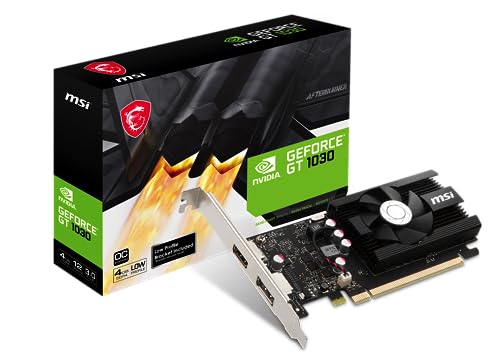
- Low-profile card for compact desktops
- HDMI and DisplayPort for flexible hookups
- 4GB DDR4 with a single-fan cooler
Best For: Budget builds and basic OBS streaming in small cases
Feature-Rich Option
ASRock Intel Arc A580 Challenger 8GB OC

- 8GB GDDR6 with a 256-bit interface
- Dual fans and 0dB silent cooling at low temps
- 3x DisplayPort 2.0 plus HDMI output
Best For: Streamers wanting stronger performance and modern display support
Budget Gaming Choice

- 8GB GDDR5 and a 256-bit memory bus
- Triple outputs: HDMI, DP, and DVI
- Dual-fan cooling with heat pipes
Best For: Budget streamers needing flexible outputs and solid memory capacity
Blackwell Streaming Upgrade
GIGABYTE RTX 5060 WINDFORCE OC for OBS

- NVIDIA Blackwell architecture with DLSS 4
- 8GB GDDR7 on a 128-bit interface
- WINDFORCE dual-fan cooling and PCIe 5.0
Best For: NVIDIA-focused streamers wanting a current-gen, practical upgrade
AI-Ready Compact Pick – ASUS Dual RTX 5060 8GB OC
If you want a graphics card for OBS streaming that stays modern without taking up much space, the ASUS Dual NVIDIA GeForce RTX 5060 is a strong fit. It pairs 8GB of GDDR7 memory with NVIDIA’s Blackwell architecture, DLSS 4, and a compact 2.5-slot design, making it a practical option for streamers building a capable desktop setup.
Best For: Streamers who want a newer NVIDIA card with compact dimensions, modern outputs, and solid headroom for OBS and gaming.
Pros:
- 8GB GDDR7 memory with NVIDIA Blackwell architecture and DLSS 4 support
- Axial-tech fan design and 0dB Technology for quieter operation at lighter loads
- Native DisplayPort 2.1b x3 and HDMI 2.1b for flexible monitor and capture setups
- 2.5-slot, 9-inch card size is easier to fit than many larger performance models
Cons:
- 8GB VRAM may be limiting for heavier multitasking or more demanding future workflows
- Dual-fan cooling is compact, but not as robust as larger triple-fan designs
This is a sensible streaming-focused choice if you want a current-generation NVIDIA card with efficient cooling and modern display connectivity. It looks especially appealing for users who prioritize OBS reliability and a smaller build over maximum raw GPU size.
Low-Profile Budget Build – MSI RTX 3050 LP 6G OC
The MSI Gaming RTX 3050 LP 6G OC is a practical graphics card for OBS streaming when you need a low-profile board that fits tighter cases. With 6GB of GDDR6 memory, a 96-bit interface, and HDMI 2.1a plus DisplayPort output, it covers basic streaming and everyday desktop use without a bulky footprint.
Best For: Budget-minded builders who need a compact low-profile NVIDIA card for lighter OBS streaming setups.
Pros:
- Low-profile design is well suited to small or slim cases
- 6GB GDDR6 memory and RTX 3050 support for entry-level streaming use
- HDMI 2.1a and DisplayPort output for standard multi-display setups
- Two-fan design while still keeping a short 6.9-inch length
Cons:
- 6GB VRAM and 96-bit memory bus are modest for heavier streaming workloads
- Older Ampere-based hardware is less forward-looking than newer RTX options
This card makes sense when form factor matters more than top-tier performance. For OBS users with a compact PC and modest expectations, it offers a straightforward path to NVIDIA-based streaming support.
Ultra-Compact Value Choice – Sparkle Intel Arc A310 ECO
If your graphics card for OBS streaming needs to be tiny, efficient, and simple, the Sparkle Intel Arc A310 ECO is built for that kind of job. It uses a low-profile, single-slot design with 4GB of GDDR6 memory, a 50W TBP, and includes a short bracket, which makes it easy to fit into very compact desktop builds.
Best For: Extremely small or low-power systems where compact size and basic streaming support matter most.
Pros:
- Low-profile, single-slot design with included short bracket
- Very low 50W TBP for efficient operation
- 4GB GDDR6 memory with HDMI and two mini DisplayPort outputs
- XeSS, DirectX 12 Ultimate, and Vulkan 1.3 support
Cons:
- 4GB VRAM is limited for more demanding OBS workloads
- 1080p maximum display resolution is basic compared with larger cards
This is a niche-friendly option for users who care most about fit and power draw. It is best treated as a compact utility card for lightweight streaming setups rather than a high-end OBS performer.
Older 8GB Workhorse – XFX Radeon RX 580 GTS XXX
The XFX Radeon RX 580 GTS XXX Edition is an older but still straightforward graphics card for OBS streaming if you want 8GB of VRAM on a proven platform. It uses AMD’s Polaris architecture, has factory overclocking, and includes XFX double dissipation cooling, so it remains a practical-looking option for basic desktop streaming and gaming use.
Best For: Users who want an older 8GB AMD card with standard outputs and built-in cooling for a budget build.
Pros:
- 8GB GDDR5 memory gives more breathing room than 4GB or 6GB cards
- Factory-overclocked RX 580 design with 1366 MHz true clock and 1386 MHz OC
- XFX double dissipation cooling is designed for stable thermals
- Three DisplayPort outputs plus HDMI and DVI for flexible monitor connectivity
Cons:
- Older Polaris-based architecture is dated versus newer streaming-focused GPUs
- 500W minimum power requirement is higher than compact low-power cards
This card is best viewed as a value-oriented legacy option rather than a modern streaming recommendation. It can still serve a simple OBS setup, but newer cards will offer more efficiency and current features.
Entry-Level Pick – MSI GT 1030 4GB DDR4 Low Profile
If you want a basic graphics card for OBS streaming, this MSI GT 1030 is mainly a lightweight option for desktops that need simple display support and modest video output capability. It offers a low-profile design, a single fan, and HDMI/DisplayPort connectivity, making it a practical fit for compact systems and very light streaming setups.
Best For: Budget desktop builds, low-profile cases, and users who need a simple GPU for basic OBS streaming and 4K display output.
Pros:
- Low-profile design fits smaller desktop cases
- Includes DisplayPort and HDMI 2.0b outputs
- 4GB memory and DirectX 12 support for general use
- Single-fan cooler keeps the card compact
Cons:
- DDR4 memory is modest for heavier streaming workloads
- 64-bit memory interface limits overall bandwidth
- Not aimed at demanding gaming or advanced capture tasks
For an ultra-budget graphics card for OBS streaming, this model makes sense when your priorities are small size, simple connectivity, and basic desktop performance rather than high-end encoding headroom.
Feature-Rich Option – ASRock Intel Arc A580 Challenger 8GB OC
This graphics card for OBS streaming is built for users who want more headroom than an entry-level board can offer. The ASRock Intel Arc A580 Challenger brings 8GB of GDDR6 memory, PCIe 4.0 support, and a dual-fan cooler with 0dB silent operation at low temperatures, so it suits more capable desktop setups and creator-focused systems.
Best For: Streamers and creators who want a stronger GPU with modern display support and better room for multitasking.
Pros:
- 8GB GDDR6 memory on a 256-bit interface
- Dual-fan cooling with 0dB silent mode at low temps
- Three DisplayPort 2.0 outputs plus HDMI support
- DirectX 12 Ultimate and XeSS support for modern workloads
Cons:
- Requires two 8-pin PCIe power connectors
- Recommended 650W PSU may rule out smaller systems
- 2.4-slot size needs enough case clearance
If your OBS setup needs stronger multitasking capability and more modern connectivity, this card offers a much better feature set than bare-minimum budget options, as long as your case and power supply can handle it.
Budget Gaming Choice – MOUGOL Radeon RX 580 8GB
For shoppers looking for a graphics card for OBS streaming on a tighter budget, this MOUGOL Radeon RX 580 focuses on practical value. It combines 8GB GDDR5 memory, a 256-bit bus, dual-fan cooling, and broad video output options, so it can handle everyday desktop use and creator-friendly tasks without taking up too much space.
Best For: Budget streamers who want a compact card with decent memory capacity and triple-display flexibility.
Pros:
- 8GB GDDR5 memory with a wide 256-bit bus
- HDMI, DisplayPort, and DVI outputs for versatile setups
- Dual-fan cooling and heat pipes for thermal control
- Supports DirectX 12, Vulkan, and OpenGL 4.6
Cons:
- Requires a 6-pin power connector
- PCIe 3.0 interface is older than newer cards
- Best suited to entry-level to mid-range workloads, not premium streaming rigs
This RX 580 is a sensible budget pick when you want more memory and output flexibility than the cheapest cards offer, especially for modest streaming and general content-creation use.
Intel Xe2 Creator Value – ASRock Arc B580 Challenger 12GB OC for OBS Streaming
If you want a graphics card for OBS streaming that also has room for modern games and creative workloads, the ASRock Intel Arc B580 Challenger is a strong value pick. Its 12GB GDDR6 memory, Xe2-HPG architecture, and triple DisplayPort 2.1 plus HDMI 2.1a outputs give it the specs you want for a flexible streaming and multi-monitor setup.
Best For: Streamers who want 12GB VRAM, modern display outputs, and a balanced card for content creation and 1440p play.
Pros:
- 12GB GDDR6 on a 192-bit bus for plenty of memory headroom.
- Dual-fan cooling with 0dB Silent Technology for quiet low-load operation.
- Three DisplayPort 2.1 outputs plus HDMI 2.1a for multi-display setups.
- Intel Xe2-HPG architecture with XeSS 2 and DirectX 12 Ultimate support.
Cons:
- Requires a 650W recommended power supply.
- Needs 249 mm of chassis length and a single 8-pin power connector.
- PCIe 4.0 x8 interface may matter if you are planning around newer platform features.
This is a practical option if you want a well-equipped graphics card for OBS streaming without stepping into a premium tier. The 12GB frame buffer and modern connectivity stand out most for creators who value flexibility and quiet operation.
Blackwell Streaming Upgrade – GIGABYTE RTX 5060 WINDFORCE OC for OBS
The GIGABYTE GeForce RTX 5060 WINDFORCE OC is a straightforward choice if you are shopping for a graphics card for OBS streaming and want current-gen NVIDIA features. It uses the Blackwell architecture, pairs 8GB GDDR7 with PCIe 5.0, and includes the WINDFORCE cooling system for everyday reliability in a desktop build.
Best For: Streamers who want an NVIDIA card with newer platform support and a compact, practical cooling setup.
Pros:
- Powered by NVIDIA Blackwell architecture and DLSS 4.
- 8GB GDDR7 memory with a 128-bit interface.
- PCIe 5.0 support for newer systems.
- WINDFORCE cooling system with two fans.
Cons:
- 8GB memory is less spacious than higher-VRAM options.
- Shorter 7.83-inch card length may still require fit checks in very small cases.
- Standard dual-fan design is practical, but not aimed at overbuilt enthusiast cooling.
For OBS users who prefer NVIDIA and want a modern, no-fuss card, this model keeps the essentials focused on current architecture and solid cooling. It is best suited to builders prioritizing compatibility and recent platform features over maximum memory capacity.
Compact Budget Streamer Pick – ASUS Dual RTX 3050 6GB for OBS
If you need a more affordable graphics card for OBS streaming and a compact PC, the ASUS Dual NVIDIA GeForce RTX 3050 6GB OC Edition is built around compatibility. Its 2-slot design, Axial-tech fan setup, and HDMI 2.1 plus DisplayPort 1.4a outputs make it a simple fit for smaller systems and everyday streaming setups.
Best For: Budget-minded streamers who want a small, compatible NVIDIA card for a basic streaming rig.
Pros:
- 2-slot design improves compatibility in smaller cases.
- Axial-tech fan design is tuned for airflow and cooling efficiency.
- HDMI 2.1 and DisplayPort 1.4a provide standard modern display options.
- 3-year warranty adds peace of mind.
Cons:
- 6GB GDDR6 is the smallest memory pool in this group.
- Max display resolution tops out at 3840 x 2160.
- Older RTX 30 Series design is less current than the other options here.
This card makes sense when fit, price, and basic NVIDIA support matter more than chasing the latest hardware. For OBS streaming on a tighter budget, it offers the right kind of compact practicality.
How We Picked the Best Graphics Card for OBS Streaming
We focused on GPU options that make sense for live streaming in OBS: reliable hardware encoding, enough VRAM for modern games and overlays, sensible power draw, and strong driver support. We also considered size and cooling, since a Graphics Card for OBS Streaming needs to fit both your case and your noise tolerance.
Quick Comparison
In broad terms, the 10 cards here split into three groups: modern performance cards for smoother 1080p and light 1440p streaming, midrange cards that balance price and encoder features, and budget/legacy choices for simple setups. If you stream while gaming on the same PC, prioritize the stronger NVIDIA RTX and Intel Arc options first, then look at the value-focused cards if your needs are lighter.
Key Buying Factors for Graphics Card for OBS Streaming
Encoder Support
For OBS, hardware encoding matters as much as raw gaming performance. Look for cards with modern encoder support so your CPU stays free and stream quality remains stable. NVIDIA RTX cards are widely used for this reason, while Intel Arc has become a strong contender for creators who want good media engine support.
VRAM and Resolution
8GB is a practical baseline for most streamers gaming at 1080p, especially if you use high textures, browser sources, or multiple scenes. If you plan to stream newer titles, record locally, or move toward higher-resolution output, 12GB provides more headroom.
Power and Cooling
Smaller low-profile cards can be ideal for compact systems, but they typically target lighter streaming loads. Full-size dual-fan models usually run quieter and hold boost clocks better, which helps during long OBS sessions.
Ports and Display Support
Check that your chosen GPU has the outputs you need for your monitor setup. HDMI 2.1 and DisplayPort 1.4 or newer are useful if you use high-refresh displays, secondary monitors, or want flexibility for future upgrades.
Who Should Buy Which Graphics Card for OBS Streaming?
If you want the most balanced Graphics Card for OBS Streaming, choose a modern 8GB or 12GB card with strong encoder support and good thermals. Budget streamers with lighter games can save money with entry-level or low-profile options, especially if they mainly stream at 720p or 1080p with modest settings. Creators who want the best long-term value should lean toward newer NVIDIA RTX or Intel Arc models, while older RX 580 and GT 1030-class cards make sense only for very constrained budgets or basic capture-focused builds.