
Choosing the right CPU can make a huge difference in game development, from faster shader compilation and builds to smoother multitasking across your engine, IDE, and tools.
This roundup highlights 10 strong processor options for game development in 2026, with picks that balance raw speed, core count, cache, and platform value.
Best 10 Processor for Game Development Picks for 2026
Elite Hybrid Desktop Power

- 24 cores / 24 threads for heavy multitasking
- Up to 5.7 GHz unlocked boost
- Integrated graphics and PCIe 5.0 support
Best For: High-end Intel builds for game development and multitasking
3D Cache Gaming Dev Pick

- 8 cores and 16 threads on AM5
- 104 MB cache for fast responsiveness
- 4.7 GHz speed with 140W rating
Best For: AM5 builds that need a cache-heavy CPU for game development
Balanced Intel Creator-Game Chip
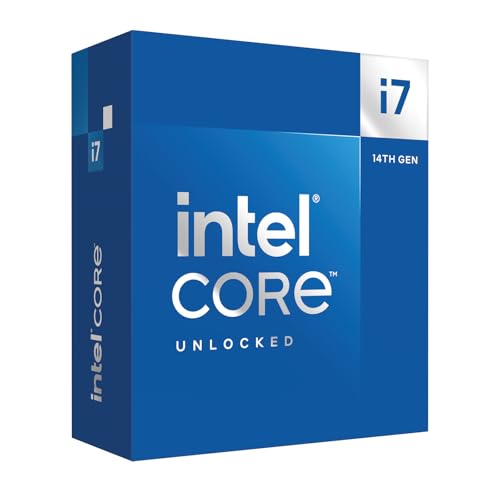
- 20 cores and 28 threads for multitasking
- Up to 5.6 GHz boost with integrated graphics
- Supports DDR4 and DDR5 builds
Best For: Balanced Intel game development and gaming setups
Cache-Heavy AM5 Value Choice

- 8 cores and 16 threads on AM5
- 104 MB cache for fast access
- Includes Radeon graphics controller
Best For: AM5 game dev builds that prioritize cache and efficiency
Premium Creator-Gaming Flagship
Ryzen 9 9950X for top-end builds

- 16 cores / 32 threads for heavy multitasking
- 5.7 GHz max boost with unlocked overclocking
- 80 MB cache, DDR5-5600, AM5 platform
Best For: High-end game development, creation, and gaming
Fastest Gaming Pick
Ryzen 7 9800X3D for AM5 gaming rigs
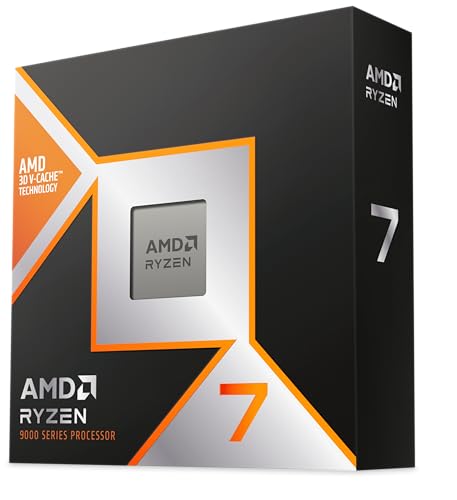
- 8 cores / 16 threads with Zen 5
- 96MB L3 cache and up to 5.2GHz
- Gaming-first chip with better efficiency
Best For: Gaming-focused development builds on AM5
Best Value Gaming Option

- 6 cores / 12 threads on Zen 5
- 5.4 GHz max boost and unlocked OC
- 65W chip with 38 MB cache
Best For: Lean AM5 builds for gaming and lighter development
Flagship AM5 performance
Ryzen 9 9900X 12-Core Unlocked Desktop Processor
- 12 cores / 24 threads for development multitasking
- 5.6 GHz max boost with unlocked overclocking
- 76 MB cache and DDR5-5600 support
Best For: High-end game development and gaming on AM5
Balanced Zen 5 choice
Ryzen 7 9700X 8-Core Unlocked Desktop Processor

- 8 cores / 16 threads for game dev workflows
- 5.5 GHz max boost with unlocked overclocking
- 40 MB cache and DDR5-5600 support
Best For: Fast AM5 builds for game development and gaming
Value Zen 4 performer
Ryzen 7 7700X 8-Core Unlocked Desktop Processor
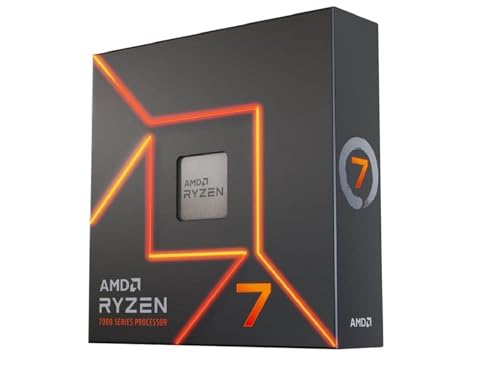
- 8 cores / 16 threads for everyday dev work
- 5.4 GHz max boost with unlocked overclocking
- 80 MB cache and DDR5-5200 support
Best For: AM5 builders wanting a proven game dev CPU
Elite Hybrid Desktop Power – Intel Core Ultra 9 285K
Intel® Core™ Ultra 9 Processor 285K 24 cores (8 P-cores + 16 E-cores) up to 5.7 GHz
Check Price On AmazonIf you’re shopping for a processor for game development, the Intel Core Ultra 9 285K is built for heavy multitasking, fast compilation, and modern desktop workflows. Its 24-core hybrid layout pairs 8 P-cores with 16 E-cores, and the unlocked design can reach up to 5.7 GHz for demanding tasks.
Best For: Developers who want a high-end Intel desktop CPU for build-heavy game projects, multitasking, and creator work.
Pros:
- 24 cores and 24 threads for demanding parallel workloads
- Up to 5.7 GHz unlocked boost for responsive performance
- Integrated Intel Graphics included for basic display support
- Supports PCIe 5.0 and 4.0 on Intel 800-series chipset boards
Cons:
- No thermal solution included
- Requires a compatible Intel 800-series chipset motherboard
- 125-watt processor, so cooling matters
This is a strong choice if your game development work leans on lots of simultaneous tasks and you want a modern Intel platform with high headroom. It is best paired with the right board and cooling setup to get the most from it.
3D Cache Gaming Dev Pick – AMD Ryzen 7 9850X3D
The AMD Ryzen 7 9850X3D is a practical processor for game development if you want a fast 8-core AM5 chip with a very large cache. With 104 MB of installed cache and 16 threads, it is aimed at responsive desktop performance where compile times, testing, and daily tooling all matter.
Best For: Developers who want an AM5 processor with a large cache for smooth, responsive desktop work.
Pros:
- 8 cores and 16 threads for balanced development workloads
- 104 MB cache for fast access to frequently used data
- Socket AM5 platform for modern desktop builds
- 4.7 GHz processor speed with 140-watt power rating
Cons:
- Higher 140-watt wattage means stronger cooling is important
- No integrated graphics are listed in the supplied details
- Only 8 cores, so it is less parallel-heavy than flagship chips
For game development, this CPU stands out when you want strong responsiveness and a cache-rich design on AMD’s current desktop platform. It is a solid middle-ground option for dev machines that also need gaming-oriented performance.
Balanced Intel Creator-Game Chip – Intel Core i7-14700K
The Intel Core i7-14700K is a well-rounded processor for game development when you want strong core count without jumping to the highest-end platform. Its 20-core, 28-thread hybrid design is paired with up to 5.6 GHz boost speeds, making it suitable for compiling code, running editors, and keeping multiple tools open at once.
Best For: Developers who want a capable Intel CPU for everyday game dev work and strong gaming performance.
Pros:
- 20 cores and 28 threads for multitasking and parallel workloads
- Up to 5.6 GHz with Turbo Boost Max Technology 3.0
- Integrated Intel UHD Graphics 770 included
- Supports DDR4 and DDR5 platforms
Cons:
- May require a BIOS update on some 600-series motherboards
- 125-watt processor, so cooling should be planned carefully
- Platform compatibility depends on the motherboard series
This CPU makes sense if you want a flexible Intel option for both development and gameplay testing. The DDR4/DDR5 support can also help if you’re upgrading an existing system instead of building from scratch.
Cache-Heavy AM5 Value Choice – AMD Ryzen 7 7800X3D
If you need a processor for game development and want strong responsiveness from an AM5 desktop CPU, the AMD Ryzen 7 7800X3D is easy to place on a short list. It combines 8 cores, 16 threads, and 104 MB of cache, which can be useful for fast project navigation, testing, and everyday multitasking.
Best For: Developers who want an efficient AM5 CPU with a large cache for game work and general desktop use.
Pros:
- 8 cores and 16 threads for dependable multitasking
- 104 MB cache for improved hit rate and quick access
- Socket AM5 platform with modern desktop compatibility
- Includes AMD Radeon Graphics controller
Cons:
- 4.2 GHz clock speed is lower than some higher-end rivals
- Wattage is listed at 120 watts, so cooling still matters
- Best suited to 8-core workloads rather than extreme parallel tasks
This is a sensible pick for builders who value cache size and stable AM5 support over maximum core count. For many game dev machines, that balance can be a very practical fit.
Premium Creator-Gaming Flagship – Ryzen 9 9950X for top-end builds
If you want a processor for game development that can also handle serious gaming and creator workloads, the Ryzen 9 9950X is built for high-end AM5 systems. Its 16 cores, 32 threads, and Zen 5 architecture are aimed at heavy multitasking, while the 5.7 GHz max boost and 80 MB cache help it stay fast in demanding apps and popular games.
Best For: Developers, creators, and gamers who want a top-tier AM5 CPU for demanding multitasking and performance headroom.
Pros:
- 16 cores and 32 threads for demanding development and content workloads
- Up to 5.7 GHz max boost with unlocked overclocking support
- 80 MB cache and DDR5-5600 support for a fast modern platform
- Can deliver 100+ FPS in the world’s most popular games
Cons:
- Cooler is not included
- Liquid cooling is recommended
- 170W wattage means it needs solid thermal planning
If your priority is maximum CPU headroom for building, testing, and playing on the same machine, this is the strongest option in the group. It makes the most sense for users who want a premium processor for game development and don’t mind pairing it with the right cooling and motherboard.
Fastest Gaming Pick – Ryzen 7 9800X3D for AM5 gaming rigs
For a processor for game development where gaming performance is the main goal, the Ryzen 7 9800X3D stands out as a focused AM5 option. It combines 8 cores and 16 threads with Zen 5 technology and Next Gen 3D V-Cache, giving it the kind of gaming-first design that can also support everyday development work.
Best For: Game developers who want a gaming-first CPU with strong efficiency and a proven Socket AM5 setup.
Pros:
- Claimed as the world’s fastest gaming processor
- 8 cores and 16 threads for solid all-around performance
- 96MB L3 cache and up to 5.2GHz clock speeds
- Better thermal performance and power efficiency than the previous generation
Cons:
- Cooler is not included
- Less core count than the Ryzen 9 options here
- Best suited to gaming-focused builds rather than maximum creator throughput
This is the pick to make when you care most about gaming performance, cache size, and efficient operation on AM5. For game development teams or solo builders who also spend plenty of time testing builds in-game, it offers a strong balance without moving into flagship CPU territory.
Best Value Gaming Option – Ryzen 5 9600X for lean builds
If you need a processor for game development without going all the way to a high-end flagship, the Ryzen 5 9600X is the leanest option here. Its 6 cores, 12 threads, Zen 5 architecture, and 5.4 GHz max boost make it a practical choice for smooth gaming and lighter development workloads on the Socket AM5 platform.
Best For: Budget-conscious builders who want modern AM5 performance for gaming and lighter game development tasks.
Pros:
- 6 cores and 12 threads for a balanced entry into AM5
- Up to 5.4 GHz max boost with unlocked overclocking
- 38 MB cache and DDR5-5600 support
- 65W wattage makes it easier to cool than the higher-end chips here
Cons:
- Cooler is not included
- Lower core count than the Ryzen 7 and Ryzen 9 options
- Less suited to very heavy multitasking or large creator workloads
For builders who want modern performance while keeping the platform and power needs more manageable, this CPU makes a lot of sense. It is the most approachable choice in this roundup for a game development PC that still needs strong gaming responsiveness.
Flagship AM5 performance – Ryzen 9 9900X 12-Core Unlocked Desktop Processor
If you want a processor for game development that also leans hard into high-end gaming, the Ryzen 9 9900X is built for speed and headroom. Its 12 cores, 24 threads, Zen 5 architecture, and 5.6 GHz max boost make it a strong fit for workloads that need plenty of CPU throughput while staying on the AM5 platform.
Best For: Developers who want a high-core-count AM5 chip for game engines, multitasking, and top-tier gaming performance.
Pros:
- 12 cores and 24 threads for heavy multitasking and development workloads
- 5.6 GHz max boost with unlocked overclocking support
- 76 MB cache and DDR5-5600 support
- AM5 platform with PCIe 5.0 support on select motherboards
Cons:
- Cooler is not included
- 120W power draw may require careful cooling planning
- Best value depends on whether you need all 12 cores for your workflow
Overall, this is the most capable option here for users who need more than just gaming speed from a processor for game development. It offers strong specs for demanding project work, but it makes the most sense if you are ready to build around a separate cooler and a modern AM5 setup.
Balanced Zen 5 choice – Ryzen 7 9700X 8-Core Unlocked Desktop Processor
The Ryzen 7 9700X is a practical processor for game development if you want strong gaming-oriented performance without stepping all the way up to a 12-core chip. With 8 cores, 16 threads, Zen 5 architecture, and a 5.5 GHz max boost, it gives you plenty of CPU speed for everyday engine work, builds, and multitasking on AM5.
Best For: Developers who want a fast 8-core AM5 processor for game dev and high-FPS gaming.
Pros:
- 8 cores and 16 threads suit common development workloads
- 5.5 GHz max boost and unlocked overclocking support
- 40 MB cache with DDR5-5600 support
- AM5 platform support with PCIe 5.0 on select motherboards
Cons:
- Cooler is not included
- 105W wattage still calls for a capable cooling solution
- Less core capacity than the Ryzen 9 option above
This is the middle-ground pick in the roundup: fast, modern, and easier to justify than a higher-core flagship if your processor for game development needs are serious but not extreme. It should appeal to builders who want strong responsiveness and a balanced AM5 upgrade path.
Value Zen 4 performer – Ryzen 7 7700X 8-Core Unlocked Desktop Processor
The Ryzen 7 7700X remains a solid processor for game development when you want strong 8-core performance on the AM5 platform. It offers 8 cores, 16 threads, a 5.4 GHz max boost, and Zen 4 architecture, which makes it a capable choice for engine work, builds, and high-FPS gaming.
Best For: Builders who want a proven 8-core AM5 CPU for game development and gaming.
Pros:
- 8 cores and 16 threads for a broad range of development tasks
- 5.4 GHz max boost with unlocked overclocking support
- 80 MB cache and DDR5-5200 support
- AM5 platform with PCIe 5.0 support on select 600 Series motherboards
Cons:
- Cooler is not included
- DDR5-5200 support is lower than the newer 9700X and 9900X listings
- Zen 4 is an older architecture than the Zen 5 options in this set
If you are comparing processors for game development and want a capable option without moving to the newest Zen 5 parts, this one still holds up well. It is best viewed as a practical AM5 choice for users who prioritize solid all-around performance and broader platform support.
How We Picked the Best Processor for Game Development
For a Processor for Game Development, we focused on real workflow benefits: high single-core performance for editor responsiveness, enough multi-core throughput for builds and light rendering, and strong platform support for modern memory and storage. We also looked for chips that make sense for both hobbyist and professional development setups.
Quick Comparison: What Matters Most
If you spend most of your time inside Unreal Engine, Unity, Visual Studio, Rider, Blender, or similar tools, the best CPU is usually not just the fastest one on paper. High clocks help with day-to-day editing, while more cores help when compiling large projects, baking assets, or running multiple apps at once. Cache-heavy chips can also improve frame pacing when you are testing builds locally.
Key Buying Factors for a Processor for Game Development
Core Count Vs. Clock Speed
More cores generally help with parallel tasks like compiling code, light asset processing, and background tooling. Higher boost clocks are still important because editors and many game-dev tasks remain sensitive to single-thread speed. The best balance depends on whether your workflow leans more toward coding, content creation, or build-heavy production.
Cache and Responsiveness
Large cache can help in certain game development workloads, especially when testing code, asset-heavy scenes, or CPU-sensitive game logic. It is not the only factor, but it can make a noticeable difference in select engines and workloads.
Platform and Upgrade Path
Check motherboard compatibility, DDR5 support, cooling requirements, and future upgrade options. A slightly slower CPU on a better long-term platform may be the smarter buy if you plan to expand later.
Integrated Graphics and Troubleshooting
Integrated graphics are not required for every build, but they can be useful for diagnostics, backup display output, and minimal test systems. If you use a discrete GPU, you may value CPU performance more than onboard graphics.
Who Should Buy Which Processor for Game Development?
Choose a high-core flagship if you compile often, run heavy multitasking workloads, or do development plus content creation. Midrange 8-core and 12-core options are often the sweet spot for most indie and enthusiast developers because they offer excellent speed without overpaying. Budget-conscious buyers should look for efficient 6-core or strong older-generation 8-core chips if they mainly code, test, and work in smaller projects. For a Processor for Game Development, the best choice is usually the one that matches your build size, engine, and upgrade plans—not just the highest benchmark score.