
Wi-Fi is convenient, but a wired connection can deliver more consistent performance for gaming, streaming, video calls, and large downloads. The right Ethernet adapter adds dependable network access to laptops, tablets, desktops, and other devices without built-in Ethernet ports.
This roundup compares 10 USB, USB-C, and PCIe options, including standard gigabit and faster 2.5Gbps or 5Gbps models. Use the buying guide below to match the adapter type, speed, compatibility, and features to your setup.
Best 10 Ethernet Adapters with Gigabit Speeds Picks for 2026
Fastest USB-C Upgrade
Cable Matters 2.5Gb Ethernet Adapter
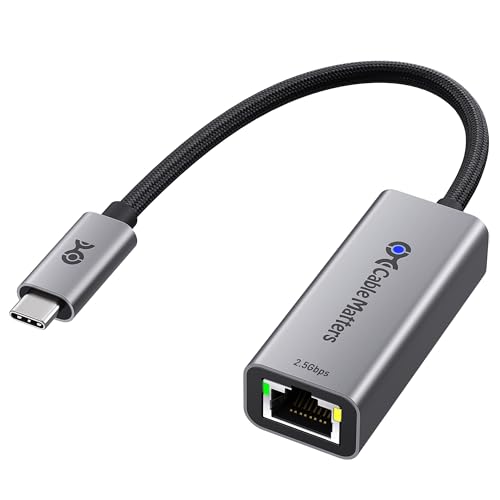
- Up to 2.5Gbps wired networking
- USB-C and Thunderbolt compatibility
- Durable aluminum and braided design
Best For: USB-C users upgrading to 2.5Gb Ethernet
Portable Gigabit Pick
TP-Link UE306 USB Ethernet Adapter

- Up to 1000Mbps over USB 3.0
- Supports Nintendo Switch
- Compact foldable design
Best For: USB-A devices and Nintendo Switch gaming
Desktop 2.5G Upgrade
TP-Link TX201 PCIe Network Card

- Up to 2.5Gbps over PCIe
- Supports 1Gbps and 100Mbps networks
- Includes low-profile bracket
Best For: Desktop PCs with a compatible PCIe slot
Cool USB-C Performer

- Up to 2.5Gbps wired speed
- Low-power RTL8156BG chipset
- Aluminum body with status lights
Best For: USB-C devices and 2.5Gb NAS networking
Best Value USB-A Pick
TRENDnet TU3-ETG Gigabit Adapter

- USB 3.0 supports up to 1Gbps networking
- Works with USB 3.0, 2.0, and 1.1 ports
- Two-year manufacturer warranty
Best For: Adding Gigabit Ethernet to USB-A Windows or Mac computers
Best Portable USB-C Pick
Anker PowerExpand Gigabit Adapter
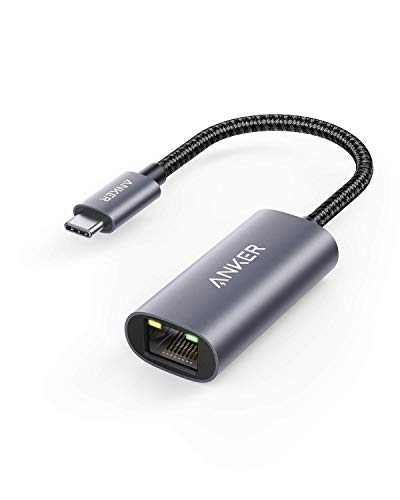
- Up to 1Gbps wired connection
- Compact, lightweight USB-C design
- Aluminum shell with braided cable
Best For: Traveling with a USB-C laptop or tablet
Best Multi-Gig Upgrade
UGREEN 2.5Gb USB Ethernet Adapter

- Supports speeds up to 2.5Gbps
- Designed for stable, lower-power operation
- Durable aluminum housing with status lights
Best For: Upgrading compatible computers to 2.5Gbps networking
Best 5Gbps Upgrade
Cable Matters USB-C 5Gb Ethernet Adapter

- Up to 5Gbps network speed
- Aluminum housing with braided cable
- Supports USB-C and Thunderbolt devices
Best For: High-speed transfers, streaming, and gaming on newer USB-C devices
Best USB-C Gigabit Value

- Up to 1000Mbps wired networking
- Plug-and-play on several major systems
- Compact aluminum design with LED status indicator
Best For: Everyday wired connectivity for USB-C laptops, tablets, and handhelds
Best USB-A Pick
UGREEN USB 3.0 Gigabit Ethernet Adapter

- Up to 1000Mbps over USB 3.0
- Works with Nintendo Switch and Switch OLED
- Compact design with 24-month warranty service
Best For: USB-A computers, TV boxes, and Nintendo Switch systems
Fastest USB-C Upgrade – Cable Matters 2.5Gb Ethernet Adapter
If you need ethernet adapters with gigabit speeds and more headroom, this Cable Matters USB-C model supports up to 2.5Gbps. It is a practical fit for compatible laptops, desktops, NAS devices, and high-bandwidth activities such as 4K/8K streaming, gaming, and large file transfers.
Best For: USB-C and Thunderbolt users who want a 2.5Gbps wired connection.
Pros:
- Supports up to 2.5Gbps Ethernet speeds.
- Compatible with USB-C and Thunderbolt 3/4/5 devices.
- Aluminum housing and braided cable support durability and heat dissipation.
- Works with Windows, macOS, Linux, Chrome OS, and iOS.
Cons:
- Does not support Android devices.
- Some systems may benefit from installing the latest Realtek driver.
This is a strong choice when your network equipment supports 2.5Gb Ethernet and your device has USB-C or Thunderbolt. It also remains useful with standard Gigabit networks, though maximum speed depends on the rest of your setup.
Portable Gigabit Pick – TP-Link UE306 USB Ethernet Adapter
The TP-Link UE306 is a compact option for adding ethernet adapters with gigabit speeds to devices that have USB-A but no built-in RJ45 port. Its USB 3.0 connection supports up to 1000Mbps and is designed for stable streaming, file transfers, gaming, and video calls.
Best For: Nintendo Switch, Windows, Linux, and USB-A laptop users who want simple Gigabit networking.
Pros:
- Supports 10/100/1000Mbps wired connections.
- Works with Nintendo Switch and multiple Windows and Linux versions.
- Plug-and-play operation is available on supported systems.
- Foldable connector and compact size make it travel-friendly.
Cons:
- Uses USB-A rather than USB-C.
- Maximum data rate is 1Gbps.
Choose this adapter when compatibility and portability matter more than multi-gigabit performance. The Nintendo Switch support is a particular advantage for gamers who want a steadier wired connection than Wi-Fi.
Desktop 2.5G Upgrade – TP-Link TX201 PCIe Network Card
For a desktop computer, the TP-Link TX201 is a direct way to add ethernet adapters with gigabit speeds and move beyond standard Gigabit networking. Its PCIe interface supports up to 2.5Gbps, while automatic negotiation also covers 1Gbps and 100Mbps connections.
Best For: Desktop builders, gamers, and home-network users with a compatible PCIe slot.
Pros:
- Supports up to 2.5Gbps Ethernet.
- Backward compatible with 1Gbps and 100Mbps networks.
- QoS is designed to prioritize performance for PC gaming.
- Includes standard and low-profile brackets plus Wake on LAN support.
Cons:
- Designed for desktop computers with an available PCIe slot.
- It is an internal card rather than a portable adapter.
The TX201 makes sense when you want a permanent, high-speed wired connection inside a desktop. Check your case clearance and PCIe availability before buying, especially for a mini tower that may require the included low-profile bracket.
Cool USB-C Performer – UGREEN 2.5G Ethernet Adapter
UGREEN’s USB-C adapter adds a 2.5Gbps wired port to modern laptops and other compatible devices. Among ethernet adapters with gigabit speeds, it is suited to users who want a straightforward upgrade for NAS transfers, 4K/8K streaming, gaming, or situations where Wi-Fi is not enough.
Best For: USB-C laptop, tablet, and smartphone users moving from Gigabit to 2.5Gb Ethernet.
Pros:
- Supports network speeds up to 2.5Gbps.
- RTL8156BG chipset is designed for low-power, stable operation.
- Aluminum construction and reinforced ports support regular use.
- Compatible with USB-C and Thunderbolt 3/4 devices, including select MacBook, Dell, iPad, and smartphone models.
Cons:
- Full 2.5Gbps performance requires compatible network equipment.
- Operating-system compatibility details vary by device, so users should verify their setup.
This adapter is a sensible bridge between older Gigabit equipment and newer 2.5Gb networking. Its compact aluminum build and status lights add convenience, while the USB-C connection suits devices that omit a built-in Ethernet port.
Best Value USB-A Pick – TRENDnet TU3-ETG Gigabit Adapter
If you need ethernet adapters with gigabit speeds for a desktop, notebook, or Mac with USB-A, the TRENDnet TU3-ETG is a practical choice. Its USB 3.0 connection supports up to 1Gbps networking and works with older USB 2.0 and 1.1 ports, though USB 3.0 is the better match for maximum performance.
Best For: Windows and Mac users who want to add or replace an RJ45 Gigabit Ethernet port with a compact, USB-powered adapter.
Pros:
- Supports Gigabit Ethernet and Full Duplex 2Gbps transfer speeds.
- Compatible with USB 3.0, USB 2.0, and USB 1.1 ports.
- Includes a flexible attached 5-inch cable for easier installation.
- Backed by a two-year TRENDnet manufacturer warranty.
Cons:
- Uses USB-A rather than USB-C.
- Its maximum network speed is 1Gbps.
The TU3-ETG stands out for broad USB compatibility, straightforward setup, and included warranty coverage. Choose it when dependable Gigabit connectivity matters more than multi-gigabit networking.
Best Portable USB-C Pick – Anker PowerExpand Gigabit Adapter
The Anker PowerExpand is one of the most travel-friendly ethernet adapters with gigabit speeds for USB-C devices. It connects to compatible USB-C 3.0 hardware and provides a stable wired connection of up to 1Gbps in a small, lightweight design.
Best For: USB-C laptop and tablet users who want a compact Gigabit Ethernet adapter for travel or everyday wired networking.
Pros:
- Provides connection speeds of up to 1Gbps.
- Compact design weighs about as much as a AA battery.
- Aluminum housing and braided-nylon cable offer a premium feel.
- Includes an 18-month warranty and customer service.
Cons:
- Designed for USB-C devices, so it is not the right fit for USB-A-only computers.
- Offers one RJ45 port and does not function as a multiport hub.
With its low weight, durable-looking materials, and simple one-port design, the Anker adapter is easy to keep in a laptop bag. It is a strong match for users who need reliable Gigabit Ethernet without extra bulk.
Best Multi-Gig Upgrade – UGREEN 2.5Gb USB Ethernet Adapter
For shoppers considering ethernet adapters with gigabit speeds but wanting room to move beyond 1Gbps, the UGREEN adapter supports up to 2.5Gbps. Pair it with a compatible 2.5Gbps router, switch, and network plan to take advantage of the higher throughput.
Best For: Mac, Windows, Linux, or ChromeOS users upgrading a USB-equipped computer for 2.5Gbps networking, NAS transfers, streaming, or gaming.
Pros:
- Supports network speeds up to 2.5Gbps.
- Can help upgrade a 1Gbps setup when paired with 2.5Gbps networking equipment.
- RTL8156BG chipset is designed for stable, lower-power operation.
- Aluminum construction, reinforced design, and indicator lights add practical durability and visibility.
Cons:
- Higher speeds require compatible 2.5Gbps routers, switches, and devices.
- Not compatible with all Nintendo Switch, TV, Synology NAS, or Wii devices.
- Uses USB 3.0 Type-A rather than USB-C.
The UGREEN is the most capable option here for users with a multi-gigabit network. It also works as a conventional Gigabit adapter, but its value is greatest when your existing equipment can support 2.5Gbps speeds.
Best 5Gbps Upgrade – Cable Matters USB-C 5Gb Ethernet Adapter
For shoppers comparing ethernet adapters with gigabit speeds, this Cable Matters model is the performance-focused option. Its USB-C connection supports up to 5Gbps for demanding uses such as 4K/8K streaming, gaming, and large file transfers, provided the host port and network support the higher speed.
Best For: Users with USB-C, USB4, or Thunderbolt devices who want speeds beyond standard gigabit Ethernet.
Pros:
- Supports network speeds up to 5Gbps.
- Works with Windows, macOS, Linux, Chrome OS, and iOS devices.
- Rugged aluminum housing and braided cable support durability and heat dissipation.
- Compatible with USB-C, USB4, and Thunderbolt 3/4/5 devices.
Cons:
- Full 5Gbps performance requires a USB 3.2 Gen 2 or faster port.
- Older Windows and some Linux systems may require a Realtek driver.
- Not compatible with Android devices.
This is the strongest choice here for high-throughput wired networking, but buyers should confirm their computer, router, and operating system can support its top speed.
Best USB-C Gigabit Value – UGREEN USB-C Ethernet Adapter
This UGREEN adapter is a practical pick for adding wired networking to a USB-C laptop, tablet, phone, or handheld. It delivers up to 1000Mbps and provides a stable alternative when Wi-Fi is unavailable or unreliable, making it a straightforward choice among ethernet adapters with gigabit speeds.
Best For: USB-C users who need a compact, plug-and-play gigabit Ethernet connection for work, streaming, gaming, or downloads.
Pros:
- Supports up to 1000Mbps and is backward compatible with 100/10Mbps networks.
- Driver-free on Windows 11/10/8.1/8, macOS, Chrome OS, and Android.
- Compact aluminum-alloy housing helps with heat dissipation.
- Compatible with USB-C and Thunderbolt 3/4 devices, including Nintendo Switch and Steam Deck.
Cons:
- Windows XP/7/Vista and Linux require drivers.
- Limited to standard gigabit speeds rather than 5Gbps networking.
With broad device support, status LEDs, and a portable design, this is a well-rounded option for everyday USB-C gigabit connectivity.
Best USB-A Pick – UGREEN USB 3.0 Gigabit Ethernet Adapter
For computers and game systems with a USB-A port, this UGREEN adapter provides a simple route to 1000Mbps wired networking. It is designed for stable online gaming, HD streaming, uploads, and downloads, while its compact form makes it convenient for travel.
Best For: USB-A laptops, desktops, TV boxes, and Nintendo Switch systems that need a reliable gigabit Ethernet connection.
Pros:
- Delivers up to 1000Mbps over USB 3.0.
- Plug-and-play support for Windows, macOS, Chrome OS, and Nintendo Switch.
- Compatible with Nintendo Switch and Switch OLED for smoother online play.
- Compact and portable design with a 24-month UGREEN warranty service.
Cons:
- Designed for USB-A ports rather than USB-C connections.
- Not intended for speeds above 1Gbps.
- Linux compatibility is listed, but the supplied notes do not specify driver-free setup for Linux.
This model is a sensible USB-A alternative when built-in Ethernet is missing or unreliable, especially for Switch users and older laptops that still use standard USB ports.
How We Picked These Ethernet Adapters with Gigabit Speeds
We selected adapters based on connection type, advertised network speed, host-interface performance, compatibility, installation requirements, portability, and practical use cases. The list includes USB-A and USB-C adapters for laptops and accessories, plus a PCIe network card for desktop upgrades. Several models support speeds above 1Gbps, but faster performance depends on your router, switch, cabling, operating system, and internet or local-network service.
Plug-and-play designs are emphasized for everyday users, while PCIe hardware is included for buyers who want a permanent internal connection. We also considered compact construction and aluminum housings where portability or heat management may matter.
Quick Comparison
- Best for maximum speed: Choose a 2.5Gbps or 5Gbps adapter if your network equipment and computer port can support it.
- Best for general use: A 1Gbps USB 3.0 or USB-C adapter is sufficient for most broadband plans, streaming, work, and gaming.
- Best for desktops: A PCIe network card provides an internal, low-clutter upgrade and is suitable for systems with an available expansion slot.
- Best for travel: Compact USB-C or USB-A adapters are easy to carry and connect when hotel, office, or classroom Wi-Fi is unreliable.
Key Buying Factors for Ethernet Adapters with Gigabit Speeds
Speed and Port Standard
A gigabit adapter supports up to 1,000Mbps under ideal conditions. A 2.5Gbps or 5Gbps model can be a better long-term choice for fast local transfers, NAS access, or multi-gig internet, but it will not make a slower network faster. Confirm that the adapter uses Gigabit Ethernet or a multi-gig standard rather than relying only on a USB-C connector.
USB or PCIe Connection
USB adapters are the simplest choice for laptops and portable systems. USB 3.0 or newer is generally preferable for gigabit networking, while a USB-C model must also be connected to a suitable high-speed port. PCIe cards require opening a desktop case and an available compatible slot, but they offer a clean permanent installation.
Compatibility and Drivers
Check support for your operating system before buying. Most plug-and-play models work automatically on common versions of Windows, macOS, and Linux, but some systems may require a driver. If you plan to use an adapter with a Nintendo Switch or another specialized device, verify that the product specifically supports it.
Cables, Heat, and Reliability
Use Cat5e or better cabling for gigabit connections, and higher-rated cable where required by a multi-gig setup. Aluminum housings can help with durability and heat dissipation, while a short integrated cable reduces desk clutter. For uninterrupted work or gaming, prioritize stable drivers and a reputable warranty over extras you will not use.
Who Should Buy Which Ethernet Adapters with Gigabit Speeds?
Laptop owners: Choose a compact USB-C adapter if your computer lacks Ethernet and has a compatible USB-C port. Select USB-A when that is the available high-speed connection.
Gamers and streamers: A wired gigabit connection is usually enough for stable online play and streaming. Consider 2.5Gbps or 5Gbps only when the rest of your network supports those speeds.
Desktop users: Pick the PCIe card for a permanent internal upgrade; use a USB adapter when you need a quick, flexible connection without opening the case.
Travelers and remote workers: A small plug-and-play gigabit adapter offers a practical backup for congested or unreliable Wi-Fi. Buyers with multi-gig home networks should choose a faster adapter and confirm every component in the connection path supports its rated speed.