
Wi-Fi is convenient, but a wired connection can deliver lower latency, steadier speeds, and fewer dropouts. The right Ethernet adapter can add reliable networking to a Linux laptop, desktop, mini PC, or Chromebook without installing an internal card.
This roundup compares 10 USB Ethernet adapters across Gigabit and multi-gigabit speeds, USB-A and USB-C connectivity, portability, and Linux-friendly plug-and-play use. Check your computer’s ports, kernel support, and network hardware before choosing.
Best 10 Ethernet Adapters for Linux Picks for 2026
Best Overall

- USB 3.0 Gigabit Ethernet up to 1000Mbps
- Driver-free Linux support listed
- Foldable, portable design
Best For: Linux laptops and PCs with USB-A ports
Best Built
uni USB 3.0 Gigabit Ethernet Adapter
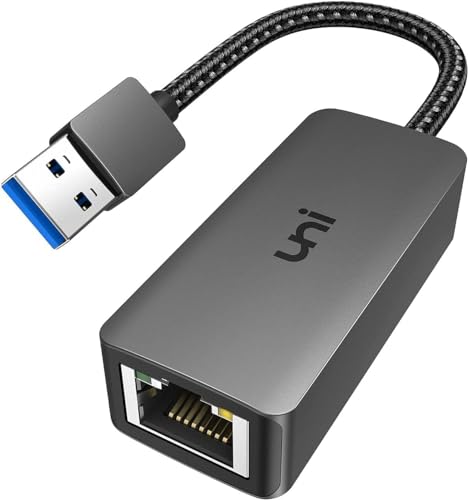
- USB 3.0 speeds up to 1000Mbps
- Braided cable and aluminum housing
- Supports Wake-on-LAN and IPv4/IPv6
Best For: Durability-focused Linux users with USB-A devices
Best for Switch
UGREEN USB 3.0 Gigabit Adapter

- Gigabit speeds up to 1000Mbps
- Compatible with Linux and Switch OLED
- Compact USB-A design
Best For: Linux users who also connect a Nintendo Switch
Best USB-C Pick
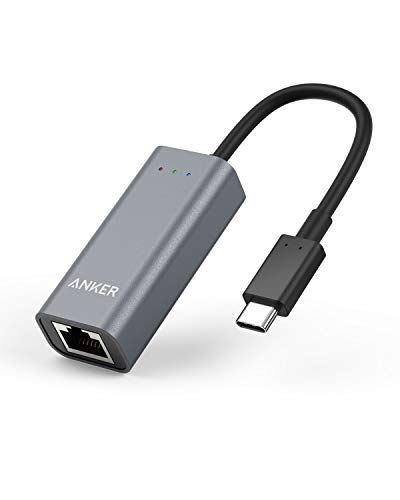
- Up to 1Gbps wired networking
- Compact USB-C design
- Linux compatibility listed
Best For: USB-C Linux laptops and other portable devices
Reliable Gigabit Pick
UGREEN USB to Ethernet Adapter

- Gigabit speeds up to 1000Mbps
- Linux support with driver installation
- Durable aluminum housing
Best For: Linux laptops and desktops needing a sturdy 1Gbps connection
Easy Linux Setup
eqimaimai USB 3.0 Gigabit Adapter

- Advertised driver-free Linux support
- Gigabit speeds with 10/100/1000Mbps compatibility
- Aluminum body with two status indicators
Best For: USB-A Linux laptops and desktops seeking simple setup
High-Speed Upgrade
Cable Matters USB to 2.5Gb Ethernet Adapter

- Up to 2500Mbps wired networking
- Realtek RTL8156BG controller
- Aluminum housing with braided cable
Best For: USB-A Linux systems with 2.5GbE networking
Best Multiport 2.5GbE Hub
Yottamaster 4-in-1 USB-C Ethernet Adapter

- 2.5Gbps Ethernet with 10/100/1000Mbps backward compatibility
- Three USB-A 3.0 ports with up to 5Gbps transfers
- Listed plug and play for Linux and other major operating systems
Best For: Linux laptops needing Ethernet and extra USB-A ports
Best Basic Gigabit Pick
Amazon Basics USB 3.0 Ethernet Adapter
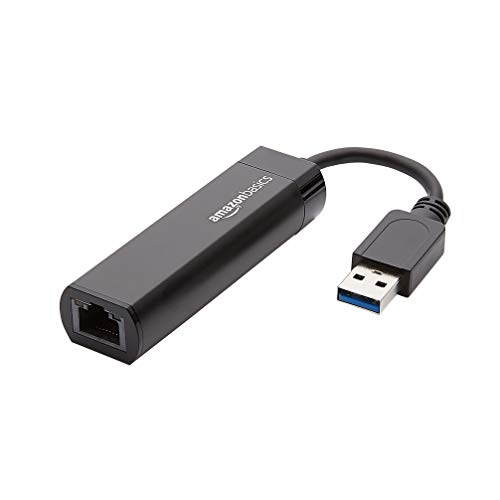
- USB 3.0 connection with up to 1000Mbps Ethernet
- Supports Linux, ChromeOS, macOS, and Windows
- Includes Wake-on-LAN and Energy Efficient Ethernet
Best For: Simple USB-A Gigabit networking for computers and laptops
Best High-Speed USB-A Option
BrosTrend 5Gbps USB-A Ethernet Adapter

- Up to 5Gbps Ethernet with multi-speed backward compatibility
- Listed support for Linux and Wake-on-LAN
- Aluminum housing and braided cable for everyday durability
Best For: High-bandwidth Linux desktops and laptops with USB-A
Best Overall – TP-Link UE300 Gigabit Adapter
The TP-Link UE300 is a practical choice among ethernet adapters for linux when you want a compact USB-A connection with Gigabit Ethernet performance. It supports up to 1000Mbps through USB 3.0, folds for portability, and is listed as driver-free for Linux.
Best For: Linux laptops and PCs that need a portable USB-A Gigabit Ethernet connection.
Pros:
- Supports 10/100/1000Mbps Ethernet over USB 3.0.
- Listed as driver-free for Linux, ChromeOS, Windows, and newer macOS versions.
- Foldable design is convenient for travel and storage.
- Includes a two-year manufacturer warranty and lifetime technical support.
Cons:
- Not compatible with Nintendo Switch, Wii U, or Wii.
- Older macOS versions 10.6–10.8 require a separate driver.
The UE300 combines broad computer compatibility, full Gigabit capability, and a travel-friendly design, making it a strong all-around option for Linux users with USB-A ports.
Best Built – uni USB 3.0 Gigabit Ethernet Adapter
The uni adapter is one of the more feature-focused ethernet adapters for linux, pairing USB 3.0 Gigabit speeds with a braided cable, aluminum housing, and status LED. It is designed for stable wired networking during work, streaming, downloads, and gaming.
Best For: Linux users who value durability, connection-status feedback, and broad USB-A compatibility.
Pros:
- Supports 10/100/1000Mbps and works with USB 3.0, USB 2.0, and USB 1.1.
- Listed as compatible with Linux and supports IPv4/IPv6, Wake-on-LAN, and Energy Efficient Ethernet.
- Nylon-braided cable, aluminum case, and LED indicator add practical durability and usability.
- Includes an 18-month warranty and 24-hour customer service.
Cons:
- USB 2.0 limits network speed to 10/100Mbps.
- Windows 11 requires a driver according to the supplied notes.
- Not recommended for TVs and not compatible with Nintendo Switch.
With its durable construction and useful networking features, the uni model suits users who want more than a basic adapter, provided their Linux device has a USB-A port.
Best for Switch – UGREEN USB 3.0 Gigabit Adapter
The UGREEN USB to Ethernet Adapter stands out among ethernet adapters for linux because it also supports Nintendo Switch and Switch OLED. It offers up to 1000Mbps through USB 3.0, broad USB-A device compatibility, and a compact design for use at home or on the go.
Best For: Linux users who also need a USB-A Ethernet adapter for Nintendo Switch, Switch OLED, or TV boxes.
Pros:
- Provides Gigabit Ethernet speeds up to 1000Mbps.
- Listed as compatible with Linux, Windows, macOS, ChromeOS, Nintendo Switch, and Switch OLED.
- Plug-and-play operation is listed for supported Windows, macOS, and ChromeOS systems.
- Compact design is easy to carry.
Cons:
- Compatibility depends on having a USB-A port.
- The supplied plug-and-play claim does not specifically state driver-free Linux installation.
The UGREEN is a versatile pick for mixed-device households. Its Switch compatibility gives it an advantage over many computer-only adapters, while Linux support and Gigabit networking cover everyday wired connectivity.
Best USB-C Pick – Anker USB-C Gigabit Adapter
The Anker USB-C to Ethernet Adapter is a compact option among ethernet adapters for linux for newer computers and tablets with USB-C connectivity. It provides a wired connection at up to 1Gbps and is small enough to keep in a laptop bag or pocket.
Best For: Linux users with USB-C devices who prioritize a small, simple Gigabit Ethernet adapter.
Pros:
- Supports Ethernet speeds up to 1Gbps.
- Uses a USB-C connection for newer compatible devices.
- Very compact at 2.3 x 1 x 0.7 inches and approximately 1.1 ounces.
- Includes an 18-month warranty and customer service.
Cons:
- Its supplied compatibility information lists Linux and Windows, but not macOS or ChromeOS.
- Designed for USB-C devices, so it is not the right fit for USB-A-only computers without an adapter.
For a Linux laptop or desktop with USB-C, the Anker delivers the essential Gigabit connection in an especially portable package. Confirm your device and operating-system compatibility before buying.
Reliable Gigabit Pick – UGREEN USB to Ethernet Adapter
For shoppers comparing ethernet adapters for linux, the UGREEN USB to Ethernet Adapter offers a straightforward Gigabit connection through USB 3.0. It supports Linux with a required driver installation and uses an aluminum housing for durability and heat dissipation.
Best For: Linux users who want a sturdy 1Gbps adapter for laptops, desktops, or Nintendo Switch-compatible setups.
Pros:
- Supports Gigabit Ethernet speeds up to 1000Mbps.
- Compatible with Linux, Windows, macOS, ChromeOS, and Android.
- Aluminum shell and reinforced cable connection improve durability.
- Includes a 24-month UGREEN warranty service.
Cons:
- Linux requires driver installation.
- Uses a USB 3.0 connection rather than USB-C.
This is a practical choice when dependable Gigabit performance and a durable build matter more than higher-than-Gigabit speeds. Confirm the included Linux driver instructions before setup.
Easy Linux Setup – eqimaimai USB 3.0 Gigabit Adapter
Among ethernet adapters for linux, this USB 3.0 model stands out for its stated driver-free Linux support. It connects USB-A devices to wired networks at up to 1Gbps and includes status indicators to help diagnose connection issues.
Best For: Linux users with USB-A laptops or desktops who want a compact, plug-and-play Gigabit adapter.
Pros:
- Supports 10/100/1000Mbps Ethernet networks.
- Advertised as driver-free for Linux and several other operating systems.
- Compatible with USB-A devices, including many laptops, desktops, and Nintendo Switch systems.
- Aluminum shell and two indicators support durability and status monitoring.
Cons:
- USB-A only, so it does not directly fit USB-C-only devices.
- Reaching 1Gbps requires a suitable CAT6-or-better Ethernet cable and a fully inserted USB-A connection.
- The listed compatibility details specify Ubuntu 22.04 as the minimum Linux version.
This adapter is appealing for users who prioritize simple Linux installation and broad USB-A compatibility. Check your port type and Linux version before ordering.
High-Speed Upgrade – Cable Matters USB to 2.5Gb Ethernet Adapter
If your network and Linux system support faster-than-Gigabit connections, the Cable Matters USB to 2.5Gb Ethernet Adapter is the performance-focused option here. Its Realtek RTL8156BG controller supports up to 2500Mbps, while the manufacturer recommends the latest driver for best results on some Linux kernels.
Best For: Linux laptop, desktop, and mini PC users with USB-A ports who need 2.5GbE for fast transfers, streaming, or low-latency networking.
Pros:
- Supports network speeds up to 2500Mbps and is backward compatible with 10/100/1000Mbps networks.
- Uses the Realtek RTL8156BG controller for stable 2.5GbE performance.
- Compatible with many Linux, Windows, macOS, and ChromeOS systems.
- Aluminum housing and braided cable support heat management and everyday durability.
Cons:
- Supports USB-A host devices only.
- The latest Realtek driver is recommended for best speed and stability, especially with older Linux kernels.
- Not compatible with Nintendo Switch, Nintendo Wii, or TV devices.
This is the strongest pick for Linux users with a 2.5GbE network and a USB-A port. For ordinary Gigabit service, a less expensive 1Gbps adapter may be sufficient.
Best Multiport 2.5GbE Hub – Yottamaster 4-in-1 USB-C Ethernet Adapter
If you need ethernet adapters for linux that also expand connectivity, this Yottamaster combines a 2.5Gbps Ethernet port with three USB-A 3.0 ports. Its USB-C connection, aluminum housing, and listed Linux support make it a practical option for compatible laptops and tablets.
Best For: Linux users who want faster-than-Gigabit wired networking plus extra USB-A ports.
Pros:
- Supports Ethernet speeds up to 2.5Gbps and works with 1000/100/10Mbps networks.
- Adds three USB-A 3.0 ports with transfer speeds up to 5Gbps.
- Listed as plug and play for Linux, Windows, macOS, and Chrome OS.
- Aluminum construction is designed to improve heat dissipation.
Cons:
- Requires a USB-C port on the host device.
- It is not recommended for TVs because the TV USB port does not support LAN.
- Full 2.5Gbps performance depends on compatible network hardware.
This is a versatile choice when a Linux laptop needs both wired networking and additional USB ports. Its 2.5Gbps ceiling offers more headroom than standard Gigabit, while the compact aluminum design suits mobile use.
Best Basic Gigabit Pick – Amazon Basics USB 3.0 Ethernet Adapter
For straightforward ethernet adapters for linux, this Amazon Basics USB 3.0 model provides a wired Gigabit connection through a USB-A port. It supports up to 1000Mbps and includes features such as Wake-on-LAN and Energy Efficient Ethernet.
Best For: Computer and laptop users who need a simple USB-A Gigabit Ethernet connection.
Pros:
- Provides up to 1000Mbps Gigabit Ethernet over USB 3.0.
- Supports Linux, ChromeOS, macOS, and Windows according to the supplied details.
- Includes Wake-on-LAN and IEEE 802.3az Energy Efficient Ethernet support.
- Checksum offload can help reduce CPU loading.
Cons:
- Uses USB-A rather than USB-C.
- Listed compatibility details specify Windows 8.1 or higher and Mac OS, so Linux users should verify their setup.
- Does not support Smart TVs or gaming consoles such as Nintendo Switch.
This adapter is a sensible conventional choice when Gigabit speeds are sufficient and the host computer has USB-A. It avoids the added ports and higher speed tiers of newer adapters, keeping the setup focused on basic wired networking.
Best High-Speed USB-A Option – BrosTrend 5Gbps USB-A Ethernet Adapter
Among ethernet adapters for linux, the BrosTrend model stands out for its 5Gbps Ethernet target and USB-A compatibility. It is designed for NAS transfers, backups, gaming, and other demanding wired tasks, with support for Linux and Wake-on-LAN.
Best For: Linux desktops, workstations, and laptops with USB-A that need high-speed networking for NAS or large-file work.
Pros:
- Supports Ethernet speeds up to 5Gbps and is backward compatible with 2.5Gbps, 1Gbps, and 100Mbps networks.
- Lists compatibility with Linux, Windows 10/11, macOS 14.5+, and ChromeOS.
- Supports Wake-on-LAN for remote access and device management.
- Aluminum housing and a braided cable are designed for durability and heat dissipation.
Cons:
- Full 5Gbps performance requires a 10Gbps USB-A port, suitable cabling, and compatible network hardware.
- On a 5Gbps USB-A port, maximum speeds may be limited to approximately 3.5Gbps.
- Not compatible with Nintendo Switch, PlayStation, Xbox, or Smart TVs.
This is the strongest performance-oriented option in the group for Linux systems with USB-A. Before buying, confirm the Linux kernel and driver requirements and check that the rest of the network supports the desired speed.
How We Picked These Ethernet Adapters for Linux
We focused on adapters that offer practical Linux compatibility, common USB standards, RJ45 Ethernet connectivity, and clear speed ratings. The selection includes compact Gigabit models for everyday use, USB-C hubs for modern laptops, and faster 2.5GbE and 5GbE adapters for compatible networks.
Compatibility claims can vary by chipset, kernel version, and distribution. A genuinely plug-and-play experience depends on whether Linux includes a suitable driver. Before buying, check the manufacturer’s chipset information, recent user reports for your distribution, and whether the adapter requires a driver download.
Quick Comparison
| Best For | Recommended Type | Typical Speed | Connection |
|---|---|---|---|
| Basic wired networking | Compact Gigabit adapter | 1Gbps | USB-A or USB-C |
| Modern ultrabooks | USB-C Ethernet adapter | 1Gbps to 2.5Gbps | USB-C |
| Faster local transfers | Multi-gigabit adapter | 2.5Gbps to 5Gbps | USB-A or USB-C |
| Extra connectivity | USB-C Ethernet hub | Up to 2.5Gbps | USB-C |
Key Buying Factors for Ethernet Adapters for Linux
Chipset and Linux Support
Linux support is more important than the speed printed on the box. Realtek-based adapters are common, but support can depend on the specific controller and kernel. Prefer products with documented chipsets, current driver information, or strong reports from users running your distribution.
USB Connector and Bandwidth
Match the adapter to your computer. USB 3.0 is normally sufficient for Gigabit Ethernet, while 2.5GbE and 5GbE adapters benefit from faster USB 3.x bandwidth. USB-C models are convenient for newer laptops, but a USB-A adapter may be more versatile if you use several computers.
Network Speed and Compatibility
A 1Gbps adapter is suitable for most home broadband connections and ordinary file sharing. Choose 2.5GbE or 5GbE only if your router, switch, NAS, cabling, and computer can support the higher rate. Otherwise, the extra cost may not produce a noticeable benefit.
Build, Heat, and Portability
Aluminum housings can help with durability and heat dissipation, while short integrated cables reduce desk clutter. Multi-gigabit adapters may run warmer during sustained transfers, so avoid cramped placement and make sure airflow is not blocked.
Who Should Buy Which Ethernet Adapters for Linux?
Choose a compact Gigabit model if you need stable internet access, troubleshooting, or a wired connection for a Linux laptop. Pick a USB-C model for a newer ultrabook or tablet, and consider a hub if you also need USB-A ports. For NAS transfers, workstation use, or a multi-gigabit home network, select a 2.5GbE or 5GbE adapter—but verify Linux driver support first.