
Fiber internet can deliver blazing speeds, but only if your router can keep up. The right model helps you get faster wireless performance, stronger coverage, and fewer slowdowns from busy devices.
Below, we focus on routers that pair well with fiber plans of different speeds, home sizes, and budgets so you can choose confidently.
Best 10 Wi-Fi Router for Fiber Internet Picks for 2026
Wi‑Fi 7 Multi‑Gig Performer
TP-Link BE6500 WiFi 7 Router (BE400)

- Wi‑Fi 7 with MLO and 4K-QAM
- Dual 2.5Gbps ports for fiber setups
- Covers 2,400 sq. ft. and 90 devices
Best For: Fiber internet homes wanting Wi‑Fi 7 and multi-gig wired ports
Whole-Home Mesh Value
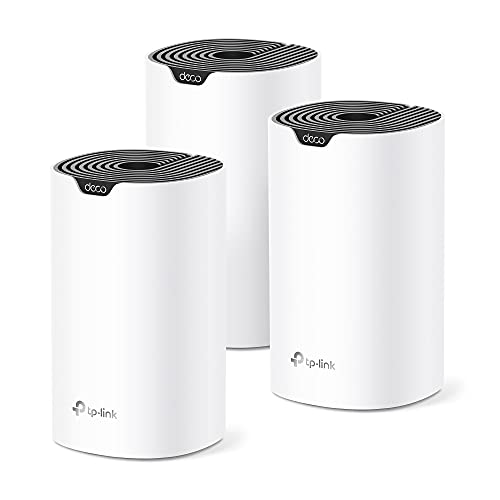
- Mesh coverage up to 5,500 sq. ft.
- Single network name with seamless roaming
- 2 Gigabit ports per unit
Best For: Larger homes needing easy mesh coverage on fiber internet
Compact Wi‑Fi 7 Option

- Wi‑Fi 7 speeds up to 5.0 Gbps
- 2.5 Gig internet port for fiber plans
- Covers 2,250 sq. ft. and 80 devices
Best For: Fiber users wanting a compact Wi‑Fi 7 router with multi-gig input
Balanced Fiber Router Pick

- Wi‑Fi 7 with MLO and 4K-QAM
- 2×2.5G plus 3×1G wired ports
- Covers 2,000 sq. ft. and 60 devices
Best For: Balanced fiber homes needing Wi‑Fi 7 and flexible multi-gig ports
Wi-Fi 7 Performance Pick
NETGEAR Nighthawk BE9300 WiFi 7 Router

- WiFi 7 tri-band speeds up to 9.3Gbps
- 2.5 Gig internet port for fiber plans
- Coverage up to 2,500 sq. ft. for 100 devices
Best For: Fiber households wanting top-end WiFi 7 speed and coverage
Value Wi-Fi 6 Choice
TP-Link Archer AX55 Wi-Fi 6 Router
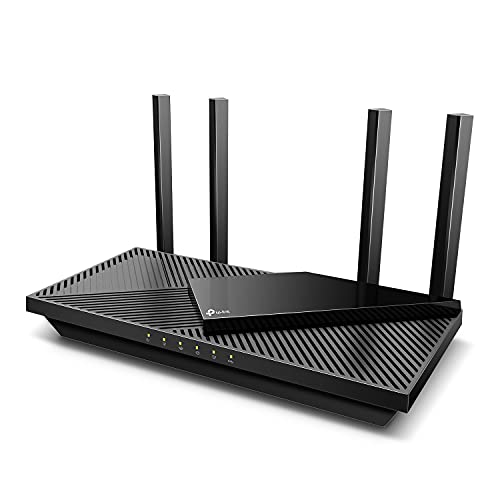
- AX3000 Wi-Fi 6 speeds up to 2976 Mbps
- OFDMA, MU-MIMO, and beamforming for efficiency
- Four antennas plus HomeShield security
Best For: Value-minded fiber users who want dependable Wi-Fi 6 performance
Editor's Choice
TP-Link Archer AXE75 Tri-Band WiFi 6E Router

- Tri-band WiFi 6E with 6 GHz support
- 2.5 Gbps WAN port for faster fiber plans
- HomeShield, VPN, and WPA3 security
Best For: Fiber internet homes that need fast WiFi, low latency, and lots of device support
Best Value
TP-Link Archer AX73 WiFi 6 Router

- Up to 5400 Mbps WiFi 6 speeds
- 6 antennas with beamforming for coverage
- MU-MIMO, OFDMA, USB 3.0, and HomeShield
Best For: Fiber users who want strong coverage and reliable WiFi 6 performance at a simpler price point
Future-Proof Pick
TP-Link Archer BE600 WiFi 7 Router

- WiFi 7 with 10G and 2.5G ports
- Supports up to 120 devices across 2,600 sq. ft.
- VPN, HomeShield, and app/web management
Best For: Multi-gig fiber homes that want the newest wireless standard and the most wired speed headroom
Wi‑Fi 7 Multi‑Gig Performer – TP-Link BE6500 WiFi 7 Router (BE400)
If you want a Wi-Fi router for fiber internet that can actually keep up with a faster plan, the TP-Link BE400 is built around Wi‑Fi 7 and multi-gig wiring. It’s a strong fit for homes that need high wireless capacity, wired 2.5Gbps connectivity, and simple app-based setup.
Best For: Fiber internet users who want Wi‑Fi 7, dual 2.5Gbps ports, and broad whole-home coverage.
Pros:
- Wi‑Fi 7 with MLO, Multi-RUs, and 4K-QAM for modern devices
- Dual 2.5Gbps ports for multi-gig fiber or modem connections
- Covers up to 2,400 sq. ft. and supports up to 90 devices
- HomeShield, VPN support, EasyMesh, and Tether app setup
Cons:
- Dual-band design, so it does not add a 6GHz band
- Best features depend on Wi‑Fi 7-capable devices and multi-gig service
- Advanced capabilities may be more than a basic internet setup needs
This is a flexible choice for a fiber home that wants both speed and network management features. The dual 2.5Gbps ports and broad device support make it especially appealing if you expect your network to grow.
Whole-Home Mesh Value – TP-Link Deco S4 3-Pack
If your fiber internet needs better coverage instead of just a faster single router, the Deco S4 3-pack is a straightforward mesh option. It replaces a traditional router-and-extender setup with one network name, easy app control, and wired Gigabit ports on each unit.
Best For: Larger homes that want simple mesh coverage for a fiber connection.
Pros:
- Mesh system covers up to 5,500 sq. ft. with three units
- Single network name and seamless roaming throughout the home
- Each unit includes 2 Gigabit Ethernet ports
- Easy setup with the Deco app and Alexa voice control
Cons:
- Wi‑Fi 5 AC1900 is older than newer Wi‑Fi 6 or Wi‑Fi 7 routers
- Designed for coverage rather than top-end multi-gig fiber speeds
- A modem is required for most internet service providers
The Deco S4 makes sense when dead zones are the bigger problem than raw router specs. For fiber internet in a larger home, its strength is stable whole-home coverage and simple expansion.
Compact Wi‑Fi 7 Option – NETGEAR Nighthawk RS150
For a fiber internet setup where you want a modern Wi‑Fi 7 router without a huge footprint, the NETGEAR Nighthawk RS150 is a clean fit. It pairs a 2.5 Gig internet port with Wi‑Fi 7 speeds and coverage sized for medium homes.
Best For: Fiber users who want a compact Wi‑Fi 7 router with a 2.5 Gig port.
Pros:
- Wi‑Fi 7 with speeds up to 5.0 Gbps
- 2.5 Gig internet port for multi-gig cable or fiber plans
- Covers up to 2,250 sq. ft. and supports up to 80 devices
- Includes free expert help and WPA3 support
Cons:
- Router only, so it does not include a built-in modem
- A separate modem may be needed for fiber or cable service
- Single-router coverage is smaller than mesh systems
The RS150 is a practical pick if you want fiber-ready wired speed and newer Wi‑Fi 7 features in a smaller package. It works best when your home does not need full mesh expansion right away.
Balanced Fiber Router Pick – TP-Link Archer BE230
The TP-Link Archer BE230 is a strong middle-ground Wi-Fi router for fiber internet when you want modern Wi‑Fi 7 features, multi-gig ports, and useful home-network tools. It is aimed at households that need solid performance without stepping up to a larger premium system.
Best For: Fiber internet homes wanting a balanced Wi‑Fi 7 router with multiple multi-gig ports.
Pros:
- Wi‑Fi 7 with MLO, Multi-RUs, and 4K-QAM
- 2×2.5G plus 3×1G ports for flexible wired connections
- Covers up to 2,000 sq. ft. and up to 60 devices
- Includes EasyMesh, VPN support, HomeShield, and USB 3.0
Cons:
- Dual-band only, so it does not support 6GHz
- Coverage is lower than larger mesh systems
- All Wi‑Fi routers require a separate modem for service
If you want a fiber-friendly router that feels well-rounded instead of oversized, the BE230 is easy to recommend. Its mix of Wi‑Fi 7, multi-gig ports, and network features makes it useful for both everyday streaming and heavier home use.
Wi-Fi 7 Performance Pick – NETGEAR Nighthawk BE9300 WiFi 7 Router
If you want a Wi-Fi router for fiber internet that can take advantage of multi-gig service, the NETGEAR Nighthawk BE9300 is built for speed. Its 2.5 Gig internet port supports the latest cable or fiber plans, and WiFi 7 brings tri-band performance for demanding homes with lots of streaming, gaming, and connected devices.
Best For: Fiber users who want a fast WiFi 7 router with multi-gig support and broad coverage.
Pros:
- WiFi 7 tri-band speeds up to 9.3Gbps for heavy-use households.
- 2.5 Gig internet port supports the latest cable or fiber plans.
- Covers up to 2,500 sq. ft. and supports up to 100 devices.
- Includes NETGEAR Armor trial and app-based setup.
Cons:
- Router only, so a separate modem may still be required.
- May be more router than needed for smaller or simpler homes.
- Made for use in the U.S. only.
Overall, this is the most future-ready option in the group for buyers who want fiber-friendly hardware and strong whole-home coverage. It makes the most sense if you plan to push fast internet across many devices and want the newer WiFi 7 standard.
Value Wi-Fi 6 Choice – TP-Link Archer AX55 Wi-Fi 6 Router
The TP-Link Archer AX55 is a practical Wi-Fi router for fiber internet if you want strong everyday performance without jumping to WiFi 7 pricing. It delivers AX3000 speeds, includes a 2.5G-class wireless-ready feature set for busy homes, and works with major internet providers as long as you have the required modem.
Best For: Budget-conscious buyers who want a dependable Wi-Fi 6 router for fiber service and everyday streaming.
Pros:
- Wi-Fi 6 speeds up to 2976 Mbps for smooth streaming and downloads.
- OFDMA, MU-MIMO, and beamforming help multiple devices share the network efficiently.
- Four high-gain external antennas improve home coverage.
- Includes VPN client/server support, USB 3.0, and HomeShield security features.
Cons:
- A modem is required for most internet service providers.
- Not as fast or future-proof as WiFi 7 models.
- Dual-band design may be limiting for very busy networks.
This is a sensible pick if you want a reliable upgrade for fiber internet without paying for premium WiFi 7 extras. It balances speed, coverage, and security features well for typical family use.
Compact Fiber-Ready Pick – NETGEAR Nighthawk RS90 WiFi 7 Router
The NETGEAR Nighthawk RS90 is a compact Wi-Fi router for fiber internet that pairs WiFi 7 with a 2.5 Gig WAN port and straightforward app or browser setup. It is designed as a router only, so it fits best with an existing modem or ISP gateway, including fiber setups that may need bridge mode or extra configuration.
Best For: Fiber customers who already have a modem or gateway and want a smaller WiFi 7 router.
Pros:
- WiFi 7 dual-band speeds up to 3.6 Gbps.
- 2.5 Gig WAN port supports multi-gig internet connections.
- Covers up to 2,000 sq. ft. and supports up to 50 devices.
- Includes WPA3, NETGEAR Armor trial, and guest WiFi support.
Cons:
- Router only, so a separate modem with Ethernet is required.
- Some fiber ISP setups may need bridge mode or additional configuration.
- Coverage may be limited for larger or multi-story homes.
If you want WiFi 7 and fiber-ready connectivity in a more compact package, this router is a strong middle ground. It is best suited to smaller homes or apartments where you want modern performance without the footprint of a larger system.
Editor's Choice – TP-Link Archer AXE75 Tri-Band WiFi 6E Router
If you want a Wi-Fi router for fiber internet that can take advantage of a fast multi-gig plan, the TP-Link Archer AXE75 is built for high-speed homes with lots of activity. Its tri-band WiFi 6E design adds a 6 GHz band for more bandwidth and lower latency, while the 2.5 Gbps WAN port helps it pair well with faster fiber connections.
Best For: Fiber internet users who want a strong all-around router for gaming, streaming, and many connected devices.
Pros:
- Tri-band WiFi 6E with a 6 GHz band for faster, more responsive connections.
- 2.5 Gbps WAN port supports higher-speed wired internet plans.
- OFDMA and tri-band capacity help manage many devices at once.
- HomeShield, VPN support, and WPA3 add useful security features.
Cons:
- A modem is still required for most fiber ISP setups.
- Best performance depends on having WiFi 6E-capable devices.
- Whole-home expansion relies on compatible OneMesh extenders.
Overall, the AXE75 is a practical pick if you want fast wireless performance plus fiber-ready wired connectivity without moving all the way to WiFi 7. It offers a balanced mix of speed, device capacity, and security for modern homes.
Best Value – TP-Link Archer AX73 WiFi 6 Router
The TP-Link Archer AX73 is a solid Wi-Fi router for fiber internet if you want strong speeds without paying for tri-band or WiFi 6E features. It supports WiFi 6 with up to 5400 Mbps total throughput and includes a gigabit-class wired setup that works well for many fiber internet plans.
Best For: Buyers who want a dependable, long-range fiber router with strong performance and simpler dual-band operation.
Pros:
- WiFi 6 with up to 5400 Mbps for fast everyday use.
- 6 antennas, beamforming, and High-Power FEM help extend coverage.
- MU-MIMO and OFDMA improve handling of multiple devices.
- USB 3.0 sharing and HomeShield add convenience and security.
Cons:
- Dual-band only, so it lacks a 6 GHz band.
- Gigabit LAN is less future-proof than multi-gig fiber-ready ports.
- A modem is required for most ISP setups.
The AX73 is a good fit if your fiber connection is fast but not multi-gig and you care more about coverage and stability than premium extras. It delivers a straightforward, capable router experience for streaming, browsing, and family use.
Future-Proof Pick – TP-Link Archer BE600 WiFi 7 Router
If you are shopping for a Wi-Fi router for fiber internet and want the most headroom for future speeds, the TP-Link Archer BE600 is the most advanced option here. It combines WiFi 7 features with a 10G port, a 2.5G port, and three additional 2.5G LAN ports, making it a strong match for multi-gig fiber service and wired devices.
Best For: Multi-gig fiber households that want WiFi 7, high wired throughput, and room for future upgrades.
Pros:
- WiFi 7 with Multi-Link Operation, Multi-RUs, 4K-QAM, and 320 MHz support.
- 10G WAN/LAN plus 2.5G ports provide excellent fiber-ready wired connectivity.
- Strong stated coverage for up to 2,600 sq. ft. and 120 devices.
- Includes VPN support, HomeShield security, and app/web setup.
Cons:
- Higher-spec features may be unnecessary for slower fiber plans.
- WiFi 7 benefits are best with compatible devices.
- More advanced port options may be overkill for simple setups.
The BE600 stands out if you want a router that can grow with faster fiber service and newer devices. It is the strongest choice for users who care about multi-gig wired performance today and wireless readiness for tomorrow.
How We Picked the Best Wi-Fi Router for Fiber Internet
We prioritized routers that make sense for a Wi-Fi Router for Fiber Internet: strong WAN/LAN port options, modern Wi-Fi standards, solid coverage claims, and enough performance headroom for multi-device homes. We also looked for useful extras such as mesh support, VPN features, USB ports, and multi-gig connectivity.
Quick Comparison
For most homes, a good Wi-Fi 6 router still delivers excellent value on fiber plans up to gigabit speeds. Wi-Fi 6E adds the 6GHz band for cleaner nearby connections, while Wi-Fi 7 is the best fit for faster fiber tiers, larger homes, and users who want more future-proofing.
Key Buying Factors for Wi-Fi Router for Fiber Internet
Match the Ports to Your Fiber Speed
If your fiber plan exceeds 1 Gbps, look for 2.5G or 10G WAN ports so the router does not bottleneck your connection. For sub-gigabit plans, gigabit ports are usually sufficient.
Choose the Right Wi-Fi Standard
Wi-Fi 7 is the newest and most capable option, especially for crowded homes and higher speeds. Wi-Fi 6 and 6E remain smart choices when value matters more than cutting-edge performance.
Think About Coverage and Layout
Square footage claims are helpful, but walls, floors, and router placement matter too. Larger homes may be better served by mesh systems, while compact spaces can often use a single high-performance router.
Consider Device Load and Features
Households with many phones, laptops, TVs, and smart devices benefit from stronger CPUs, more antennas, and better multi-device handling. Gamers and remote workers may also want low-latency features, VPN support, or stronger QoS controls.
Who Should Buy Which Wi-Fi Router for Fiber Internet?
If you want the best long-term upgrade for a fast fiber plan, choose a Wi-Fi 7 router with multi-gig ports. If your priority is value, a Wi-Fi 6 model is often the sweet spot for everyday streaming, video calls, and general browsing. If your home has weak spots or multiple floors, a mesh system is the easiest way to improve whole-home coverage.
In short, the best Wi-Fi Router for Fiber Internet is the one that matches your plan speed, home size, and device count without overspending on features you will not use.