
Choosing the best condenser microphone for piano recording depends on more than sensitivity. Piano size, room acoustics, stereo technique, interface compatibility, and the tonal balance you want all affect the result.
This roundup includes matched pencil pairs for detailed stereo capture, large-diaphragm condensers for a fuller perspective, and USB models for straightforward computer recording. Use the guide below to narrow the choices by setup, budget, and recording goals.
Best 10 Condenser Microphone for Piano Recording Picks for 2026
Best Stereo Pair

- Factory-matched cardioid stereo pair
- ORTF and XY positions marked on included bar
- 19 dB-A self-noise; 140 dB maximum SPL
Best For: Stereo piano recording and other acoustic instruments
Best USB/XLR Flexibility

- Connects by XLR or USB-C
- Low-noise large-diaphragm studio capsule
- Includes shock mount, pop filter, and cables
Best For: Home studios using computers or traditional interfaces
Best Multi-Pattern Option

- Cardioid, omni, and figure-eight patterns
- 155 dB maximum SPL with attenuation pad
- Shock mount and aluminum case included
Best For: Grand piano, ensembles, and room-conscious recording
Best Versatile Stereo Kit

- Two pencil condensers for stereo recording
- Omni, cardioid, and super-cardioid capsules
- Includes clips, windscreens, and carrying case
Best For: Flexible stereo piano and acoustic instrument sessions
Best Home-Studio Value
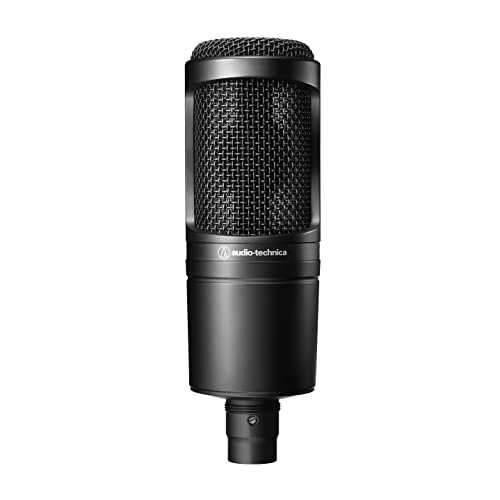
- Cardioid XLR condenser for focused pickup
- Handles high SPL and wide dynamics
- Includes stand mount and threaded adapter
Best For: Project studios with an audio interface
Best Budget XLR Option

- Affordable large-diaphragm condenser
- Cardioid pickup reduces ambience
- Includes shock mount and XLR cable
Best For: Budget-conscious home-studio setups
Premium Noise-Control Pick
Shure SM4 XLR Studio Condenser Microphone Kit

- Smooth, detailed sound with controlled low end
- Cardioid pattern rejects off-axis noise
- Includes shock mount and magnetic pop filter
Best For: Home-studio piano recording with a compatible XLR interface
Focused Instrument Detail
Phenyx Pro PDM35 Pencil Condenser Microphone

- Wide response for crisp high-frequency detail
- Cardioid pickup limits off-axis noise
- Includes clip, foam cover, and carrying bag
Best For: Focused XLR instrument recording and overhead-style placement
Value Studio Pick
AKG Pro Audio P120 Condenser Microphone

- Clear instrument detail from a low-mass diaphragm
- Handles sound levels up to 150 dB
- Includes a -20 dB pad and stand adapter
Best For: Affordable home-studio piano and instrument recording
Best Stereo Pair – RØDE M5-MP Matched Pair
If you want a condenser microphone for piano recording that captures a convincing stereo image, the RØDE M5-MP is a practical matched-pair solution. Its two small-diaphragm cardioid microphones are factory matched within 1 dB, while the included SB20 bar marks ORTF and XY positions for quicker setup.
Best For: Stereo piano, acoustic guitar, choir, and drum-overhead recording with an XLR interface or mixer.
Pros:
- Matched pair supports consistent left-right stereo imaging.
- Small-diaphragm capsules capture piano detail and transients across 20 Hz–20 kHz.
- 19 dB-A self-noise and 140 dB maximum SPL suit both quiet and loud sources.
- Included stereo bar has marked ORTF and XY positions.
Cons:
- Requires two XLR inputs and phantom power through compatible recording equipment.
- Cardioid pattern offers less room capture flexibility than multi-pattern alternatives.
For piano players and engineers who specifically want stereo width, this bundle is more immediately useful than a single microphone. The matched capsules and pre-marked bar simplify repeatable ORTF or XY placement.
Best USB/XLR Flexibility – RØDE NT1 5th Gen
The RØDE NT1 5th Gen is a flexible condenser microphone for piano recording when you may work with either an audio interface or a computer. It supports XLR for traditional studio setups and USB-C for direct computer recording, while its low-noise design and high SPL handling are suited to piano and other instruments.
Best For: Home studios that want one large-diaphragm microphone for piano, vocals, guitars, and computer-based recording.
Pros:
- Offers both XLR and USB-C connectivity.
- RØDE describes the capsule as warm and silky with extremely low self-noise.
- High SPL handling supports a range of recording applications, including piano.
- Includes a shock mount, pop filter, dust cover, and both XLR and USB-C cables.
Cons:
- Single microphone does not provide a true stereo piano image by itself.
- Its large-diaphragm, cardioid design provides less pickup-pattern flexibility than the AKG P420 or LyxPro pair.
This is a strong all-purpose choice when convenience matters. USB-C makes it accessible for direct computer recording, while XLR keeps the microphone compatible with a conventional interface or mixer as your setup develops.
Best Multi-Pattern Option – AKG P420
The AKG P420 is a versatile condenser microphone for piano recording when you need to adjust how much room and ensemble sound enters the recording. Its dual-diaphragm design offers cardioid, omnidirectional, and figure-eight patterns, plus a switchable attenuation pad for high-SPL sources.
Best For: Grand piano, ensemble recording, room ambience, and studios that need selectable pickup patterns.
Pros:
- Three selectable polar patterns accommodate focused, room, and figure-eight recording.
- Switchable attenuation pad supports sound pressure levels up to 155 dB.
- Low-noise electronics and transformerless output support high dynamic range.
- Includes a spider shock mount and aluminum protective case.
Cons:
- It is a single microphone, so stereo piano recording requires another microphone or a different technique.
- Uses XLR and therefore needs compatible recording equipment and phantom power.
The P420 stands out for experimentation and changing room conditions. Choose cardioid for a more focused piano capture, omni for more natural ambience, or figure-eight when that pattern suits the arrangement.
Best Versatile Stereo Kit – LyxPro SDPC-2 Stereo Pair
The LyxPro SDPC-2 is a useful condenser microphone for piano recording when you want stereo capture and interchangeable pickup patterns in one kit. It includes two pencil microphones with omni, cardioid, and super-cardioid capsules, allowing you to tailor coverage for the piano, room, or surrounding instruments.
Best For: Stereo piano, acoustic instruments, choir, orchestra, and portable XLR recording setups.
Pros:
- Two microphones support stereo instrument recording.
- Interchangeable omni, cardioid, and super-cardioid capsules add placement flexibility.
- 30 Hz–18 kHz response is designed for detailed acoustic instrument capture.
- Includes clips, foam windscreens, interchangeable capsules, and an aluminum case.
Cons:
- Requires compatible XLR equipment that supplies phantom power.
- The supplied notes do not specify factory matching between the two microphones.
- Its stated frequency range is narrower than the RØDE M5 pair’s 20 Hz–20 kHz range.
This kit is appealing when flexibility matters more than a fixed stereo configuration. The three capsule choices let you move from focused piano recording to broader room or ensemble capture without changing microphone sets.
Best USB Pick – RØDE NT-USB+ for Piano Recording
The RØDE NT-USB+ is a convenient condenser microphone for piano recording when you want studio-quality audio directly into a computer, tablet, or smartphone. Its cardioid-style unidirectional pickup, 24-bit/48kHz USB-C output, and zero-latency headphone monitoring make it especially practical for home recording without a separate audio interface.
Best For: Pianists who want an all-in-one USB recording setup with simple controls and included accessories.
Pros:
- USB-C connectivity works with computers and mobile devices.
- Zero-latency headphone output supports real-time monitoring.
- Includes a pop filter, desk stand, ring mount, and USB-C cable.
- Built-in Revolution Preamp and optional APHEX processing support clean, polished recordings.
Cons:
- USB connectivity may be less suitable for setups centered on traditional XLR equipment.
- The desktop stand is convenient, but piano placement may require a separate microphone stand or mounting solution.
Choose the NT-USB+ when convenience and direct-to-device recording matter most. Its included accessories and monitoring features reduce setup time, while the USB connection keeps the recording chain straightforward.
Best Home-Studio Value – Audio-Technica AT2020
The Audio-Technica AT2020 is a proven condenser microphone for piano recording in a project or home studio. Its cardioid polar pattern helps reduce sound from the sides and rear, while high SPL handling, a wide dynamic range, and a low-mass diaphragm support detailed instrument capture through an audio interface.
Best For: Home-studio musicians who already have an audio interface and want a straightforward XLR condenser microphone.
Pros:
- Cardioid pickup improves isolation of the piano from surrounding sound.
- High SPL handling and wide dynamic range offer recording versatility.
- Low-mass diaphragm provides extended frequency response and transient response.
- Includes a stand mount, threaded adapter, and protective pouch.
Cons:
- Requires phantom power and an audio interface or compatible recording setup.
- Does not include a cable or onboard headphone monitoring.
The AT2020 is a sensible choice for a conventional studio signal chain. It offers the flexibility of XLR connectivity and focused cardioid pickup, provided your setup already supplies phantom power.
Best Budget XLR Option – Mackie EM-91C
The Mackie EM-91C is an affordable condenser microphone for piano recording in a home or larger studio. Its large-diaphragm capsule and cardioid pattern are designed for studio-based vocals and instruments, while the included shock mount and XLR cable help you get started with compatible recording equipment.
Best For: Budget-conscious musicians who need a basic XLR condenser microphone and included connection accessories.
Pros:
- Affordable professional-quality condenser microphone.
- Cardioid pattern helps reduce ambient sound pickup.
- Includes both a shock mount and XLR cable.
- Rugged construction is suited to regular studio use.
Cons:
- Requires compatible XLR equipment, such as an audio mixer.
- Provides fewer listed recording and monitoring features than the USB option in this roundup.
The EM-91C is a practical entry point for an XLR-based piano recording setup. Its included cable and shock mount add value, though you will still need compatible equipment to power and record from the microphone.
Premium Noise-Control Pick – Shure SM4 XLR Studio Condenser Microphone Kit
For a condenser microphone for piano recording, the Shure SM4 is a strong choice when you want detailed, controlled sound and a complete studio-ready package. Its brass 1-inch dual-diaphragm capsule, uniform cardioid pattern, and high-SPL handling are suited to capturing both nuanced playing and louder passages.
Best For: Home-studio piano recording where noise rejection, consistent close-miking, and included accessories matter.
Pros:
- Smooth, detailed response with controlled low frequencies and natural highs.
- Uniform cardioid pickup helps reject unwanted off-axis noise.
- Handles sound levels up to 140 dB without distortion.
- Includes a shock mount, magnetic pop filter, stand adapter, and carrying case.
Cons:
- Requires an audio interface or other source of phantom power.
- The supplied kit may be more than needed for a simple recording setup.
The SM4 stands out as a refined, durable option for piano recording, especially if you value interference shielding and mix-ready capture. Its XLR connection means you will need compatible recording hardware.
Focused Instrument Detail – Phenyx Pro PDM35 Pencil Condenser Microphone
The Phenyx Pro PDM35 is a compact option to consider when choosing a condenser microphone for piano recording, particularly for setups that prioritize focused pickup and high-frequency detail. Its pencil-style design, cardioid specification, and XLR output make it suitable for instrument-oriented recording systems.
Best For: Players and home recordists who want a lightweight XLR microphone for focused piano, percussion, string, or overhead-style placement.
Pros:
- Wide frequency response is designed to capture crisp highs and balanced detail.
- Cardioid pickup helps reduce off-axis background sound.
- High sensitivity and low impedance make it easy to drive with mixers and interfaces.
- Includes a clip, foam cover, microphone bag, and user manual.
Cons:
- Its compact overhead form factor may provide less handling flexibility than a larger studio microphone.
- Requires XLR equipment and phantom-powered operation.
The PDM35 is a practical, focused instrument mic with useful accessories included. It is best suited to buyers who want a straightforward XLR pencil microphone rather than an all-in-one USB setup.
Value Studio Pick – AKG Pro Audio P120 Condenser Microphone
The AKG P120 offers a practical entry point for anyone shopping for a condenser microphone for piano recording. Its low-mass diaphragm is designed for clear instrument detail, while the cardioid pattern and 20 Hz–20 kHz frequency range support versatile home-studio use.
Best For: Home recordists and project studios seeking an affordable, durable XLR microphone for piano and other instruments.
Pros:
- Low-mass diaphragm delivers clear, accurate sonic detail.
- Handles sound pressure levels up to 150 dB for loud sources.
- Cardioid pattern supports focused recording and reduced off-axis pickup.
- Includes a stand adapter and a -20 dB preattenuation pad.
Cons:
- Only the microphone and stand adapter are listed in the box.
- Requires phantom power and compatible XLR recording equipment.
The P120 is a sensible value choice for building a basic recording chain. Its high-SPL handling and broad frequency range make it flexible beyond piano, while the included stand adapter keeps the package simple.
How We Picked the Best Condenser Microphone for Piano Recording
We selected these models for their suitability as a Condenser Microphone for Piano Recording, covering close-miking, stereo pair, ensemble, project-studio, and computer-based workflows. The list includes both XLR microphones, which require an audio interface or mixer with phantom power, and USB microphones for direct connection to a computer. We also considered polar-pattern flexibility, stereo accessories, stated frequency response, portability, and the practical needs of home and studio users.
Specifications alone do not determine piano tone. Placement and room treatment remain important, so the best choice is the microphone that matches your recording space and technique.
Quick Comparison
| Best For | Recommended Type | Why It Fits |
|---|---|---|
| Detailed stereo piano | Matched small-diaphragm pair | Consistent capsules and accurate left-right imaging |
| Flexible studio recording | Multi-pattern condenser | Useful for changing piano, room, and ensemble setups |
| Home-studio versatility | Large-diaphragm XLR mic | Fuller character and broad instrument coverage |
| Simple computer recording | USB condenser | No separate audio interface required |
| Entry-level recording | Affordable cardioid condenser | Practical starting point for solo piano and instruments |
Key Buying Factors for a Condenser Microphone for Piano Recording
Stereo Capability and Polar Pattern
A matched pair of small-diaphragm microphones is often the most direct route to a convincing stereo piano image. Cardioid patterns help reduce sound from behind the microphone, while multi-pattern models let you experiment with omni, figure-eight, and cardioid capture. Choose based on your room: an untreated space usually benefits from more focused pickup.
Connection and Power
XLR microphones need an interface, mixer, or recorder that supplies 48V phantom power. USB models connect directly to a computer and can be convenient for beginners, but they may offer fewer routing and upgrade options. Check whether your computer, tablet, or recording software supports the intended connection.
Room, Placement, and Accessories
Condenser microphones reveal room reflections, mechanical noise, and unwanted ambience. Budget for stands, cables, a pop filter where appropriate, and basic acoustic treatment. For stereo pairs, a stereo bar can simplify matched placement. Start with the lid position and microphone distance before making major EQ changes.
Output, Headroom, and Tonal Balance
Piano has sharp transients and a wide dynamic range. Look for clean handling of strong peaks and monitor levels while positioning the microphones. A brighter microphone can add definition, while a smoother or fuller model may suit an aggressive instrument or reflective room.
Who Should Buy Which Condenser Microphone for Piano Recording?
- Buy a matched pencil pair if stereo imaging, detailed hammer attack, and a natural spread are your priorities.
- Choose a multi-pattern model if you record piano alongside ensembles, vocals, or other instruments and want more setup options.
- Choose a USB microphone if you need the simplest path from piano recording to a computer and do not already own an interface.
- Choose an affordable cardioid XLR model if you are building a first project-studio setup and want a familiar upgrade path.
- Choose a large-diaphragm condenser if you prefer a broader, fuller presentation and also record vocals or multiple instruments.
Before buying, confirm the included accessories, connector type, phantom-power requirements, and return policy. If possible, prioritize a microphone that suits your room and recording method over headline specifications.