
If you need dependable video monitoring, a professional display with SDI input gives you the signal compatibility, locking connectors, and image tools that HDMI-only screens often lack.
From portable on-camera monitors to rack-mount and studio reference displays, this roundup focuses on models that fit real production workflows in 2026.
Best 10 Professional Display with SDI Input Picks for 2026
Premium OLED Studio Pick
ASUS ProArt OLED 27” 4K QD-OLED

- 12G-SDI for uncompressed 4K@60 playback
- 240Hz QD-OLED with 0.1ms response
- Built-in calibration with ΔE < 1 accuracy
Best For: Color-critical studios needing OLED image quality and SDI input
Bright On-Set Multiviewer
osee Mega 22S4 21.5” Multi-View Monitor
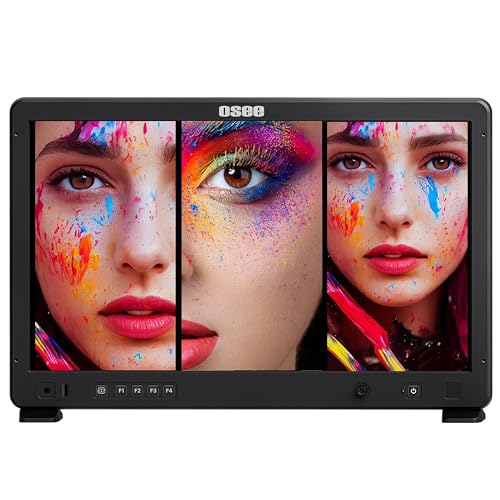
- 1500-nit display for daylight viewing
- 3x HDMI and 3x 3G-SDI inputs
- Split-screen and exposure analysis tools
Best For: Directors and crews needing a bright SDI multiview monitor
Portable Monitor-Recorder
Atomos Shogun 7 HDR Monitor-Recorder

- 1500-nit 7-inch HDR monitor
- Real-time 4K recording incl. ProRes RAW
- Dynamic AtomHDR and Dolby Vision output
Best For: Filmmakers needing portable monitoring and recording with SDI workflows
Accurate Compact Pro Monitor
ASUS ProArt 24” 4K 12G-SDI Monitor

- 12G-SDI with uncompressed 4K@60 playback
- 99% Adobe RGB and 95% DCI-P3 coverage
- Built-in motorized colorimeter and USB-C
Best For: Editors and small studios prioritizing accurate color and SDI input
Compact 4K Field Monitor
LILLIPUT A11 10.1" 4K Camera Monitor

- 3G-SDI supports HD-SDI and SD-SDI signals
- 10.1-inch 1920×1200 panel with 4K HDMI input
- Flexible mounting with VESA 75mm and gimbal brackets
Best For: Portable camera rigs, live shoots, and compact field monitoring
Color-Accurate SDI Display
ASUS ProArt 15.6" 4K HDR SDI Monitor

- 12G-SDI input supports 4K@60Hz playback
- Factory calibrated with Delta E < 2 and Calman Verified
- 100% sRGB and 100% Rec.709 coverage
Best For: Color-critical production, 4K HDR monitoring, and portable pro setups
Rackmount Broadcast Monitor
SEETEC 17.3" 3G-SDI Director Display
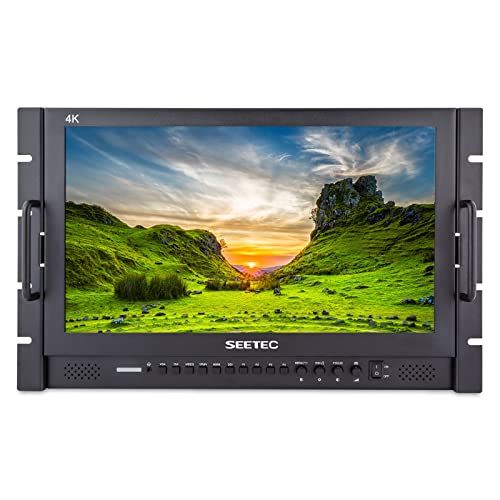
- 17.3-inch Full HD IPS panel with Rec.709 color
- 3G-SDI, HDMI, YPbPr, and video I/O support
- 7RU rackmount design with front and rear tally lights
Best For: Studio racks, broadcast control rooms, and director monitoring
Outdoor SDI Monitor
FEELWORLD SC6 6-inch 1500nit SDI Monitor

- 1500nit display for bright outdoor shooting
- 3G-SDI and HDMI 4K60 input/output
- Includes waveform, LUT support, and accessories
Best For: Outdoor shoots and compact field monitoring
Durable 24/7 SDI Monitor
Beetronics 22SDI7M 22-Inch Industrial IPS Monitor

- 22-inch Full HD IPS panel with 178° viewing angles
- HDMI, VGA, BNC, and RCA inputs for broad compatibility
- Built for 24/7 operation with metal housing
Best For: Fixed installations needing a rugged always-on SDI display
Studio SDI Field Monitor
FEELWORLD FW703 7-Inch SDI Field Monitor
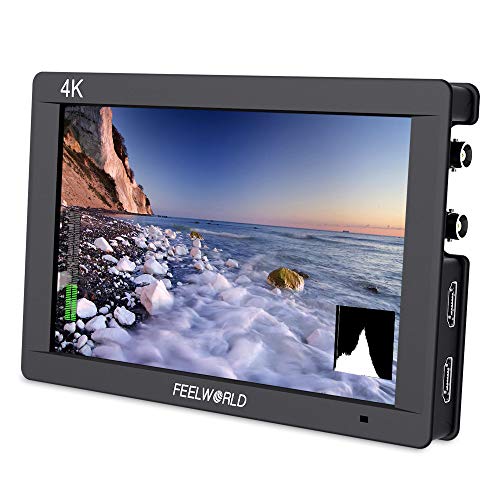
- 7-inch Full HD IPS panel with Rec.709 color
- 3G-SDI and HDMI 4K input/output
- Waveform, vectorscope, and custom 3D LUT support
Best For: Indoor production and compact camera-side monitoring
Premium OLED Studio Pick – ASUS ProArt OLED 27” 4K QD-OLED
If you need a professional display with SDI input that can still double as a premium creative monitor, the ASUS ProArt PA27USD brings together 4K QD-OLED image quality, 12G-SDI connectivity, and serious color tools. It is built for editors, color-critical workflows, and hybrid studio setups that want real-time 4K/60 playback over SDI without compression.
Best For: Colorists, editors, and studios that want OLED contrast plus broadcast-ready SDI input.
Pros:
- 12G-SDI supports 4K@60Hz real-time playback without compression.
- 26.5-inch 4K QD-OLED panel with 240Hz refresh and 0.1ms response time.
- 99% DCI-P3 coverage, BT.2020 support, and ΔE < 1 accuracy.
- Built-in colorimeter with self/auto calibration for long-term consistency.
Cons:
- Premium feature set is likely more than casual users need.
- OLED-style workflow focus may be overkill for basic office tasks.
This is the most feature-rich pick in the group if you want a studio display that can handle both high-end imaging and SDI-based production. The combination of OLED contrast, calibration hardware, and Thunderbolt 4 makes it a strong all-in-one option.
Bright On-Set Multiviewer – osee Mega 22S4 21.5” Multi-View Monitor
The osee Mega 22S4 is a practical professional display with SDI input for production teams that need bright outdoor visibility and flexible multi-camera viewing. With 3G-SDI inputs, 4K HDMI support, and split-screen tools, it is geared toward directors, assistants, and live-set monitoring where quick source management matters.
Best For: Outdoor productions, director stations, and multi-camera monitoring setups.
Pros:
- 1500-nit panel is built for daylight-viewable monitoring.
- 3x 4K HDMI and 3x 3G-SDI inputs support multiple sources.
- Single, dual, triple, quad, PIP, and PBP split-screen modes.
- Includes waveform, vectorscope, false color, and focus peaking tools.
Cons:
- Full HD resolution is lower than 4K reference monitors.
- Most suited to monitoring workflows rather than detailed editing.
This model is less about image finesse and more about practical on-set utility. If your priority is bright monitoring, flexible inputs, and fast source comparison, it fits the job well.
Portable Monitor-Recorder – Atomos Shogun 7 HDR Monitor-Recorder
The Atomos Shogun 7 is a compact professional display with SDI input for crews that want monitoring, recording, and switching in one tool. Its high-bright 7-inch HDR screen, 15+ stop range, and real-time 4K recording support make it a focused option for mobile production and video editing workflows.
Best For: Filmmakers and production teams that need a monitor-recorder with SDI-based workflows.
Pros:
- 7.2-inch 1500-nit HDR display for bright viewing.
- Supports real-time 4K recording, including ProRes RAW.
- Dynamic AtomHDR with 360 zones for HDR monitoring.
- Dolby Vision HDR output adds flexibility for supported workflows.
Cons:
- 7-inch screen is smaller than dedicated field or studio monitors.
- Connectivity details here are lighter than on full studio displays.
For productions that value record-and-monitor convenience over a large screen, this is a strong utility-first choice. It is especially appealing when you need HDR-aware monitoring and capture in a single portable unit.
Accurate Compact Pro Monitor – ASUS ProArt 24” 4K 12G-SDI Monitor
The ASUS ProArt PA24US is a straightforward professional display with SDI input for creators who want 4K detail, wide-gamut color, and reliable calibration in a compact format. With 12G-SDI, USB-C, and built-in colorimeter support, it fits color-managed editing bays and smaller studio desks without sacrificing essential pro features.
Best For: Photo/video editors and compact studios that need accurate color plus SDI connectivity.
Pros:
- 12G-SDI supports 4K@60Hz real-time playback without compression.
- 99% Adobe RGB and 95% DCI-P3 color coverage.
- Built-in motorized colorimeter supports self/auto calibration.
- USB-C with 80W Power Delivery adds flexible workstation connectivity.
Cons:
- 60Hz panel is less suited to high-refresh motion work.
- Lower brightness and basic contrast compared with premium OLED options.
If your priority is dependable color accuracy over flashier specs, this monitor is easy to justify. It covers the essentials for a professional display with SDI input and adds calibration tools that help keep it consistent over time.
Compact 4K Field Monitor – LILLIPUT A11 10.1" 4K Camera Monitor
If you need a professional display with SDI input for field production, the LILLIPUT A11 is built for compact camera rigs, live action, and post-production workflows. Its 10.1-inch panel combines 1920×1200 native resolution, 4K HDMI 1.4b support, and 3G-SDI input with loop output, so it can fit into a variety of shooting setups without feeling oversized.
Best For: Cameramen and creators who want a compact 10.1-inch monitor with SDI support for on-site filming, broadcast, and movie work.
Pros:
- 3G-SDI input supports 3G-SDI, HD-SDI, and SD-SDI signals.
- 1920×1200 native resolution on a 10.1-inch panel for full-HD viewing quality.
- Full lamination, 1000:1 contrast, and 320 cd/m² brightness help preserve detail.
- Multi-angle mounting support includes 1/4-inch screw holes, VESA 75mm, and gimbal brackets.
Cons:
- Brightness is solid at 320 cd/m², but not especially high for very bright outdoor use.
- The 10.1-inch size may feel small for users who prefer a larger director-style display.
Overall, this is a practical professional display with SDI input for shooters who prioritize portability, flexible mounting, and broad signal compatibility over a large screen. It makes the most sense on camera rigs where size and handling matter as much as monitoring quality.
Color-Accurate SDI Display – ASUS ProArt 15.6" 4K HDR SDI Monitor
The ASUS ProArt PA16USV is a professional display with SDI input aimed at users who need accurate color and 4K HDR detail in a portable 15.6-inch form factor. With 12G-SDI, HDMI, USB-C, and a factory-calibrated IPS panel, it suits workflows where consistent image quality matters as much as connectivity.
Best For: Color-critical creators and video professionals who want a compact 4K HDR monitor with 12G-SDI connectivity.
Pros:
- 12G-SDI supports 4K@60Hz real-time playback.
- Factory calibrated to Delta E < 2 with Calman Verified accuracy.
- 100% sRGB and 100% Rec.709 coverage for wide color support.
- Includes HDMI, USB-C, and USB hub options for flexible connections.
Cons:
- 15.6-inch screen size may be smaller than some studio or director monitors.
- 400 nits peak brightness is useful, but not the highest available for harsh outdoor environments.
This is a strong pick if your buying guide puts color accuracy and SDI support at the top of the list. It balances pro-grade calibration, modern connectivity, and 4K HDR performance in a portable display that can move between set, studio, and editing environments.
Rackmount Broadcast Monitor – SEETEC 17.3" 3G-SDI Director Display
For a studio-focused professional display with SDI input, the SEETEC P173-9HSD-RM is designed around rack integration and broadcast monitoring. Its 17.3-inch Full HD IPS panel, Rec.709 color standard, and multiple input and output options make it a practical fit for production control rooms, edit bays, and director stations.
Best For: Broadcast studios and post-production racks that need a 17.3-inch monitor with tally lights and SDI connectivity.
Pros:
- 17.3-inch 1920×1080 IPS panel with Rec.709 color standard.
- 3G-SDI, HDMI, YPbPr, and video inputs and outputs support broad compatibility.
- 7RU rack mount design suits studio and post-production installations.
- Front and rear 3-color tally lights add broadcast workflow utility.
Cons:
- At 4.45 kg, it is significantly heavier than portable field monitors.
- 300 cd/m² brightness is adequate, but not ideal for very bright environments.
This model makes the most sense when your priority is an installed monitoring solution rather than a lightweight on-camera display. If you want SDI support, rackmount convenience, and broadcast features like tally lights, it is well aligned with studio and live production use.
Outdoor SDI Monitor – FEELWORLD SC6 6-inch 1500nit SDI Monitor
If you need a professional display with SDI input for bright-location shooting, the FEELWORLD SC6 is built around a 1500nit panel and rugged aluminum housing. It combines 3G-SDI and HDMI 4K60 connectivity with practical on-camera monitoring tools, making it useful for focus checks, exposure verification, and flexible field workflows.
Best For: Outdoor filmmakers, videographers, and photographers who need a compact SDI monitor with high brightness.
Pros:
- 1500nit brightness helps the screen stay visible in sunlight and demanding outdoor conditions.
- 3G-SDI and HDMI 4K60 input/output support a wide range of camera and production setups.
- Waveform, vectorscope, histogram, zebra, false color, focus peaking, and custom 3D LUT support.
- Includes a battery, carry case, cables, sun shade, and mounting accessories for a ready-to-shoot kit.
Cons:
- At 6 inches, the display is compact rather than expansive for detailed viewing.
- Best suited to field monitoring rather than a large studio-style reference screen.
Overall, the SC6 is a practical choice when visibility and signal flexibility matter more than screen size. It packs the core monitoring tools needed to judge exposure and framing on set while remaining portable enough for handheld, gimbal, and travel setups.
Durable 24/7 SDI Monitor – Beetronics 22SDI7M 22-Inch Industrial IPS Monitor
The Beetronics 22SDI7M is a professional display with SDI input designed for continuous use in demanding environments. Its 22-inch Full HD IPS panel, rugged metal housing, and broad connectivity make it a strong fit when you need a dependable monitor for installation, monitoring, or control applications.
Best For: Industrial, security, broadcast, and commercial setups that need a durable SDI-capable monitor for 24/7 operation.
Pros:
- Full HD IPS panel with 178° viewing angles for clear visibility from multiple positions.
- Includes HDMI, VGA, BNC, and RCA inputs for flexible device compatibility.
- Built for continuous operation with durable metal housing and 24/7 use support.
- Wide 9-36V input range, dimmable backlight, and VESA mounting improve installation flexibility.
Cons:
- Not a lightweight on-camera display; it is better suited to fixed installations.
- 300-nit brightness is more appropriate for indoor or controlled-light environments.
For buyers who want a professional display with SDI input in a rugged, always-on format, this Beetronics model focuses on reliability and integration. It is less about portable production and more about stable performance across industrial and commercial workflows.
Studio SDI Field Monitor – FEELWORLD FW703 7-Inch SDI Field Monitor
The FEELWORLD FW703 is a professional display with SDI input aimed at indoor production and camera-side monitoring. With a 7-inch Full HD panel, 3G-SDI and HDMI 4K connectivity, and built-in exposure and focus tools, it gives creators a practical way to check framing and image quality during shoots.
Best For: Studio productions, interviews, and multi-camera workflows that need a compact SDI monitor.
Pros:
- 7-inch Full HD 1920×1200 IPS display with Rec.709 color support.
- Waveform, vectorscope, RGB histogram, focus peaking, false color, and custom 3D LUT support.
- 3G-SDI plus HDMI 4K input/output for flexible integration with cameras and video systems.
- Low-power operation and included sunshade, hot shoe mount, and F970 battery plate.
Cons:
- 450nit brightness is better suited to indoor or controlled-light shooting than harsh sun.
- Battery is not included, so some users will need to source power separately.
As a monitor for focused production work, the FW703 balances portability with the core tools needed for accurate on-set checks. It is especially appealing if you want a compact SDI-capable display for studio use without moving up to a larger field monitor.
How We Picked the Best Professional Display with SDI Input
We focused on screens that make sense for production use: SDI connectivity, usable panel quality, accurate color or monitoring tools, daylight visibility where needed, and the right form factor for field, studio, or rack setups. We also favored models that support common workflows such as LUT loading, waveform monitoring, calibration, and loop-through outputs.
Quick Comparison
Not every Professional Display with SDI Input serves the same job. Portable field monitors prioritize brightness, size, and rigging flexibility. Larger studio and broadcast displays emphasize panel accuracy, multi-view layouts, and mounting options. Hybrid monitors that combine recording, switching, or calibration features are best for teams that want fewer devices on set.
Key Buying Factors for a Professional Display with SDI Input
Signal Compatibility
Check whether the display supports 3G-SDI, 12G-SDI, or both. If you work in 4K workflows, 12G-SDI can simplify cabling and reduce the need for converters. Loop outputs are useful when you need to feed another monitor or recorder downstream.
Brightness and Viewing Conditions
For outdoor or field use, higher brightness is critical. A bright display helps you judge focus and exposure under sunlight, while lower-brightness reference monitors are often better suited to controlled studio environments.
Color Accuracy and Calibration
Look for factory calibration, low Delta-E ratings, and support for standards such as Rec.709, DCI-P3, Adobe RGB, or HDR formats. If color-critical work matters, prioritize a display with reliable calibration tools and stable panel performance over extra consumer-style features.
Monitoring Tools and Workflow Features
Waveform, vectorscope, false color, peaking, 3D LUT support, and HDR preview can all improve confidence on set. These tools are especially valuable when the display doubles as a camera monitor or director screen.
Who Should Buy Which Professional Display with SDI Input?
Choose a compact on-camera monitor if you need a lightweight rig for run-and-gun production. Pick a brighter 15- to 22-inch unit if you need a director monitor or daylight-viewable field display. Go with a calibrated desktop reference screen for grading, editing, or color-accurate studio monitoring. If your workflow needs switching, recording, or multiview, a hybrid monitor-recorder is often the most efficient choice.
In short, the best Professional Display with SDI Input is the one that matches your signal standard, brightness needs, and production environment without adding unnecessary complexity.