
Choosing a professional OLED reference display is about more than deep blacks and high contrast. For post-production, color accuracy, uniformity, calibration support, and reliable HDR performance matter just as much as panel technology.
This roundup highlights 10 standout options for editors, colorists, and creative teams who need trustworthy image quality and workflow-friendly connectivity in 2026.
Best 10 Professional OLED Reference Display Picks for 2026
Post-Production QD-OLED Pick
Sony BRAVIA FWD-65A95N 65" Professional QD-OLED

- QD-OLED color accuracy for grading
- 4K detail with 120Hz motion
- Two HDMI 2.1 inputs for workflows
Best For: Large-format post-production review and color-critical editing
Mac-Centric Reference Display

- 5K Retina XDR with Mini-LED backlight
- P3 plus Adobe RGB reference modes
- Built-in camera, mics, and speakers
Best For: Mac users wanting a premium creative display with integrated hardware
Calibration-First Pro OLED
ASUS ProArt Display OLED 27" PA27USD

- 4K QD-OLED with 240Hz refresh
- ΔE < 1 with self calibration
- 12G SDI plus Thunderbolt 4
Best For: Studios needing calibrated OLED accuracy and pro video connectivity
6K Creator Workhorse
LG 32U990A-S UltraFine 6K Professional Monitor
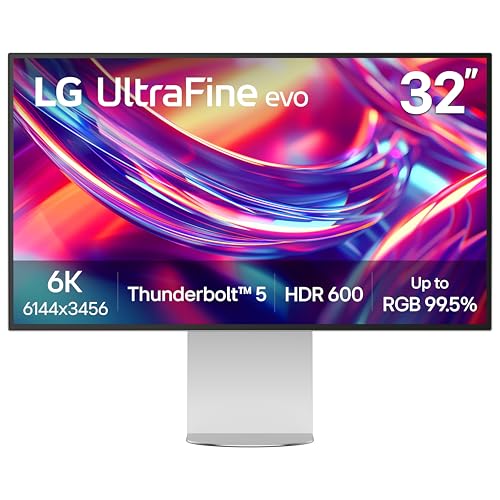
- 6K 32-inch panel at 224 PPI
- Thunderbolt 5 with 96W PD
- 99.5% Adobe RGB and 98% DCI-P3
Best For: High-resolution creative workflows on Mac or Windows
ProArt Precision OLED

- 31.5-inch 4K QD-OLED panel
- Delta E < 1 with hardware calibration
- Dolby Vision, HLG, and HDR10 support
Best For: Color-critical creators needing reference-grade accuracy and HDR support
Odyssey OLED Hybrid

- 4K OLED with Pantone validation
- Dual mode: 4K 165Hz or FHD 330Hz
- 0.03ms response time and HDR10+ Gaming
Best For: Gamers and mixed-use buyers who want OLED speed with solid color features
ProArt Studio OLED

- 4K RGB-stripe OLED with 99% DCI-P3
- Includes X-rite i1 Display Pro calibrator
- USB-C with up to 80W power delivery
Best For: Photo and video pros who want a smaller, calibration-first OLED monitor
Color-Accurate Creator Pick

- 26.5-inch 4K QD-OLED panel
- Calman Verified, Delta E < 1.5
- USB-C 96W, Auto KVM, daisy-chain
Best For: Color-critical editors and Mac-based creator setups
High-End Calibrated Studio Choice

- 4K QD-OLED with 240Hz refresh
- Delta E < 1 and hardware calibration
- Dual Thunderbolt 4 with 96W PD
Best For: HDR studios and color-critical professional workflows
Value IPS Reference Alternative

- 99% DCI-P3 and 99% Adobe RGB
- Calman Verified, Delta E < 2
- USB-C 96W and 5-year warranty
Best For: Color-accurate creators who prefer IPS over OLED
Post-Production QD-OLED Pick – Sony BRAVIA FWD-65A95N 65" Professional QD-OLED
If you need a professional OLED reference display for post-production, this Sony BRAVIA model focuses on the essentials: accurate QD-OLED color, 4K detail, and smooth 120Hz motion. It is built for critical review and editing workflows where faithful image reproduction matters more than consumer extras.
Best For: Color-sensitive post-production teams, editors, and reviewers who want a large 65-inch 4K QD-OLED workspace.
Pros:
- QD-OLED panel aims for true-to-life color accuracy for grading and critical review.
- 4K resolution provides detailed frame-by-frame visibility for editing work.
- 120Hz refresh rate supports smooth motion on fast-paced content.
- Two HDMI 2.1 ports add flexible high-bandwidth connectivity.
Cons:
- Only a 1-year limited warranty is listed.
- No additional feature set is provided beyond the core display specs.
- Large 65-inch size may be more than some edit bays need.
This is a straightforward professional OLED reference display choice for studios that prioritize image fidelity and motion handling over convenience features. Its strengths line up well with post-production review and color-critical workflows.
Mac-Centric Reference Display – Apple Studio Display XDR
The Apple Studio Display XDR is aimed at buyers who want a polished professional OLED reference display alternative with strong brightness, wide color coverage, and built-in creator-focused hardware. Its 5K Retina XDR panel, reference modes, and 120Hz motion support make it a practical fit for desktop creative work.
Best For: Mac-based creators, photographers, filmmakers, and designers who want an integrated 27-inch reference-style display.
Pros:
- 27-inch 5K Retina XDR panel with Mini-LED backlighting and 2304 dimming zones.
- Up to 1000 nits SDR brightness and 2000 nits peak HDR brightness.
- P3 plus Adobe RGB support with reference modes for creative workflows.
- 120Hz refresh rate and Adaptive Sync for smoother motion.
Cons:
- It is not an OLED panel, despite the premium reference-display positioning.
- Connectivity is centered on Thunderbolt 5 and USB-C rather than broad legacy options.
- 27-inch size may feel compact for some post-production setups.
This display makes sense for users who want a premium all-in-one creative monitor with strong color tools and desktop convenience. It is especially compelling when the built-in camera, speakers, and mic array matter as much as image quality.
Calibration-First Pro OLED – ASUS ProArt Display OLED 27" PA27USD
For buyers looking for a professional OLED reference display with serious calibration tools, the ASUS ProArt PA27USD stands out. It combines a 4K QD-OLED panel, high refresh rate, broad HDR format support, and hardware calibration features designed for long-term color reliability.
Best For: Colorists, editors, and studio professionals who need an OLED monitor with built-in calibration and pro connectivity.
Pros:
- 26.5-inch 4K QD-OLED panel with 240Hz refresh rate and 0.1ms response time.
- ΔE < 1 accuracy plus hardware calibration and self/auto calibration support.
- 99% DCI-P3 and BT.2020 coverage with Dolby Vision, HLG, and HDR10 support.
- 12G SDI, dual Thunderbolt 4, HDMI 2.1, and DisplayPort 2.1 connectivity.
Cons:
- At 26.5 inches, the screen is smaller than many reference displays.
- High-end feature set may be more than casual users need.
- Its pro focus can make the setup more specialized than a general-purpose monitor.
This is one of the strongest picks for studios that need both OLED image quality and repeatable calibration. The mix of pro video inputs, wide-gamut support, and long warranty makes it especially well suited to demanding creative pipelines.
6K Creator Workhorse – LG 32U990A-S UltraFine 6K Professional Monitor
The LG 32U990A-S is a strong professional OLED reference display alternative for creators who want extreme pixel density rather than OLED contrast. Its 6K resolution, Thunderbolt 5 support, and wide-gamut color coverage make it aimed squarely at demanding creative workflows.
Best For: 6K editing, photo retouching, 3D work, and multi-device creative setups on Mac or Windows.
Pros:
- 6K resolution on a 32-inch panel with 224 PPI for very sharp detail.
- Thunderbolt 5 with 96W power delivery and daisy-chain support.
- Up to 99.5% Adobe RGB and 98% DCI-P3 coverage with 10-bit color.
- DisplayHDR 600 and Nano IPS Black with 2000:1 contrast for improved shadow depth.
Cons:
- 60Hz refresh rate is less fluid than higher-refresh creative monitors.
- This is an IPS-based display, not OLED.
- Its pro feature set may exceed what basic office users need.
For creators who value workspace, resolution, and connectivity, this LG is a very capable flagship-style monitor. It is especially attractive if you want a large 6K canvas and Thunderbolt 5 simplicity in one setup.
ProArt Precision OLED – ASUS ProArt 32" 4K QD-OLED
If you want a professional OLED reference display that can handle color-critical work and still move fast, the ASUS ProArt PA32UCDM is built for that balance. Its 31.5-inch 4K QD-OLED panel, Delta E < 1 calibration target, 99% DCI-P3 coverage, and support for Dolby Vision, HLG, and HDR10 make it a strong fit for grading, editing, and premium content review.
Best For: Color-critical creators who want a high-end professional OLED reference display with fast response and broad HDR support.
Pros:
- 4K QD-OLED panel with 1000 nits peak brightness and VESA DisplayHDR True Black 400
- World-leading Delta E < 1 color performance with ASUS ProArt hardware calibration and profile write-back
- True 10-bit color plus 100% sRGB, 99% DCI-P3, and BT.2020 coverage
- Thunderbolt 4 connectivity and a 5-year warranty for pro workflows
Cons:
- Priced and positioned as a specialized pro monitor rather than a general-purpose display
- Gloss-free matte finish and reference focus may not appeal to users who want a more vivid consumer look
The PA32UCDM stands out when image fidelity matters more than anything else. If your workflow needs a professional OLED reference display with accurate HDR handling, strong gamut coverage, and fast panel response, this is the most fully featured option in the group.
Odyssey OLED Hybrid – Samsung 32" G7 OLED Dual Mode
The Samsung Odyssey OLED G7 is more of a high-performance gaming OLED than a pure studio monitor, but it still offers qualities buyers look for in a professional OLED reference display. Its 4K OLED panel, Pantone validation, DisplayHDR True Black 400, and dual-mode operation give it a flexible mix of image quality and speed.
Best For: Buyers who want OLED image quality with gaming-first speed, plus decent color credibility for mixed-use setups.
Pros:
- 4K OLED panel with vivid contrast and true-black performance
- Dual mode lets you switch between 4K 165Hz and Full HD 330Hz
- 0.03ms response time for extremely fast motion handling
- Pantone validated screen with HDR10+ Gaming and G-Sync/FreeSync support
Cons:
- Geared primarily toward gaming rather than reference work
- Lower 275 cd/m2 brightness than some pro-focused OLED alternatives
This model makes sense if you want an OLED monitor that excels at responsiveness and still brings credible color features to the table. For strict reference monitoring, it is less specialized than a true studio-first panel, but it remains compelling for mixed creative and gaming use.
ProArt Studio OLED – ASUS ProArt 27" 4K RGB OLED
The ASUS ProArt PA27DCE-K is a compact, studio-oriented professional OLED reference display built for accuracy first. Its 26.9-inch 4K HDR OLED panel, RGB stripe layout, 99% DCI-P3 coverage, Delta E < 1 calibration goal, and included X-rite i1 Display Pro calibrator make it especially appealing for editors and photographers who value consistency.
Best For: Photo and video professionals who want a calibrated professional OLED reference display in a smaller 27-inch form factor.
Pros:
- 4K HDR OLED panel with RGB stripes and 99% DCI-P3 color gamut
- Includes X-rite i1 Display Pro calibrator for setup and verification
- ASUS ProArt hardware calibration with color profile write-back
- USB-C with up to 80W power delivery for one-cable workflows
Cons:
- 60Hz refresh rate makes it less suited to fast-motion use
- Smaller screen size may feel limited for users who want a larger reference canvas
If your priority is dependable color work rather than speed, the PA27DCE-K is the most calibration-focused option here. It offers the kind of panel, tools, and connectivity that make a professional OLED reference display easier to trust in day-to-day creative work.
Color-Accurate Creator Pick – ASUS ProArt 27" QD-OLED 4K
If you want a professional OLED reference display that balances image quality with everyday creator usability, the ASUS ProArt PA279CDV is built around a 26.5-inch 4K QD-OLED panel with factory calibration, Calman verification, and Delta E < 1.5. It is especially compelling for photo and video work where deep contrast, wide gamut coverage, and flexible USB-C connectivity matter more than raw gaming specs.
Best For: Color-critical editors, Mac users, and creators who want a calibrated OLED workspace with easy docking.
Pros:
- QD-OLED panel with 4K resolution, 120Hz refresh rate, and 0.1ms response time
- Factory-calibrated with Calman Verified status and Delta E < 1.5
- Wide gamut support including 100% sRGB and 99% DCI-P3
- USB-C with up to 96W power delivery plus Auto KVM and daisy-chain support
Cons:
- Peak brightness and HDR claims are strong, but it is still a 27-inch desk monitor rather than a large-format reference display
- Designed more for creator workflows than for buyers who only need a basic office screen
This model makes sense if you want OLED contrast and creator-focused calibration in a display that also simplifies cable management and multi-device switching. It is a practical fit for editing bays and Mac-based setups that need one monitor to do a lot.
High-End Calibrated Studio Choice – ASUS ProArt 27" 240Hz QD-OLED
For buyers seeking a professional OLED reference display with top-tier calibration and fast-panel flexibility, the ASUS ProArt PA27UCDMR combines a 4K QD-OLED screen with 240Hz refresh, Delta E < 1 accuracy, and hardware calibration support. It is aimed at creators who want advanced HDR handling, very high color fidelity, and strong connectivity in a single desktop display.
Best For: Professional editors, HDR-focused creators, and studios that want a premium calibrated 4K OLED monitor.
Pros:
- 4K QD-OLED panel with 240Hz refresh rate and 0.1ms response time
- World-leading Delta E < 1 performance with ASUS ProArt Hardware Calibration Technology
- Supports Dolby Vision, HLG, and HDR10
- Dual Thunderbolt 4 ports with up to 96W power delivery and USB hub support
Cons:
- Premium feature set is likely overkill if you only need basic editing or office use
- Dolby Vision support is listed as coming later via firmware update
This is the most advanced option here for creators who value both calibration control and modern OLED performance. Its mix of Thunderbolt docking, HDR format support, and factory tuning makes it a strong studio centerpiece.
Value IPS Reference Alternative – ASUS ProArt 27" 4K IPS
If you want a professional reference-style monitor but do not need OLED, the ASUS ProArt PA279CRV is a practical 4K IPS option with factory calibration, Calman Verified certification, and broad Adobe RGB plus DCI-P3 coverage. It trades the contrast of OLED for a more conventional panel approach while still targeting photo, video, and desktop creative work.
Best For: Buyers who want a calibrated 4K ProArt monitor with excellent color coverage at a more conventional IPS price point.
Pros:
- 27-inch 4K IPS panel with 99% DCI-P3 and 99% Adobe RGB coverage
- Calman Verified and factory pre-calibrated to Delta E < 2
- USB-C with 96W power delivery plus DisplayPort, HDMI, and USB hub
- 5-year warranty with online registration extension
Cons:
- 60Hz refresh rate and 5ms response time are much slower than the OLED models above
- No OLED contrast, so it is less suited to buyers specifically chasing reference-level black depth
This is the safer pick if your workflow needs strong color accuracy and broad gamut support without moving to OLED. It remains a solid creative display, just with a more traditional panel and less emphasis on next-gen image performance.
How We Picked the Best Professional OLED Reference Display
We focused on displays that suit demanding creative workflows, with an emphasis on color accuracy, calibration features, HDR capabilities, resolution, connectivity, and usability in studio environments. Because a Professional OLED Reference Display can serve very different roles, we also weighed panel size, brightness behavior, and whether the model leans more toward grading, editing, or hybrid production work.
Quick Comparison
In this group, the largest Sony and LG options are better suited to shared review rooms, client-facing setups, or immersive post-production bays, while the 27-inch ASUS ProArt models are a stronger fit for desktop editors and color-managed workstations. The Samsung OLED model stands out for speed and flexibility, though it is less specialized for reference-grade color workflows than the most studio-focused options. If you need a more traditional IPS alternative with broad gamut coverage, the ASUS and LG non-OLED displays remain practical choices.
Key Buying Factors for a Professional OLED Reference Display
Color Accuracy and Calibration
Look for factory calibration, low Delta E ratings, and hardware calibration support. For critical work, the display should stay consistent over time and offer tools that make recalibration straightforward.
Resolution and Screen Size
Higher resolutions help when judging fine detail, timelines, and UHD or 6K source material. Larger screens are better for review and finishing, while 27-inch models often provide the most efficient desktop balance.
HDR and Monitoring Performance
A Professional OLED Reference Display should handle HDR cleanly without clipping shadow detail or crushing highlights. Support for formats such as Dolby Vision or HDR10 can be valuable depending on your delivery pipeline.
Connectivity and Workflow
USB-C, Thunderbolt, and high-bandwidth video inputs can simplify studio setups. Power delivery, KVM-style convenience, and multiple input options may also matter if you switch between systems.
Panel Behavior and Use Case
OLED excels at contrast and black level performance, but not every workflow needs the same feature set. Gaming-tuned models may deliver great motion handling, yet still be a weaker fit than a purpose-built reference model for color-critical grading.
Who Should Buy Which Professional OLED Reference Display?
If you are a colorist or finishing artist, prioritize the most reference-oriented models with strong calibration and HDR controls. Editors and motion designers may prefer a 27-inch Professional OLED Reference Display with excellent accuracy and a desk-friendly footprint. Studios building a client review station should consider the larger 32-inch or TV-style options for visibility and shared viewing. For mixed creative work, look for a model that balances color confidence, resolution, and connectivity rather than chasing a single headline spec.