
The Shure SM7B is a broadcast-quality dynamic microphone, but its relatively low output can challenge audio interfaces that lack substantial, clean preamp gain. The right inline booster or standalone preamp can help you reach a healthy recording level without pushing your interface into excessive noise.
We selected 10 options ranging from the widely used Cloudlifter CL-1 to compact budget gain boosters and multi-input preamps. The best choice depends on your interface, available phantom power, required gain, and whether you need a simple XLR solution or broader microphone support.
Best 10 Microphone Preamp for Sm7b Picks for 2026
Editor's Pick
Cloudlifter CL-1 Mic Activator

- Up to +25 dB of gain
- Phantom powered without passing phantom to the mic
- Works with passive dynamic and ribbon microphones
Best For: Podcasts, studios, and passive-mic recording setups
High-Gain Option

- Up to 60 dB of stated gain
- XLR input and output connectivity
- Compact and rugged for portable setups
Best For: SM7B-style dynamic-mic podcast and streaming rigs
Compact Choice
Coda MB-Stealth In-Line Preamp
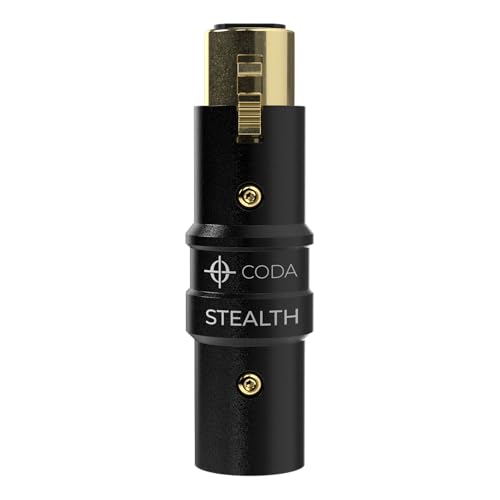
- Adds 28 dB of gain
- Works with dynamic and ribbon microphones
- Compact aluminum XLR design
Best For: Minimalist podcast, streaming, and recording setups
Budget-Friendly Booster

- Provides 29 dB of stated gain
- Requires 48V phantom power
- Built for dynamic and ribbon microphones
Best For: SM7B podcast, streaming, studio, and stage setups
Budget-Friendly Boost

- Adds 25 dB of gain for dynamic microphones
- Runs from interface or mixer 48V phantom power
- Available in one-, two-, and four-channel versions
Best For: Beginners and budget-conscious home studios
Compact Studio Option

- Provides 25 dB of gain for dynamic and ribbon mics
- Balanced XLR input and output for easy integration
- Compact metal chassis supports portable use
Best For: Podcasting, home recording, and mobile setups
Versatile Clean Gain

- Delivers 25 dB of gain for dynamic and ribbon mics
- Supports studio, broadcast, streaming, and live use
- Requires external 48V phantom power and excludes condensers
Best For: Multi-purpose podcast, broadcast, and live setups
High-Headroom Pick

- Up to 75 dB of gain
- -120 dB EIN stated
- Balanced XLR and dual 3.5mm outputs
Best For: SM7B users needing substantial gain and flexible connections
Flexible Connectivity Pick

- 10–60 dB gain range
- Three input formats
- 48V power and fully balanced circuit
Best For: Multi-device recording, podcasting, and live broadcasting
Compact Balanced Pick

- 27 dB XLR gain
- Built-in 48V power
- Compact, noise-reducing metal housing
Best For: Compact podcasting and recording setups using balanced XLR
Editor's Pick – Cloudlifter CL-1 Mic Activator
If you need a microphone preamp for SM7B setups, the Cloudlifter CL-1 is a proven in-line signal booster designed to add up to 25 dB of gain to passive microphones. It uses 48V phantom power while preventing phantom power from reaching the microphone.
Best For: Home studios, podcasts, streaming, voiceover, and studio recording with passive dynamic or ribbon microphones.
Pros:
- Adds up to +25 dB of gain for quieter passive microphones.
- Designed to reduce unwanted noise while improving signal clarity.
- Compatible with passive ribbon microphones and standard microphone inputs with phantom power.
Cons:
- Requires a phantom-power-capable input to operate.
- Provides one channel of gain.
The CL-1 is a straightforward choice when your interface needs additional clean gain for an SM7B or another passive microphone. Its compact metal enclosure and broad application range make it practical for both home and professional setups.
High-Gain Option – Dynamic Microphone Preamp
For shoppers comparing a microphone preamp for SM7B use, this compact XLR preamp focuses on delivering up to 60 dB of clean gain for compatible dynamic microphones. That extra headroom can help strengthen quieter signals for podcasting, streaming, studio work, and live applications.
Best For: Users who want substantial gain for an SM7B or other compatible dynamic microphone in a portable XLR setup.
Pros:
- Offers up to 60 dB of stated clean gain.
- Designed for podcasting, streaming, studio, and live applications.
- Compact, rugged construction supports regular transport and use.
Cons:
- The supplied details do not specify phantom-power requirements or included accessories.
- Compatibility is described for popular dynamic microphones, so condenser-microphone use is not established.
This model stands out for its high stated gain rating and flexible application range. Confirm your microphone and interface requirements before purchase, especially if your setup needs phantom power or specific cabling.
Compact Choice – Coda MB-Stealth In-Line Preamp
The Coda MB-Stealth is an in-line microphone preamp for SM7B-style dynamic setups that adds 28 dB of gain using an interface’s 48V phantom power. Its compact XLR design is intended to improve signal strength without changing the microphone’s natural sound.
Best For: Podcasters, streamers, and recording users who need a compact booster for dynamic or ribbon microphones.
Pros:
- Provides 28 dB of stated gain.
- Designed for dynamic and ribbon microphones, including low-output models.
- Compact aluminum construction and a -70 dB noise rating support portable use.
Cons:
- Requires 48V phantom power from the connected audio interface or mixer.
- Not intended for condenser microphones.
- Provides one channel.
The MB-Stealth is a practical middle ground for an SM7B setup that needs additional gain but not an especially high boost. Its small footprint suits minimalist desk rigs and mobile recording kits.
Budget-Friendly Booster – StudioMan DPM1 Preamp
The StudioMan DPM1 is a plug-and-play XLR microphone preamp for SM7B and other low-output dynamic microphones. It supplies 29 dB of stated gain, uses 48V phantom power, and is designed to help reduce the need to push a noisy interface preamp.
Best For: Podcasters, streamers, and studio or stage users seeking a simple gain boost for dynamic or ribbon microphones.
Pros:
- Adds 29 dB of stated clean, transparent gain.
- Designed specifically for dynamic and ribbon microphones.
- Rugged metal housing provides interference shielding, and a one-year warranty is included.
Cons:
- Requires 48V phantom power, which is not included.
- Not for condenser microphones.
- The supplied information does not specify a noise figure or frequency response.
The DPM1 offers a focused feature set for users who need more level from an SM7B without replacing an entire interface. Check that your mixer or interface supplies 48V phantom power before adding it to your signal chain.
Budget-Friendly Boost – AC-1 Inline Mic Preamp
If you need a microphone preamp for SM7B without adding a complicated power setup, the AC-1 offers 25 dB of gain for dynamic microphones. It is designed to help lower-powered interfaces reach usable recording levels while keeping the signal clean and minimizing the need to run the interface preamp at maximum.
Best For: Beginners, home studios, live streamers, and budget-conscious users who need a simple one-channel boost.
Pros:
- Provides 25 dB of gain for microphones such as the SM7B and SM58.
- Uses 48V phantom power from an interface or mixer instead of requiring a separate power supply.
- Compact, lightweight, and available in single-, dual-, and four-channel versions.
- Includes a stated five-year warranty.
Cons:
- Requires an audio interface or mixer that can provide 48V phantom power.
- The listed model is one channel, so multi-microphone setups may require another version.
The AC-1 is a practical, affordable choice when an SM7B or another dynamic microphone needs more gain from an entry-level interface. Its phantom-powered design keeps the signal chain straightforward for home and mobile setups.
Compact Studio Option – StudioMan CL-100 XLR Preamp
The StudioMan CL-100 is a microphone preamp for SM7B and other dynamic or passive ribbon microphones, adding 25 dB of gain through balanced XLR connections. Its metal housing and stated low-noise design make it a useful fit for desk-based recording, podcasting, streaming, and live sound.
Best For: Users who want a compact XLR booster with a durable metal chassis and broad studio or live-sound compatibility.
Pros:
- Designed for dynamic and passive ribbon microphones with 25 dB of gain.
- Uses standard balanced XLR input and output connectors.
- Compact metal housing provides portability and EMI/RFI shielding.
- Includes a one-year warranty and stated 24/7 technical support.
Cons:
- Requires 48V phantom power from connected equipment.
- The orange-and-black design may not suit every studio setup.
With its small footprint, balanced connections, and gain specification aimed at low-output microphones, the CL-100 is a well-rounded option for users building a straightforward SM7B recording chain. Its metal enclosure is especially useful for portable or frequently moved setups.
Versatile Clean Gain – FC-1 Dynamic Mic Booster
The FC-1 is a microphone preamp for SM7B, RE20, and other dynamic or ribbon microphones that need additional clean gain. It delivers 25 dB through 48V phantom power supplied by an interface or external source, while its stated low-noise performance also suits live sound, broadcasting, and studio work.
Best For: Podcasters, broadcasters, streamers, and live performers who need flexible gain support for low-output dynamic microphones.
Pros:
- Adds 25 dB of gain while aiming to preserve the microphone’s natural sound.
- Designed for podcasting, studio recording, broadcasting, streaming, and live events.
- Can help reduce line noise over long cable runs and improve gain before feedback in live use.
- Its navy finish and durable design suit both studio and stage environments.
Cons:
- It requires 48V phantom power and does not supply phantom power itself.
- It is not compatible with condenser microphones.
The FC-1 stands out for users who move between studio, broadcast, and live applications. It offers the familiar 25 dB gain boost associated with this type of inline preamp while clearly specifying its power requirement and dynamic/ribbon microphone compatibility.
High-Headroom Pick – JCANOL MIC-1
If you need a microphone preamp for SM7B, the JCANOL MIC-1 stands out for its generous gain range and low-noise design. It provides up to 75 dB of gain, supports 48V phantom power, and offers balanced XLR plus 3.5mm outputs for studio or compact recording setups.
Best For: SM7B users who want substantial clean gain, flexible outputs, and support for both dynamic and condenser microphones.
Pros:
- Up to 75 dB of gain for low-output dynamic microphones.
- Claims -120 dB EIN performance and uses dedicated DC analog power to reduce interference.
- Includes balanced XLR, 3.5mm mic, and 3.5mm line outputs.
- Compact metal housing with a stated three-year warranty.
Cons:
- The two input ports cannot be used simultaneously.
- Its broad output selection may be more than a simple single-input setup requires.
With the highest stated gain ceiling in this group, the MIC-1 is a compelling choice when an SM7B needs extra headroom. Its flexible connections also make it useful for portable devices and conventional studio wiring.
Flexible Connectivity Pick – GOWENIC 3-Input Preamp
For shoppers comparing a microphone preamp for SM7B with broader connection options, this GOWENIC unit combines up to 60 dB of gain with three input formats. Its XLR, 6.35mm, and 3.5mm connections are suited to recording, mixing, live broadcasting, and streaming setups.
Best For: Multi-device users who need several input and output formats for home recording, podcasts, or live broadcasts.
Pros:
- Offers adjustable gain from 10 to 60 dB.
- Supports dynamic and condenser microphones with 48V power.
- Provides balanced XLR alongside 6.35mm and 3.5mm connections.
- Uses a fully balanced circuit designed for clean, low-noise sound.
Cons:
- The 3.5mm and 6.35mm inputs are unbalanced.
- Its 60 dB maximum gain is lower than the JCANOL MIC-1’s stated 75 dB.
This is a practical option when connection flexibility matters as much as gain. The three-channel design and support for simultaneous dynamic and condenser microphone enhancement make it especially adaptable for broadcasting and multi-source setups.
Compact Balanced Pick – WALFRONT Microphone Preamp
The WALFRONT is a compact microphone preamp for SM7B designed around straightforward balanced amplification. It provides 27 dB of gain through XLR balanced inputs, 22 dB through 6.5mm unbalanced inputs, and built-in 48V power for compatible condenser microphones.
Best For: Podcasting, recording, and streaming setups that prioritize a compact metal preamp with balanced XLR amplification.
Pros:
- Supports SM7B, 55SH, dynamic microphones, and condenser microphones.
- Provides 27 dB of XLR gain and 22 dB through 6.5mm inputs.
- Uses a fully balanced circuit designed to minimize background noise and coloration.
- Lightweight metal housing is easy to transport and helps reduce interference.
Cons:
- Its stated gain is lower than the other two preamps in this roundup.
- The 6.5mm input is unbalanced.
- The notes do not specify multiple output formats or a warranty.
WALFRONT makes the most sense for users who want a small, focused preamp rather than a high-gain or highly configurable interface. Its balanced XLR path and compact design fit neatly into podcast and home-studio rigs.
How We Picked the Best Microphone Preamp for Sm7b
We focused on compatibility, gain design, connection type, power requirements, and practical setup. A suitable Microphone Preamp for Sm7b should work with a balanced XLR signal, add useful clean gain, and fit naturally between the microphone and audio interface, mixer, or recorder. We also considered whether each model is an inline booster or a more complete preamp with its own inputs, controls, or phantom-power features.
Because product specifications and included accessories can vary, confirm the listed gain, connectors, and power requirements before ordering. In particular, check whether the unit passes phantom power to operate its internal circuitry and whether your interface can supply it.
Quick Comparison
| Type | Best For | What to Check |
|---|---|---|
| Inline gain booster | Simple SM7B setups | Phantom-power requirement and gain amount |
| Compact XLR preamp | Portable podcasting and streaming | Noise performance, housing, and cable placement |
| Multi-input preamp | Flexible microphone systems | Input formats, controls, and output routing |
| Higher-gain standalone unit | Interfaces with limited preamp power | Maximum gain, EIN, and headroom |
Key Buying Factors for a Microphone Preamp for Sm7b
Gain and Noise
The SM7B commonly benefits from additional gain, but more gain is not automatically better. Choose enough boost to keep your interface input at a comfortable level while preserving headroom. Look for clear noise specifications where available, and avoid relying solely on maximum gain claims.
Phantom Power and Signal Path
Many inline boosters use 48V phantom power from the interface to activate their internal circuitry, even though the SM7B itself is a dynamic microphone. Confirm that your interface supplies phantom power and connect the booster in the correct order: microphone to booster, then booster to interface.
Connectors and Compatibility
For a conventional SM7B setup, balanced XLR input and output are the safest choice. Be cautious with products that add 3.5mm or 6.35mm connections unless they match your equipment. Passive or poorly matched adapters can introduce noise, reduce flexibility, or prevent the microphone from working as intended.
Build and Setup
A compact metal inline unit is convenient, but it can place physical stress on an interface-mounted XLR jack. Use a short, flexible XLR cable when appropriate. For desk-mounted podcast rigs, consider cable routing, access to phantom-power controls, and whether the preamp can be secured without hanging from the connector.
Who Should Buy Which Microphone Preamp for Sm7b?
Choose the Cloudlifter CL-1 if you want a well-known, purpose-built inline booster for a straightforward SM7B chain. Compact alternatives may suit shoppers seeking similar functionality at a lower price, provided their gain, noise, and power specifications meet your needs.
Choose a higher-gain or multi-input model if you also use condenser microphones, multiple sources, or an interface with limited input flexibility. These units can offer more versatility, but they may add controls and connections you do not need for a simple broadcast setup.
Before buying, identify your interface’s available gain, verify phantom-power support, and decide whether you need only clean XLR gain or a complete preamp with multiple inputs. That checklist will usually narrow these 10 options quickly.