
A microphone preamp with compressor can solve two recording problems at once: it boosts a microphone’s signal while helping control peaks before the audio reaches your interface or recorder.
This roundup includes compact inline units, tube channel strips, FET-style compressors, and multi-channel studio hardware. The right choice depends on your microphone type, available gain, desired tone, workflow, and budget.
Best 10 Microphone Preamp with Compressor Picks for 2026
Best All-in-One Choice

- Integrated preamp and compressor
- Adds de-esser, enhancer, and gate
- Rack-mountable with loop-out
Best For: Vocal recording, streaming, and voiceover processing
Best Tube Character

- Tube-based warm sound profile
- Variable impedance and valve voicing
- Includes output protection limiter
Best For: Tube-style vocal and instrument recording
Best Compact Gain Booster
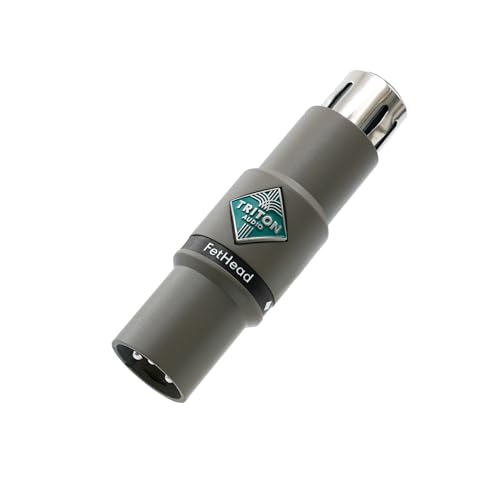
- Low-noise Class-A JFET amplifier
- Shielded compact in-line design
- Weighs only 2.72 ounces
Best For: Small setups needing a simple microphone gain boost
Best Digital-Ready Channel Strip
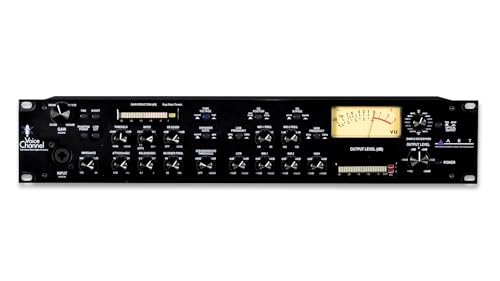
- Tube preamp with full dynamics section
- Includes compressor, de-esser, and gate
- USB and multiple digital outputs
Best For: Digital studios needing flexible vocal processing
Best Compact Option
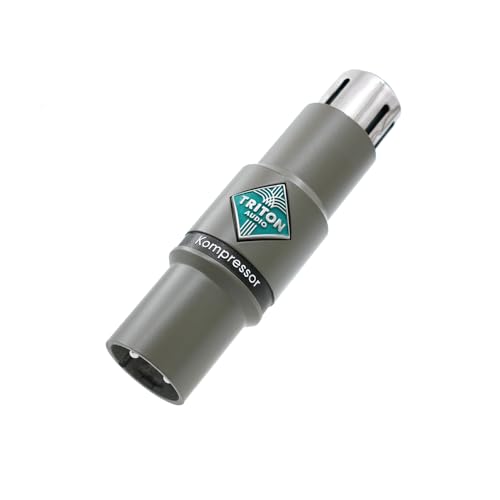
- 25 dB of microphone gain
- One-knob FET-OPTO compression
- Phantom-power protection for ribbons
Best For: Compact podcast and recording setups using dynamic or ribbon microphones
Best Full Channel Strip

- Class A 12AX7 tube preamp
- VCA compressor and three-band EQ
- Mic, instrument, and line inputs
Best For: Studios wanting comprehensive preamp, compression, and EQ control
Best Classic FET Style

- 1176-style FET compression
- Class A line-level amplifier
- MIDAS input and output transformers
Best For: Rack-based professional setups needing classic FET compression
Tube Tone Control
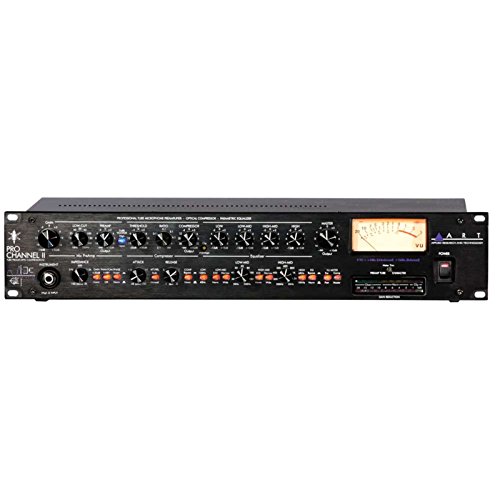
- Tube preamp, compressor, and EQ in one channel
- Selectable optical or tube compression
- Switchable VU metering and broad connectivity
Best For: Home and project studios wanting comprehensive tube-based processing
Low-Noise Value Pick

- 19–66 dB gain with stated -120 dBV EIN
- 1 MΩ instrument input for DI applications
- Type-C power and XLR/TRS/TS connectivity
Best For: Portable, budget-conscious vocal and instrument recording
Multi-Channel Studio Choice
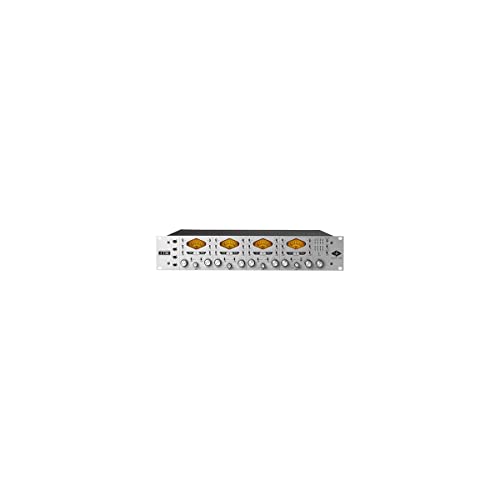
- Four microphone preamp channels
- Tube/FET preamp and DI with tone blending
- Built-in 8-channel 24-bit/192 kHz conversion
Best For: Studios recording multiple microphones or instruments
Best All-in-One Choice – dbx 286s Channel Strip
The dbx 286s is a practical microphone preamp with compressor for vocalists, streamers, and recording setups that need several processing tools in one rack unit. Its compressor, de-esser, enhancer, and expander/gate provide flexible control from input to output.
Best For: Vocal recording, voiceover, streaming, and rack-based setups needing comprehensive analog processing.
Pros:
- Combines microphone preamp, compression, de-essing, enhancement, and gating.
- Classic dbx compression helps balance loud and quiet vocal elements.
- Includes XLR and 1/4-inch inputs, loop-out capability, status LEDs, and rack mounting.
Cons:
- Single-channel design limits simultaneous processing to one channel.
- Its 1U rack format may be excessive for very small desktop setups.
Choose the 286s when you want a dedicated, highly configurable front end rather than a simple preamp. The broad selection of processing sections makes it especially useful for shaping vocals before they reach an interface or mixer.
Best Tube Character – ART TPS II Tube Preamplifier
The ART TPS II is a tube microphone preamp with compressor-related dynamics protection through its enhanced OPL output protection limiter. It also offers variable input impedance and valve voicing controls for users who want to shape a warmer preamp sound.
Best For: Singers and guitarists seeking tube-style warmth, flexible input matching, and straightforward single-channel preamplification.
Pros:
- Tube design provides a stated warm sound profile.
- Variable input impedance and V3 Variable Valve Voicing expand tonal flexibility.
- Features LED input and analog output metering plus an OPL output protection limiter.
Cons:
- Does not list the broader compression, de-essing, or gating controls found on a channel strip.
- Single-channel operation may not suit stereo recording needs.
The TPS II is better suited to buyers prioritizing tube coloration and input flexibility than extensive vocal processing. Its limiter and metering add useful control, while the wide stated frequency response supports varied recording applications.
Best Compact Gain Booster – Triton Audio FetHead
The Triton Audio FetHead is a compact in-line microphone preamp for adding low-noise Class-A gain to a compatible microphone chain. While it is not a full microphone preamp with compressor, its shielded enclosure and JFET design make it a focused option for users who need a simple signal boost.
Best For: Compact microphone setups needing an in-line, low-noise preamp stage.
Pros:
- Uses a low-noise Class-A JFET amplifier design.
- Compact 5.05-by-1.25-by-1.2-inch form factor weighs 2.72 ounces.
- Shielded enclosure and four matched JFETs are suited to a focused signal-boosting role.
Cons:
- Does not include a compressor or additional channel-strip processing.
- Its in-line format offers fewer controls than a full rack preamp.
The FetHead makes sense when size and simplicity matter more than comprehensive dynamics control. Pair it with a separate compressor or channel strip if your setup specifically requires compression.
Best Digital-Ready Channel Strip – ART VoiceChannel
The ART VoiceChannel is a tube microphone preamp with compressor and a broader dynamics section that includes expander, de-esser, and gate controls. Its digital outputs, USB connectivity, and support for sample rates up to 192 kHz make it a versatile front end for computer-based and digital recording systems.
Best For: Recording engineers who want tube preamp character, integrated vocal dynamics, and multiple digital output options.
Pros:
- Combines tube preamp warmth with compressor, expander, de-esser, and gate processing.
- Offers ADAT, AES/EBU, S/PDIF, TOSLink, and USB connectivity.
- Supports microphones and a range of instruments, including guitar, bass, keyboard, and drums.
Cons:
- Its extensive connectivity may be unnecessary for a basic analog recording chain.
- Single-channel design is not intended for stereo processing.
The VoiceChannel is a strong fit when you need more than analog preamplification. It combines vocal-focused dynamics processing with flexible digital integration, making it suitable for studios that may route audio to interfaces, computers, or digital consoles.
Best Compact Option – Triton Audio Kompressor
If you need a microphone preamp with compressor for a low-output dynamic or ribbon microphone, the Triton Audio Kompressor combines up to 25 dB of gain and one-knob compression in a compact XLR barrel. It is designed to provide source-level control without adding a large rack unit to your setup.
Best For: Podcasters and recording users working with dynamic or ribbon microphones, including low-output models such as the Shure SM7B.
Pros:
- Combines microphone preamplification and FET-OPTO compression in one compact unit.
- Provides up to 25 dB of gain for dynamic and ribbon microphones.
- Simple one-knob control makes compression easy to adjust.
- Blocks 48V phantom power from reaching a connected ribbon microphone.
Cons:
- Offers less detailed control than a full channel strip or rack compressor.
- Requires 48V phantom power to operate.
The Kompressor is a practical choice when space and simplicity matter. Its integrated gain and compression can help create a more consistent signal at the microphone input, while the phantom-power blocking design adds protection for ribbon microphones.
Best Full Channel Strip – PreSonus StudioChannel
The PreSonus StudioChannel is a microphone preamp with compressor for users who also want tube coloration and detailed tone shaping. Its Class A 12AX7 preamp, VCA compressor, and three-band EQ provide a broader set of controls than a simple inline unit.
Best For: Project and professional studios that need one rack unit for microphone preamplification, compression, and EQ across vocals, instruments, keyboards, and synths.
Pros:
- Combines a high-voltage Class A 12AX7 tube preamp with a VCA compressor.
- Includes a three-band EQ with a variable-Q mid band and shelving or peak options.
- Offers microphone, instrument, and line inputs.
- Provides useful studio controls including a high-pass filter, pad, phantom power, and polarity reverse.
Cons:
- Its 1U rack-mount format is less portable than a compact inline preamp.
- The wider feature set may be more than users who only need basic gain and compression require.
Choose the StudioChannel when flexibility is more important than minimal size. The tube preamp, compressor, and EQ can handle a range of sources and let you shape the signal before it reaches your recording interface.
Best Classic FET Style – Klark Teknik 76-KT Compressor
The Klark Teknik 76-KT suits engineers looking for a microphone preamp with compressor in a classic hardware format. It combines a FET-style compressor with a discrete Class A line-level amplifier and MIDAS transformers, emphasizing selectable compression ratios and hands-on timing controls.
Best For: Professional audio setups that prioritize classic FET-style compression, transformer-based circuitry, and rack-mounted operation.
Pros:
- Uses a classic FET-style compressor modeled after 1176LN revisions D and E.
- Features a completely discrete signal path and Class A line-level output amplifier.
- Includes custom-built MIDAS input and output transformers.
- Offers 4:1, 8:1, 12:1, and 20:1 ratios plus adjustable attack and release times.
Cons:
- The supplied notes identify it as a line-level amplifier and compressor rather than a dedicated microphone preamp.
- Its rack-mount design is less convenient for portable or minimal setups.
The 76-KT is best viewed as a dedicated, character-focused compressor and line-level amplifier rather than an all-in-one channel strip. It is a strong match for users who want selectable FET compression ratios, adjustable timing, and transformer-equipped circuitry.
Tube Tone Control – ART Pro Channel II
ART Pro Channel II Microphone Preamp/Compressor/EQ Professional Tube Based Selectable VU Metering
Check Price On AmazonThe ART Pro Channel II is a full-featured microphone preamp with compressor for recording setups that need more than basic gain. Its tube-based preamp, selectable optical or tube compressor, and tube EQ provide separate stages for shaping vocals, instruments, and other line sources.
Best For: Home studios and project studios seeking an all-in-one tube recording channel with flexible metering and tone shaping.
Pros:
- Combines tube mic preamp, selectable compressor, and tube EQ in three independent modules.
- Offers warm, smooth, and silky tube-based sound shaping.
- Selectable VU metering monitors mic pre output, compressor output, or main output.
- Supports XLR, 1/4-inch TRS, and 1/4-inch TS connections.
Cons:
- Its 13.4-pound, rack-style design is less portable than compact preamps.
- It provides one channel, so multi-microphone recording requires additional channels.
Choose this model when hands-on analog-style tone control matters more than minimal size. The independent processing sections make it a versatile front end for vocals and other single-channel sources.
Low-Noise Value Pick – RO03 66 dB Mic Preamp
The RO03 is a compact microphone preamp with compressor roundup option for users who primarily need clean, adjustable gain and flexible connectivity. It offers 19–66 dB of gain, a stated -120 dBV EIN, a 1 MΩ instrument input, and Type-C power for portable recording setups.
Best For: Budget-conscious vocalists, streamers, and musicians needing a portable preamp for dynamic, condenser, ribbon, or instrument sources.
Pros:
- Provides a practical 19–66 dB gain range with a stated -120 dBV EIN.
- 1 MΩ instrument input is designed to better suit DI use with instruments.
- Offers XLR, TRS, and TS connections plus Type-C power input.
- Three outputs can be used simultaneously, according to the supplied specifications.
Cons:
- The two input ports cannot operate simultaneously.
- The manufacturer recommends connecting to an audio interface’s TRS line input for the lowest noise.
- It is a mic preamp rather than an integrated compressor, so compression requires separate equipment.
The RO03 is a practical choice when low noise, high gain, and portability are priorities. Confirm your interface connections and plan for an external compressor if you need complete microphone preamp with compressor processing.
Multi-Channel Studio Choice – Universal Audio 4-710d
The Universal Audio 4-710d is a four-channel microphone preamp with compressor designed for larger recording setups. Its tube/FET preamp and DI section includes a tone-blending control, while built-in 8-channel 24-bit/192 kHz A/D conversion supports integration with digital recording workflows.
Best For: Studios recording multiple microphones or instruments that need four channels of tube/FET preamplification and compression-oriented tone control.
Pros:
- Provides four microphone preamp channels in one unit.
- Combines tube/FET preamp and DI functionality with a tone-blending knob.
- Includes 8-channel 24-bit/192 kHz A/D conversion.
Cons:
- Its four-channel design may be more than needed for a simple single-microphone setup.
- The supplied specifications do not detail individual connectivity or compressor controls.
The 4-710d stands out when channel count and studio expansion are central requirements. It is best evaluated as a higher-capacity recording front end rather than a compact, single-channel solution.
How We Picked the Best Microphone Preamp with Compressor
We focused on the features that matter in real recording setups: usable clean gain, compression control, noise performance, connectivity, metering, microphone compatibility, and overall workflow. The selection spans inline preamps for adding gain to dynamic or ribbon microphones, single-channel channel strips for vocals and instruments, and multi-channel units for larger recording systems.
We also considered whether each product is best suited to a home studio, podcast desk, project studio, live rack, or professional tracking environment. Tube, transformer-based, FET, and optical-style designs can produce different responses, so the roundup includes options for both transparent gain and more colored analog character.
Quick Comparison
| Best For | What to Look For |
|---|---|
| Podcasts and spoken voice | Simple controls, low noise, de-essing, gating, and reliable metering |
| Dynamic or ribbon microphones | High clean gain, suitable input impedance, and careful phantom-power handling |
| Vocals and instruments | Flexible compression, EQ or enhancement controls, and useful headroom |
| Multi-microphone sessions | Multiple channels, consistent controls, and balanced outputs |
| Analog tone shaping | Tube stages, transformers, selectable voicing, and responsive compression |
Key Buying Factors for a Microphone Preamp with Compressor
Gain and Microphone Compatibility
Dynamic and passive ribbon microphones often need substantially more gain than condenser microphones. Check the preamp’s maximum gain and noise specifications, especially if you record quiet sources at a distance. Phantom power should be switchable, and it should never be applied carelessly to microphones or inline accessories that are not designed to receive it.
Compressor Design and Controls
Compression may be optical, FET-style, or part of a broader channel-strip circuit. Look for controls that match your workflow, such as threshold, ratio, attack, release, makeup gain, and a bypass switch. Fast FET compression can emphasize punch and presence, while optical-style behavior is often smoother and more forgiving.
Connections and Signal Flow
Confirm whether the unit uses XLR, quarter-inch line inputs, insert points, digital outputs, or balanced line outputs. An insert can make it easier to route external processing, while digital connectivity may reduce conversion steps in a compatible studio. Inline products are convenient but usually offer fewer routing and tone-shaping options.
Noise, Headroom, and Metering
Low equivalent input noise is important for quiet sources, while generous headroom helps prevent harsh clipping on loud vocals, drums, and instruments. LED meters or VU meters make it easier to set levels consistently. Avoid using compression as a substitute for proper microphone placement and gain staging.
Who Should Buy Which Microphone Preamp with Compressor?
Choose an inline preamp if you need more gain from a dynamic or ribbon microphone without adding a full rack unit. A compact channel strip is a practical fit for podcasters, streamers, and vocalists who want compression and tone controls before recording. Tube-based models suit users seeking a warmer or more characterful signal path, while FET-oriented designs are useful when fast, assertive peak control is a priority.
For a project studio recording several sources at once, a multi-channel preamp and compressor can reduce setup changes and keep levels consistent. Buyers who already own a good preamp may prefer a dedicated compressor instead of replacing the entire signal chain. In every case, match the unit’s gain, input requirements, connectors, and available rack or desktop space to your existing interface before ordering.