
The right microphone preamp can give a quiet microphone the clean gain it needs while adding useful control over noise, tone, and connectivity. The best choice depends on whether you record at a desk, into a camera, with a mobile device, or through a larger studio system.
We selected 10 microphone preamps and related gain solutions across dedicated channel strips, inline boosters, USB interfaces, mobile adapters, and multi-input units. Use the guide below to compare features and find the best fit for your signal chain.
Best 10 Microphone Preamp Picks for 2026
All-in-One Channel Control

- Mic preamp with four independent processors
- XLR and 1/4-inch input options
- Rack-mountable 1U channel strip
Best For: Vocal and broadcast signal processing
Clean Gain for Quiet Mics
Cloudlifter CL-1 Mic Activator

- Adds up to +25 dB of gain
- Phantom-powered inline design
- Suitable for passive ribbon microphones
Best For: Low-output microphones and voice recording
Compact USB Recording Hub
Focusrite Scarlett Solo 3rd Gen

- One XLR mic preamp with Air mode
- Dedicated Hi-Z guitar or bass input
- 24-bit/192kHz USB recording support
Best For: Solo recording and podcasting
Tube Warmth and Flexible Inputs

- Tube preamplifier with warm sound profile
- Variable impedance and valve voicing
- Mic and instrument input support
Best For: Characterful studio recording
Low-Noise Inline Pick
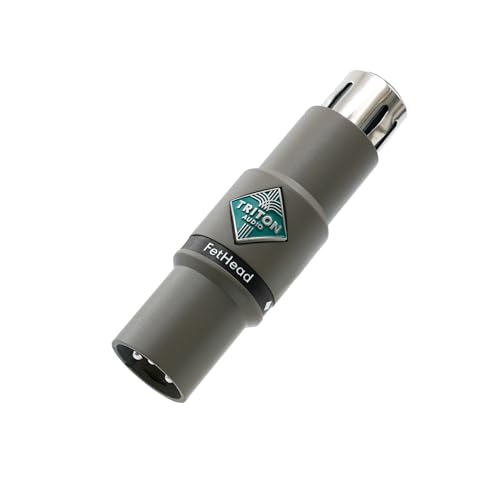
- Low-noise Class-A JFET amplifier
- Shielded enclosure
- Four matched JFETs
Best For: Compact inline microphone gain
Mobile Recording Pick
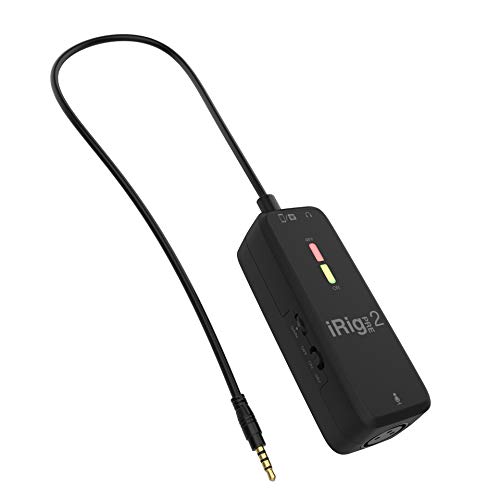
- XLR input and +48V phantom power
- Headphone monitoring output
- Works with mobile devices and cameras
Best For: Portable XLR recording and streaming
Phantom-Powered Inline Pick

- FET-style inline preamplifier
- Phantom-power compatible
- Metal construction
Best For: Simple phantom-powered inline gain
Best Versatile Microphone Preamp

- Up to 75dB clean gain and -120dB EIN
- Balanced XLR plus dual 3.5mm outputs
- 48V phantom power and 1MΩ instrument input
Best For: Flexible vocal, instrument, and portable recording setups
Best Feature-Rich Microphone Preamp

- 0–72dB adjustable gain with -120dBV EIN
- Dual output levels for desktop and mobile setups
- USB-C power, 48V phantom power, and simultaneous mic/instrument inputs
Best For: Streaming, podcasting, and portable recording
Best Dynamic Mic Booster

- Two channels with +25dB clean gain
- Designed for dynamic and passive ribbon microphones
- Balanced XLR I/O and phantom-powered operation
Best For: Dual-channel dynamic or passive ribbon mic setups
All-in-One Channel Control – dbx 286s Microphone Preamp
The dbx 286s is a microphone preamp and channel strip for users who want more control before audio reaches a mixer or interface. It combines microphone and instrument inputs with compression, de-essing, enhancement, and expander/gate processing in a rack-mountable 1U unit.
Best For: Vocalists, podcasters, broadcasters, and home or project studios that want hands-on dynamics and tone shaping.
Pros:
- Combines microphone preamp, compressor, de-esser, enhancer, and expander/gate functions.
- Accepts XLR microphone and balanced or unbalanced 1/4-inch line-level sources.
- Offers loop-out connectivity, status LEDs, and 1U rack mounting.
Cons:
- Its single-channel, corded design is less suited to users seeking a compact USB recording interface.
- Processing controls may be more than needed for straightforward gain-only applications.
Choose the 286s when you want a complete front-end processing chain rather than a basic microphone preamp. Its strongest advantage is the ability to shape dynamics, sibilance, and tonal detail in one rack unit.
Clean Gain for Quiet Mics – Cloudlifter CL-1 Mic Activator
The Cloudlifter CL-1 is a focused microphone preamp and mic activator for adding clean gain to quiet passive microphones. It uses phantom power to provide up to +25 dB while preventing phantom power from passing through to compatible passive ribbon microphones.
Best For: Podcasters, streamers, vocalists, and recording setups using low-output passive dynamic or ribbon microphones.
Pros:
- Provides up to +25 dB of microphone gain while preserving the microphone’s natural sound.
- Designed to reduce unwanted noise and improve microphone clarity and signal strength.
- Works with standard microphone inputs that provide +48V phantom power and is suitable for passive ribbons.
Cons:
- It requires a separate preamp or audio interface with phantom power.
- It is a single-channel gain booster rather than a complete recording interface or channel strip.
The CL-1 makes sense when your existing preamp lacks enough clean gain for a quiet microphone. It is a simple inline solution, but it does not replace the input, conversion, or processing functions of an audio interface.
Compact USB Recording Hub – Focusrite Scarlett Solo 3rd Gen
The Focusrite Scarlett Solo 3rd Gen pairs a microphone preamp with USB recording, making it a practical choice for recording directly to a Mac, Windows PC, or compatible iPad. Its XLR input, Hi-Z instrument input, Air mode, and 24-bit/192kHz conversion cover basic vocal, guitar, podcast, and home-studio workflows.
Best For: Solo musicians, podcasters, vocalists, and creators who need a compact computer-connected recording setup.
Pros:
- Includes one XLR microphone preamp with a 56 dB gain range and switchable Air mode.
- Provides a dedicated Hi-Z instrument input for guitar or bass.
- Supports recording and mixing up to 24-bit/192kHz with low-noise balanced outputs.
Cons:
- Its one-microphone-input layout is limiting for multi-mic recording.
- USB connectivity makes it dependent on a computer or compatible host for recording.
The Scarlett Solo is a strong all-purpose microphone preamp option when recording software and monitoring are part of the plan. It offers more complete computer-recording functionality than a standalone gain booster while remaining compact.
Tube Warmth and Flexible Inputs – ART TPS II Tube Preamplifier
The ART TPS II is a tube microphone preamp system designed for users who want a warmer sound profile and flexible front-end control. It includes variable input impedance, variable valve voicing, LED input and analog output metering, and automatic switching between instrument and microphone preamp modes.
Best For: Studio users recording microphones or guitars who want tube-based coloration and adjustable input behavior.
Pros:
- Uses tube amplification with variable valve voicing for a warm sound profile.
- Supports both microphone and instrument sources with XLR and 6.35mm connections.
- Includes variable input impedance, input/output metering, and an output protection limiter.
Cons:
- Its 19-inch-wide chassis is less convenient for small desktop setups.
- Tube coloration and extensive controls may not suit users seeking a strictly transparent preamp.
The TPS II is worth considering when tone shaping is as important as clean gain. Its tube architecture, impedance controls, and valve voicing offer a more characterful alternative to a simple solid-state microphone preamp.
Low-Noise Inline Pick – Triton Audio FetHead
The Triton Audio FetHead is a compact microphone preamp for setups that need low-noise Class-A gain in an inline format. Its shielded enclosure, double single-ended amplifier topology, and four matched JFETs make it a focused choice for compatible recording chains.
Best For: Users seeking a compact, low-noise inline microphone preamp with a shielded metal-style enclosure.
Pros:
- Low-noise Class-A JFET amplifier design
- Double single-ended amplifier topology
- Shielded enclosure with four matched JFETs
- Lightweight 2.72-ounce package
Cons:
- Its inline design may be less versatile than a standalone interface
- Listed voltage is 24 volts, so system compatibility should be checked
This FetHead keeps the feature set focused on inline amplification and noise-conscious construction. Confirm the required power and connection arrangement before choosing it for your microphone setup.
Mobile Recording Pick – IK Multimedia iRig Pre 2
The IK Multimedia iRig Pre 2 is a portable microphone preamp adapter for connecting an XLR microphone to mobile devices and cameras. It combines adjustable Class-A gain, true +48V phantom power, and direct headphone monitoring for recording, streaming, broadcasting, and podcasting.
Best For: Mobile creators who need XLR microphone connectivity, phantom power, and real-time headphone monitoring.
Pros:
- XLR input with true +48V phantom power
- Adjustable-gain Class-A microphone preamp
- Direct headphone output for low-latency monitoring
- Compatible with iPhone, iPad, Android devices, and digital cameras
Cons:
- Single-channel design
- Plastic enclosure
- Requires two AA batteries, which are included
With broad device compatibility and built-in monitoring, the iRig Pre 2 is the most feature-rich option here for portable recording. Its single-channel, battery-powered design is best suited to individual microphone setups rather than multi-channel work.
Phantom-Powered Inline Pick – Triton Audio FetHead Phantom
The Triton Audio FetHead Phantom is an inline microphone preamp designed for setups that provide phantom power. Its FET-style amplification and metal construction offer a straightforward way to add inline gain without moving to a larger standalone unit.
Best For: Users who want a simple, compact FET-style inline microphone preamp for phantom-powered systems.
Pros:
- FET-style inline microphone preamplifier
- Designed around phantom power
- Metal construction
- Lightweight 68-gram design
Cons:
- Single-channel design
- Requires a phantom-power-compatible setup
- Provides fewer listed features than a portable interface
The FetHead Phantom is a focused option for buyers who already have phantom power available and want a compact inline solution. Check your existing equipment’s power and connector requirements before adding it to the signal chain.
Best Versatile Microphone Preamp – JCANOL MIC-1
The JCANOL MIC-1 is a flexible microphone preamp for recording setups that need substantial clean gain, multiple output formats, and support for both dynamic and condenser microphones. Its up-to-75dB gain range and -120dB EIN rating suit quiet sources and low-output dynamics, while the balanced XLR and 3.5mm outputs support studio and portable connections.
Best For: Vocal recording, low-output dynamic microphones, and compact studio or portable setups.
Pros:
- Provides up to 75dB of gain with a -120dB EIN noise rating.
- Includes 48V phantom power for compatible condenser microphones.
- Offers balanced XLR plus independent 3.5mm mic and line outputs.
- Features a 1MΩ instrument input for DI-connected instruments.
Cons:
- The two input ports cannot be used simultaneously.
- Its broad output and input options may be more than a simple single-purpose setup needs.
Choose the MIC-1 if you want one compact unit that can add considerable gain to quiet microphones while also accommodating instruments and portable audio devices. The 3-year warranty is an additional advantage for buyers prioritizing longer-term support.
Best Feature-Rich Microphone Preamp – RO-04
The RO-04 is a feature-rich microphone preamp built for recording, podcasting, streaming, and mobile use. Its adjustable 0–72dB gain range provides controlled boost for microphones such as the SM58 and SM7B, while separate output levels and USB-C power make it adaptable to desktop, smartphone, and power-bank setups.
Best For: Streamers, podcasters, mobile recording, and users who need microphone and instrument inputs in one unit.
Pros:
- Offers adjustable gain from 0 to 72dB with a -120dBV EIN rating.
- Provides separate output levels for professional and mobile or consumer devices.
- Supports USB-C power banks while retaining 48V phantom power capability.
- Has independent microphone and 1MΩ instrument inputs that can be used simultaneously.
Cons:
- At 2.42 pounds, it is less lightweight than a basic mic booster.
- Its additional features may be unnecessary for users seeking only simple XLR gain.
The RO-04 stands out when signal matching and portability matter as much as clean gain. Its dual-input design and mobile-friendly power options make it a strong choice for flexible streaming and recording workflows.
Best Dynamic Mic Booster – StudioMan CL-200
The StudioMan CL-200 is a focused two-channel microphone preamp and activator for dynamic and passive ribbon microphones. It adds 25dB of clean gain through balanced XLR connections, helping strengthen weak mic signals without pushing an audio interface or mixer preamp to its noisiest settings.
Best For: Two-channel recording with dynamic or passive ribbon microphones in home studios and live sound systems.
Pros:
- Delivers +25dB clean gain across two microphone channels.
- Uses balanced XLR input and output connections for professional equipment.
- Offers low stated THD+N below 0.02% and a 10Hz–20kHz frequency response.
- Runs from standard 48V phantom power without a separate adapter.
Cons:
- It is not compatible with condenser microphones because it cannot pass phantom power through to them.
- The mic-to-booster cable is recommended to be shorter than 30 feet.
- Its fixed 25dB boost offers less gain adjustment than variable microphone preamps.
The CL-200 is a practical choice when you need clean, simultaneous gain for two passive microphones and already have 48V phantom power available. It is less suitable for condenser-mic users or setups requiring adjustable gain.
How We Picked the Best Microphone Preamps
We focused on practical performance factors rather than price alone: available gain, noise characteristics, microphone compatibility, phantom-power support, connections, portability, and the amount of signal control provided. The selection includes inline preamps for low-output dynamic microphones, channel-strip designs with processing, audio interfaces for computer recording, and compact options for cameras or mobile devices.
Because a Microphone Preamp sits directly in the signal path, clean gain and reliable compatibility matter more than having the largest feature list. We also considered whether each product suits a specific use case, such as podcasting, voice-over, live sound, home recording, or portable production.
Quick Comparison
Inline boosters such as the Cloudlifter CL-1 and Triton Audio FetHead models are designed to add gain before a mixer or interface, making them useful with passive dynamic and ribbon microphones. The dbx DBX286SV adds compression, de-essing, enhancement, and gating for spoken-word workflows. The Focusrite Scarlett Solo combines Microphone Preamplification with USB recording, while the ART TPS II offers tube-based preamp circuitry and broader studio-style control.
For mobile and camera work, the IK Multimedia iRig Pre 2 is the most specialized option. The MIC-1, RO-04, and StudioMan CL-200 emphasize affordable gain expansion, with differences in input count, phantom power, filtering, phase controls, and form factor.
Key Buying Factors for a Microphone Preamp
Gain and Noise
Choose enough clean gain for your microphone without forcing the following input stage to its limit. Low-output dynamics and passive ribbons often benefit most from an inline booster or a preamp offering substantial gain. A low equivalent input noise rating helps preserve detail when significant amplification is required.
Microphone Compatibility
Confirm whether the unit supports dynamic, condenser, or ribbon microphones. Condenser microphones require 48V phantom power, while some passive ribbon microphones should be connected carefully and may not need phantom power. Inline devices also vary in whether they pass phantom power from the interface to their internal circuitry.
Connections and Workflow
Match the preamp’s connectors to your equipment. XLR-to-XLR units typically sit between a microphone and interface, USB interfaces connect directly to a computer, and mobile adapters are designed for phones, tablets, or cameras. Consider whether you need one channel, two channels, loop-out functionality, or an integrated headphone and monitoring path.
Processing and Controls
If you want an immediately polished vocal signal, compression, de-essing, gating, high-pass filtering, phase switching, or tone controls may be valuable. If you prefer to edit in software, a clean, simple preamp can be the better choice.
Who Should Buy Which Microphone Preamp?
- For quiet dynamic microphones: Choose the Cloudlifter CL-1 or a FetHead-style inline preamp when your existing interface needs more clean gain.
- For podcasting and voice-over: The dbx DBX286SV is suited to users who want hardware dynamics and vocal processing in one unit.
- For computer recording: The Focusrite Scarlett Solo is the straightforward all-in-one choice for a single microphone and USB workflow.
- For tube coloration and studio flexibility: Consider the ART TPS II.
- For mobile or camera recording: The IK Multimedia iRig Pre 2 is the most convenient fit for compact setups.
- For multiple inputs or advanced controls: Look at the MIC-1, RO-04, or StudioMan CL-200 according to your channel-count and feature needs.
Before buying, check the gain requirements of your microphone, the phantom-power behavior of the entire chain, and whether your interface already provides sufficient clean amplification. The best Microphone Preamp is the one that solves your actual signal and connectivity problem without adding unnecessary stages.