
The best field recorders make it easier to capture clean, detailed audio away from a studio. Whether you record music, film dialogue, interviews, podcasts, or environmental sound, the right model balances microphone quality, inputs, portability, and ease of use.
This roundup compares 10 field recorders across several budgets and workflows, including compact stereo models, versatile handheld units, 32-bit float recorders, and voice-focused devices.
Best 10 Field Recorders Picks for 2026
Professional Pick

- 32-bit float recording helps prevent clipped takes.
- Dual locking XLR/TRS inputs suit complex rigs.
- Low-noise preamps support clean location audio.
Best For: Filmmakers and recordists using external microphones
Long-Battery Value

- Up to 68 hours of recording per charge.
- 136GB total capacity with included TF card.
- One-click, voice-activated recording for spoken audio.
Best For: Lectures, meetings, interviews, and dictation
Versatile Creative Pick

- Four-track recording supports larger creative projects.
- Built-in stereo mics plus two XLR/TRS inputs.
- USB-C recording and streaming with SD backup.
Best For: Musicians, podcasters, filmmakers, and live performers
Compact 32-Bit Choice

- 32-bit float recording with multiple format options.
- Built-in stereo mics handle sources up to 125dB SPL.
- USB-C 2-in/2-out audio interface for computers.
Best For: Portable stereo recording, video audio, and podcasting
Flagship Field Recorder

- 32-bit float recording helps prevent clipped takes.
- Large 19.4mm X/Y mics deliver detailed stereo sound.
- Up to four-track recording with XLR/TRS inputs.
Best For: Filmmakers and musicians recording professional audio on location.
Ultra-Portable Field Recorder

- 32-bit float recording simplifies gain management.
- Lightweight 3.2-ounce design with stereo X/Y mics.
- USB-C microphone support for computers and mobile devices.
Best For: Beginners and mobile creators needing simple stereo recording.
Expandable Field Recorder
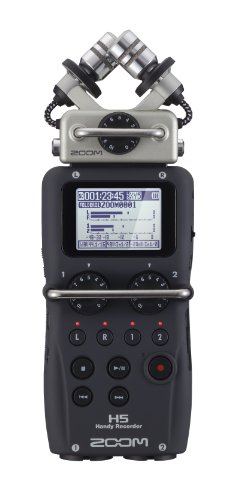
- Interchangeable capsules support flexible microphone setups.
- Two XLR/TRS inputs offer phantom power and a -20dB pad.
- Four-track recording plus multichannel USB audio.
Best For: Filmmakers and musicians needing expandable multichannel recording.
Best Everyday Field Recorder
- 32-bit float recording for clip-free audio
- Built-in X/Y stereo microphones
- USB-C microphone mode and lightweight design
Best For: Portable content, music, interviews, and everyday recording
Best XLR Field Recorder

- Two locking XLR/TRS combo inputs
- 32-bit/96kHz recording
- Waveform display and SDXC support up to 1TB
Best For: External microphones, instruments, filmmaking, and podcasts
Best Versatile Field Recorder

- Three microphones with nine recording patterns
- Mono, stereo, and surround recording
- USB microphone use with simultaneous SD backup
Best For: Flexible interviews, soundscapes, music, and filmmaking
Professional Pick – Zoom F3
For filmmakers and musicians who need dependable field recorders, the Zoom F3 focuses on clean, clip-resistant capture in demanding conditions. Its 32-bit float recording, dual locking inputs, and low-noise preamps make it well suited to unpredictable production environments.
Best For: Run-and-gun filmmakers, location recordists, and musicians using external microphones.
Pros:
- 32-bit float recording helps capture quiet dialogue and sudden peaks without constant level adjustments.
- Dual locking XLR/TRS inputs help keep connections secure in larger or remotely mounted rigs.
- Ultra-low-noise preamps support clean recordings in uncontrolled environments.
- Battery power and USB workflows provide flexible options for long recording sessions.
Cons:
- It relies on external microphones for recording rather than offering a built-in stereo microphone setup.
- Its professional input and control design may be more than casual note-taking requires.
The Zoom F3 is a focused choice when recording reliability matters more than a broad set of consumer conveniences. Its compact design and 32-bit float workflow are especially practical for unpredictable audio levels.
Long-Battery Value – Tonfarb 136GB Voice Recorder
The Tonfarb is a practical option among field recorders for lectures, meetings, interviews, and everyday voice capture. It combines one-click recording, voice activation, noise reduction, generous storage, and a rechargeable battery designed for extended sessions.
Best For: Students, journalists, meeting attendees, and anyone recording spoken content for long periods.
Pros:
- Built-in storage plus a complimentary 128GB TF card provides up to 136GB of capacity.
- Up to 68 hours of continuous recording supports back-to-back meetings or classes.
- One-click recording can start even when the device is powered off.
- Voice activation, automatic noise reduction, A-B repeat, and password protection add useful convenience.
Cons:
- Its built-in microphones and voice-focused design are less suited to professional external-microphone recording.
- The listed screen is relatively compact at 1.44 inches.
This recorder prioritizes capacity, battery life, and straightforward operation over advanced production connections. It is a sensible fit when the main goal is recording and reviewing speech with minimal setup.
Versatile Creative Pick – Zoom H4 Essential
The Zoom H4 Essential is one of the more flexible field recorders for creators who may move between music, podcasts, interviews, video, and live performances. It offers built-in stereo microphones, two XLR/TRS inputs, four-track recording, and USB-C connectivity for recording or streaming.
Best For: Musicians, podcasters, filmmakers, and creators who need multiple recording and connection options.
Pros:
- 32-bit float recording helps reduce concern about distorted takes across changing sound levels.
- Built-in stereo microphones and two XLR/TRS inputs accommodate different recording setups.
- Four-track recording supports larger projects and more involved captures.
- USB-C enables use with phones, tablets, or computers while also saving to an SD card.
Cons:
- Its 10-hour listed digital recording time is shorter than some voice-focused recorders.
- Two AA batteries are required for battery-powered operation.
The H4 Essential stands out when versatility is the priority. It can serve as a handheld recorder, external-input device, and USB audio interface, making it adaptable to a broad range of creative workflows.
Compact 32-Bit Choice – TASCAM DR-05XP
The TASCAM DR-05XP is a compact choice among field recorders for music, voice, meetings, and audio-for-video work. Its built-in omnidirectional condenser microphones, 32-bit float support, and USB-C audio interface provide a straightforward way to capture stereo sound and connect to a computer.
Best For: Musicians, podcasters, videographers, and users who want a portable stereo recorder with USB-C connectivity.
Pros:
- Supports 32-bit float, 24-bit, and 16-bit recording modes along with multiple sample rates.
- Omnidirectional condenser microphones handle sources up to 125dB SPL.
- USB-C 2-in/2-out audio interface supports direct computer recording.
- Lightweight 4.48-ounce design is convenient for portable recording.
Cons:
- SD card and batteries are not included.
- Its listed battery life is up to 17.5 hours, which is shorter than some voice recorders.
The DR-05XP offers a useful balance of portability, flexible recording formats, and computer connectivity. It is a strong everyday option for stereo capture when built-in microphones are preferred over a larger external-input rig.
Flagship Field Recorder – Zoom H5 Studio
The Zoom H5 Studio is a strong choice among field recorders for filmmakers and musicians who need detailed stereo sound, flexible inputs, and protection against clipped takes. Its 32-bit float recording, large X/Y microphones, and portable battery-powered design suit demanding location work.
Best For: Filmmakers and musicians recording professional-quality audio on location.
Pros:
- 32-bit float recording helps capture clip-free audio without losing takes.
- Large 19.4mm X/Y microphones provide rich, detailed stereo sound.
- Records up to four tracks simultaneously at up to 192kHz in WAV format.
- Dedicated gain knobs and two XLR/TRS inputs provide hands-on control.
Cons:
- Requires four AA batteries, which is more than the standard H5.
- Its advanced feature set may be more than casual users need.
Choose the H5 Studio if recording flexibility and clip-resistant capture matter more than keeping the setup minimal. It combines capable microphones, multi-track recording, and USB audio interface functionality in a portable format.
Ultra-Portable Field Recorder – Zoom H1essential
The Zoom H1essential is a compact option for field recorders shoppers who want straightforward stereo capture without manually setting gain. It offers 32-bit float recording, built-in X/Y microphones, USB-C connectivity, and an accessibility-focused audio guidance function.
Best For: Beginners, mobile creators, and anyone who prioritizes a lightweight recorder with simple operation.
Pros:
- 32-bit float recording reduces the need to set gain before recording.
- Built-in X/Y microphones capture audio up to 120 dB SPL.
- Works as a USB microphone with PCs, Macs, iOS devices, and Android devices.
- Audio guidance supports visually impaired users.
Cons:
- No dedicated headphones jack is listed.
- Its stated digital recording time is 120 minutes.
- Records at up to 96kHz, below the H5 Studio’s listed maximum.
The H1essential makes the most sense when portability and ease of use outweigh expanded inputs or longer recording capacity. At 3.2 ounces, it is especially convenient for quick stereo recordings and mobile USB use.
Expandable Field Recorder – Zoom H5 4-Track
The Zoom H5 4-Track is a versatile pick among field recorders for users who need interchangeable microphone capsules and multiple inputs. It supports four-track recording, two XLR/TRS combo inputs, phantom power, and direct recording to SD or SDHC cards.
Best For: Filmmakers and musicians who want expandable microphones and multichannel recording.
Pros:
- Interchangeable input capsules expand microphone options.
- Two XLR/TRS combo inputs include selectable phantom power and a -20dB pad.
- Records four tracks simultaneously and includes a stereo and multichannel USB audio interface.
- Detachable shock-mounted X/Y microphones help reduce handling noise.
Cons:
- Records to SD/SDHC cards up to 32GB, limiting listed storage capacity.
- Uses two AA batteries and has a stated recording time of 10 hours.
- It does not list the H5 Studio’s 32-bit float recording capability.
The standard H5 is a practical choice when capsule compatibility and input expansion are central to your setup. It is particularly useful for video and music workflows that need external microphones, phantom power, and multitrack USB operation.
Best Everyday Field Recorder – Zoom H1 Essential
The Zoom H1 Essential is a compact choice for field recorders who want straightforward stereo audio capture for content, music, interviews, and everyday sound. Its built-in X/Y microphones and 32-bit float recording are designed to help produce clip-free recordings without complicated setup.
Best For: Content creators, musicians, podcasters, interviewers, and casual field recording.
Pros:
- 32-bit float recording helps deliver clip-free audio.
- Built-in X/Y stereo microphones capture natural-sounding sound.
- USB-C microphone mode works for streaming, calls, and computer or mobile recording.
- Lightweight 92 g design and up to 10 hours of battery life support portable use.
Cons:
- Uses two AAA batteries.
- Offers stereo built-in microphones rather than XLR inputs for external microphones.
This is a practical entry point for field recording when portability and ease of use matter more than multi-input flexibility. It suits quick recordings and creator workflows particularly well.
Best XLR Field Recorder – Zoom H1 XLR
The Zoom H1 XLR is a versatile option for field recorders who need to connect external microphones or instruments. Two locking XLR/TRS combo inputs, 32-bit/96kHz recording, and a waveform display make it suitable for more structured recording setups.
Best For: Filmmakers, musicians, podcasters, and users who need external microphone or instrument connections.
Pros:
- Two locking XLR/TRS inputs support microphones, instruments, and other sources.
- Records at up to 32-bit/96kHz for detailed audio.
- OLED waveform display helps with quick level monitoring.
- Supports SDXC cards up to 1TB and offers up to 18.5 hours of digital recording time.
Cons:
- Uses two AA batteries.
- Its external-input design is less minimal than a basic built-in-microphone recorder.
Choose this model when connection flexibility is central to your workflow. The XLR/TRS inputs give it a stronger role in interviews, film production, music, and podcast setups than a simple stereo recorder.
Best Versatile Field Recorder – Zoom H2 Essential
The Zoom H2 Essential gives field recorders more ways to shape a recording with three built-in microphones and nine selectable patterns. It can capture mono, stereo, or surround sound at up to 32-bit float/96kHz, making it a flexible choice for interviews, music, and soundscapes.
Best For: Journalists, podcasters, musicians, filmmakers, and users recording varied sound sources.
Pros:
- Three microphones and nine patterns provide broad recording flexibility.
- 32-bit float recording helps avoid clipping without constant gain adjustment.
- Can function as a USB microphone while recording to an SD card for backup.
- Offers up to 20 hours of battery life and Bluetooth timecode syncing for multiple units.
Cons:
- Uses two AA batteries.
- Its broader feature set may be more than needed for simple stereo recordings.
The H2 Essential is the strongest fit here for users who want one handheld recorder to cover intimate sources, wide soundscapes, and multi-unit projects. Its accessibility features and simultaneous USB/SD recording add practical versatility.
How We Picked the Best Field Recorders
We focused on the features that matter most in real-world portable recording: recording format, microphone design, input options, battery life, storage, monitoring, size, and overall versatility. The selection includes models for beginners as well as more capable recorders for filmmaking, music production, podcasting, and professional sound work.
We also considered workflow. A simple stereo recorder may be ideal for quick notes or ambient sound, while a model with XLR inputs, multitrack capability, or USB audio functionality can better support microphones, instruments, and computer-based production.
Quick Comparison
| Best For | Look For |
|---|---|
| Voice notes and interviews | Simple controls, built-in microphone, long battery life |
| Music and rehearsal recording | Stereo microphones, input gain control, WAV support |
| Filmmaking | Low-noise preamps, external microphone inputs, headphone monitoring |
| Unpredictable volume levels | 32-bit float recording and reliable limiter-free capture |
| Podcasting and streaming | USB microphone mode, XLR or TRS inputs, direct monitoring |
| Multitrack production | Multiple inputs, overdubbing, and four-track or multitrack support |
Key Buying Factors for Field Recorders
Recording Format and Headroom
WAV recording is preferable when you need editing flexibility and full-quality audio. MP3 can save storage space for spoken-word recordings. 32-bit float models offer substantial protection against clipping when volume levels change quickly, making them especially useful for location sound, live events, and unpredictable environments.
Microphones and Inputs
Built-in X/Y or stereo microphones are convenient for music, ambience, and interviews. If you plan to use lavaliers, shotgun microphones, mixers, or instruments, choose a recorder with the appropriate XLR, TRS, or combination inputs. Check whether phantom power is available for condenser microphones.
Portability and Controls
A compact recorder is easier to carry and position, but larger handheld models may provide better controls, stronger connectors, and more input flexibility. Physical buttons, a readable display, and quick access to gain and recording functions are valuable when working outdoors or while monitoring a scene.
Power, Storage, and Monitoring
Check battery type and expected runtime before buying. Removable SD or microSD storage is useful for longer sessions, while USB connectivity can simplify file transfers or let the recorder work as an audio interface. A headphone output is important for checking noise, distortion, and microphone placement while recording.
Who Should Buy Which Field Recorders?
Choose a compact stereo model if you want straightforward recording for lectures, interviews, rehearsals, travel, or everyday content. Pick a 32-bit float recorder if you often work in changing environments or cannot reset levels between takes. Filmmakers and serious musicians should prioritize external inputs, quiet preamps, phantom power, and headphone monitoring. Podcasters and creators may benefit most from USB audio support and simple computer integration.
Before buying, match the recorder to your microphone setup and typical recording conditions. The most advanced option is not always the best choice; a simpler unit can be faster and more reliable when portability and ease of use matter most.