
Clear dialogue can make or break a film, interview, or scripted video. The best lavalier microphone for filmmaking dialogue stays discreet on camera while capturing natural speech with minimal clothing noise and dependable output.
This roundup compares 10 wired and wireless options for different camera setups, budgets, and production styles. Use the guide below to narrow your choice by connectivity, placement, monitoring, range, and workflow.
Best 10 Lavalier Microphone for Filmmaking Dialogue Picks for 2026
Premium Discreet Pick
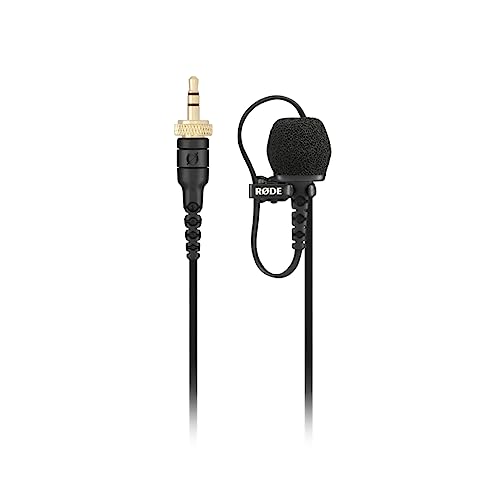
- Ultra-low-profile design for concealed placement
- Broadcast-grade omnidirectional audio
- Includes windshield, clip, and carrying case
Best For: Professional filmmaking and broadcast dialogue
Flexible Wireless Duo

- Two transmitters for dual-speaker recording
- Noise cancellation and gain controls
- Up to 54 hours with charging case
Best For: Mobile interviews and two-person filmmaking
Reliable Wired Value

- Standard 3.5mm TRS connectivity
- Discreet omnidirectional capsule
- Kevlar-reinforced cable and pop shield
Best For: Camera-based filmmaking and wired wireless systems
Feature-Rich Backup Recorder
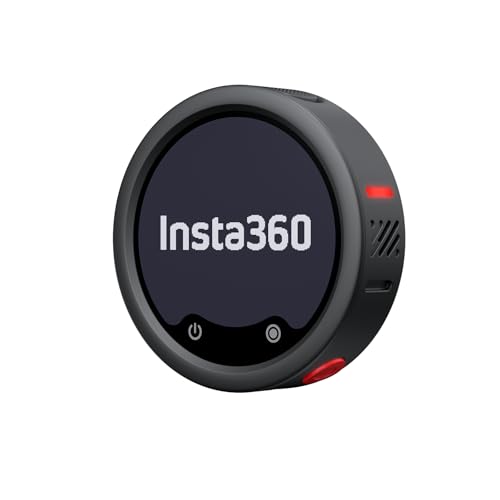
- 32-bit float internal recording
- Three-mic array with directional modes
- AI noise canceling and Bluetooth
Best For: Insta360 creators needing wireless backup audio
Best Wired Shure Pick

- Cardioid pickup helps reject unwanted noise
- Discreet clip-on design with windscreen
- TA4F connector for Shure bodypacks
Best For: Shure wireless setups and spoken dialogue
Best DJI-Compatible Lavalier

- Works with DJI Mic and DJI Mic 2
- Unidirectional pickup for focused voice capture
- Rotating design and secure cable routing
Best For: DJI wireless users recording interviews and dialogue
Best All-in-One Wireless Pick

- Works with phones, tablets, computers, and cameras
- Dual transmitters with up to 20 hours combined runtime
- Stated 328-foot range with noise reduction and low latency
Best For: Creators and small crews filming mobile interviews and moving dialogue
Best Simple Wired Option
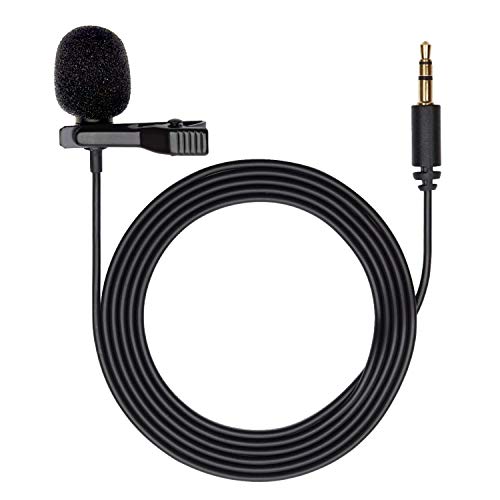
- Plug-and-play operation with 3.5mm TRS devices
- No separate batteries required
- 47-inch cable supports flexible placement
Best For: DSLR and camera users recording close-range dialogue
Premium Discreet Pick – RØDE Lavalier II
For filmmakers seeking a lavalier microphone for filmmaking dialogue, the RØDE Lavalier II emphasizes discreet placement and broadcast-grade capture. Its low-profile body, flat cable, and locking connector suit professional wireless microphone setups, while the omnidirectional pattern is forgiving for on-camera talent.
Best For: Professional filmmaking, broadcast, and dialogue recording where concealment matters.
Pros:
- Ultra-low-profile design with a compact clip and flat cable for easier concealment.
- Broadcast-grade sound with a flat frequency response and omnidirectional pickup.
- Includes a pop filter, furry windshield, clip, ID rings, and zip case.
- Locking connector supports professional wireless microphone systems.
Cons:
- May not work directly with phones and cameras without a suitable compatible device or adapter.
- Designed as a corded lavalier, so it requires a separate audio device or wireless system.
The Lavalier II is a strong choice when clean dialogue and discreet wardrobe placement take priority. Verify connector and device compatibility before purchasing.
Flexible Wireless Duo – Hollyland Lark A1
The Hollyland Lark A1 is a practical lavalier microphone for filmmaking dialogue when a wireless, two-person setup is useful. Its two transmitters, USB-C receiver, noise cancellation, gain adjustment, and long stated battery life support mobile recording, interviews, and compact video rigs.
Best For: Two-person interviews, mobile filmmaking, vlogging, and phone-based video recording.
Pros:
- Includes two transmitters and a USB-C receiver for dual-channel recording.
- Offers 3-level intelligent noise cancellation, 6-level gain adjustment, and clip protection.
- Supports 48kHz/24-bit audio, with EQ and reverb adjustment features.
- Up to 54 hours of alternating transmitter use with the charging case.
Cons:
- The supplied receiver is USB-C, so other devices may require a compatible connection solution.
- Noise cancellation and processing settings may require careful adjustment for natural dialogue.
Choose the Lark A1 if fast setup and two-speaker coverage matter more than using a traditional wired lavalier. Its included case and dual transmitters make it especially adaptable for mobile crews.
Reliable Wired Value – RØDE Lavalier GO
The RØDE Lavalier GO is a straightforward lavalier microphone for filmmaking dialogue, using a standard 3.5mm TRS connector for cameras, audio interfaces, and wireless transmitters. Its discreet capsule, forgiving omnidirectional pattern, and reinforced cable make it well suited to fast-moving shoots.
Best For: Camera operators and filmmakers who need a durable wired lavalier with broad 3.5mm compatibility.
Pros:
- Standard 3.5mm TRS connector works with many cameras, interfaces, and wireless transmitters.
- Sub-miniature capsule provides discreet placement and broadcast-grade audio capture.
- Omnidirectional pickup is forgiving when talent placement changes.
- Kevlar-reinforced 1.2m cable and included pop shield support regular production use.
Cons:
- Wired operation requires routing the cable to a camera, recorder, or transmitter.
- Requires a compatible device or wireless transmitter rather than operating independently.
The Lavalier GO is a dependable option for crews that prefer a conventional 3.5mm lavalier. It balances discreet placement, durable construction, and flexible device compatibility without adding wireless controls.
Feature-Rich Backup Recorder – Insta360 Mic Pro
The Insta360 Mic Pro brings a feature-rich approach to a lavalier microphone for filmmaking dialogue. Its three-mic array, directional pickup modes, AI noise canceling, Bluetooth connectivity, and 32-bit float internal recording make it useful when streamlined wireless capture and a backup recording are priorities.
Best For: Insta360 camera users, mobile creators, and filmmakers who value internal backup recording.
Pros:
- 32-bit float internal recording provides a backup with a wide dynamic range.
- Three built-in microphones and three directional pickup modes support flexible capture.
- AI noise canceling, automatic gain control, and Bluetooth simplify recording.
- Up to 10 hours of transmitter battery life and support for pairing with multiple receivers.
Cons:
- The listed compatible devices focus on Insta360 cameras and supported phones rather than universal camera compatibility.
- It is a transmitter-style microphone, so compatibility should be confirmed before use with a particular camera.
The Mic Pro stands out for creators who want wireless convenience plus an onboard safety recording. Its strongest fit is within the listed Insta360 ecosystem, where direct camera connection can streamline production.
Best Wired Shure Pick – Centraverse CVL Lavalier
For filmmakers who already use Shure wireless bodypacks, the Shure Centraverse CVL is a discreet, wired lavalier microphone for filmmaking dialogue. Its cardioid condenser capsule is tuned for speech and helps reject unwanted sound, while the included windscreen helps reduce plosives, wind, and breath noise.
Best For: Filmmakers using Shure wireless systems who want a low-visibility clip-on microphone for clear spoken dialogue.
Pros:
- Cardioid pattern helps reject unwanted noise.
- Small design and included tie clip support discreet placement.
- Windscreen helps reduce plosives, wind, and breath sounds.
- TA4F (TQG) connector integrates with Shure wireless bodypacks.
Cons:
- Uses a Shure TA4F (TQG) connector rather than a standard 3.5mm plug.
- Requires an appropriate power source because it is a condenser microphone.
The CVL is a focused choice for dialogue capture within a Shure-based setup. Its speech-oriented response and directional pickup are useful on set, but compatibility should be confirmed before purchase.
Best Wireless Camera Kit – Movo NanoMic Wireless Lavalier
The Movo NanoMic is a flexible lavalier microphone for filmmaking dialogue with DSLR, mirrorless, and camcorder cameras that have a 3.5mm TRS input. Its two transmitters, 2.4GHz wireless connection, noise reduction, and anti-clipping processing suit interviews and run-and-gun shoots.
Best For: Camera operators who need a compact dual-microphone wireless kit for interviews, two-person dialogue, and mobile production.
Pros:
- Includes two lightweight transmitters and a camera receiver.
- Supports 16-bit/48kHz audio and a 20Hz–20kHz frequency response.
- Three noise-cancellation levels and anti-clipping help manage difficult locations.
- Offers up to six hours of transmitter runtime, with an additional 30 hours from the charging case.
Cons:
- Designed for cameras with a standard 3.5mm TRS microphone input.
- Omnidirectional microphones may pick up more surrounding sound than a directional lavalier.
With two transmitters and a charging case, the NanoMic is especially practical for interviews and scenes involving multiple speakers. Its compact wireless design reduces cable management, while the camera-focused TRS connection keeps setup straightforward.
Best DJI-Compatible Lavalier – DJI Lavalier Microphone
The DJI Lavalier Microphone is a compact lavalier microphone for filmmaking dialogue designed to work with DJI Mic and DJI Mic 2 systems. Its unidirectional pickup, rotating design, and cable-routing feature help with discreet placement and reduce the chance of an accidental unplug during interviews or moving shots.
Best For: DJI Mic and DJI Mic 2 users who want a small wired lavalier for interviews, vlogs, livestreams, and dialogue recording.
Pros:
- Compatible with DJI Mic and DJI Mic 2.
- Unidirectional pattern is suited to focused voice capture.
- Rotating design allows flexible positioning.
- Cable routing helps prevent accidental unplugging.
Cons:
- Compatibility is centered on DJI Mic and DJI Mic 2 receivers.
- Only one lavalier microphone is included.
This microphone makes the most sense as a dedicated add-on for an existing DJI wireless setup. Its small form and cable-management features are useful when concealment and secure connections matter more than building a complete wireless kit.
Best All-in-One Wireless Pick – PQRQP GT20 Wireless Lavalier
For filmmakers seeking a lavalier microphone for filmmaking dialogue that works across phones, tablets, computers, and cameras, the PQRQP GT20 offers a flexible wireless setup. Its dual transmitters, 328-foot stated range, noise reduction, and included device connectors make it suited to mobile interviews and moving shots.
Best For: Content creators and small crews filming interviews, live streams, and dialogue across multiple device types.
Pros:
- Supports iPhone, Android, iPad, laptop, and camera connections through the included receiver and connectors.
- Dual microphones provide up to 20 hours of combined runtime, with up to 10 hours from a single charge.
- Offers a stated 328-foot range, low latency, noise reduction, windproof cotton covers, and one-touch mute.
Cons:
- Its omnidirectional pickup can capture sound from all directions, so careful mic placement is still important.
- The feature set, including reverb, may be more than needed for straightforward dialogue recording.
The GT20 is the most versatile option here for filmmakers who need wireless freedom and broad device compatibility. It is a practical choice for mobile production, though a wired lav may be simpler when you only use a 3.5mm camera input.
Best Simple Wired Option – Movo DOM1 Camera Lavalier
The Movo DOM1 is a straightforward lavalier microphone for filmmaking dialogue when your camera or recorder has a 3.5mm TRS input. Its plug-and-play design requires no separate batteries, while the 47-inch cable provides useful slack for positioning the microphone on a subject.
Best For: DSLR and camera users who want a simple wired lavalier for vlogs, interviews, and video dialogue.
Pros:
- Plugs directly into compatible 3.5mm TRS devices with no batteries required.
- Omnidirectional pickup records sound from all sides for a natural, immersive presentation.
- The 47-inch flexible cable allows movement and easier mic placement during filming.
Cons:
- It is limited to devices with a compatible 3.5mm TRS connection.
- A wired cable can be less convenient than wireless equipment for subjects who move far from the camera.
The DOM1 favors reliability and simplicity over wireless flexibility. It makes sense for stationary or close-range camera work, especially when you want to avoid managing transmitter batteries during a shoot.
Best Replacement Lav – Saramonic SR-M1 Lavalier
The Saramonic SR-M1 is a compact wired lavalier microphone for filmmaking dialogue designed to connect to compatible wireless transmitters. Its 3.5mm plug-in-powered condenser capsule and omnidirectional pattern make it a useful replacement or backup for interviews, speeches, and video productions.
Best For: Filmmakers who need an affordable replacement or safety lav for compatible wireless microphone systems.
Pros:
- Designed for many popular systems, including DJI Mic, RODE Wireless GO, Hollyland Lark, Sennheiser, Deity, and Saramonic units.
- Omnidirectional pickup captures natural-sounding dialogue from 360 degrees.
- Compact and lightweight at 13.61 grams, making it easy to keep as a spare in a production bag.
Cons:
- Compatibility depends on the transmitter having a suitable 3.5mm input and matching connection requirements.
- It is a wired lavalier capsule, not a complete wireless microphone system.
- The supplied warranty is limited to three months.
The SR-M1 is best viewed as a practical accessory rather than a standalone kit. Its broad stated compatibility and small size make it particularly valuable as a backup lav or replacement for an existing wireless setup.
How We Picked the Best Lavalier Microphone for Filmmaking Dialogue
We focused on microphones suited to spoken dialogue rather than general-purpose music recording. The selection includes compact wired lavaliers, camera-ready TRS models, professional condenser options, and wireless systems designed for phones, cameras, and fast-moving productions.
Our comparison emphasizes connection type, device compatibility, microphone visibility, power requirements, transmission range, battery considerations, and practical reliability. For filmmaking, a microphone is only useful if it integrates cleanly with the rest of the recording chain, so adapters, transmitters, receivers, and monitoring options matter as much as the capsule itself.
Quick Comparison
Wired models such as the RØDE Lavalier II, RØDE Lavalier GO, Shure Centraverse CVL, Movo DOM1, and Saramonic lavalier are generally simple, lightweight, and free from wireless battery concerns. They work well when the subject can remain near a camera, recorder, or compatible transmitter.
Wireless choices such as the Hollyland Lark A1, Insta360 Mic Pro, Movo NanoMic, DJI Lavalier Microphone, and PQRQP system are more practical for walking interviews, multi-person scenes, and creator workflows. However, they require closer attention to pairing, charging, signal range, connector compatibility, and backup recording.
Key Buying Factors for a Lavalier Microphone for Filmmaking Dialogue
Compatibility and Connectors
Check whether your device accepts 3.5mm TRS, 3.5mm TRRS, USB-C, Lightning, or a proprietary wireless receiver. A camera input and a smartphone input may require different adapters, and an incompatible plug can result in weak or missing audio.
Wired Versus Wireless Operation
Wired lavaliers reduce setup complexity and avoid radio dropouts, but cable management can limit movement. Wireless systems provide cleaner mobility and faster placement, though they add batteries, pairing steps, and another possible point of failure.
Sound, Placement, and Clothing Noise
Look for an omnidirectional or otherwise suitable pickup pattern for natural speech, then place the capsule consistently near the upper chest. A low-profile design, windscreen, and secure clip can reduce rustle, bumps, and visible hardware. Always perform a short clothing-noise test before recording.
Monitoring and Backup Recording
Headphone monitoring is valuable for catching interference, cable faults, and overloaded input levels. For important dialogue, choose a system with onboard recording or use a second recording source whenever possible.
Who Should Buy Which Lavalier Microphone for Filmmaking Dialogue?
Choose a wired lavalier if you want the simplest and most affordable setup for controlled shoots, studio interviews, or a transmitter you already own. The RØDE, Shure, Movo, and Saramonic options suit different connector and compatibility needs.
Choose a wireless system for moving subjects, run-and-gun filmmaking, social video, or two-person interviews. Prioritize the receiver connection that matches your camera or phone, then verify battery life and usable range for your locations.
Choose a discreet professional-style lavalier when appearance and consistent dialogue quality matter most. Regardless of model, record a test clip, secure the cable, protect the capsule from wind, and set conservative input levels before the main take.