
Shopping for laptops under 1000 does not have to mean settling for slow performance or a cramped screen. Today’s budget-friendly models can handle schoolwork, office tasks, streaming, and light multitasking with ease.
In this roundup, we focused on practical value: responsive processors, enough memory for smooth daily use, solid storage options, and displays that are comfortable to live with.
Best 10 Laptops Under 1000 Picks for 2026
Everyday Value Pick

- Thin, light 15.6-inch laptop for easy carry
- Ryzen 3 7320U with 8GB LPDDR5 and 128GB NVMe SSD
- Full HD IPS display, Wi-Fi 6, and Bluetooth
Best For: Students and families needing a simple daily-use laptop
Budget Multitasker
15.6" AI Laptop with Office 365
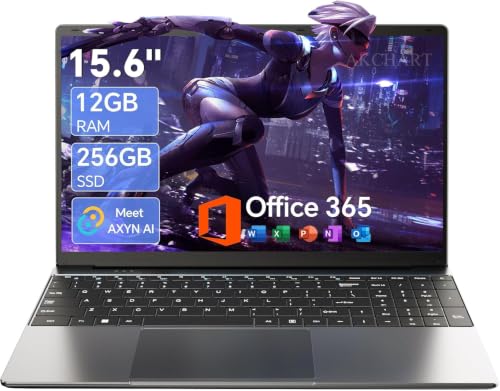
- 12GB RAM and 256GB SSD for everyday multitasking
- 15.6-inch Full HD IPS display with narrow bezels
- Office 365 included plus expandable storage
Best For: Students and office users needing an inexpensive ready-to-go laptop
Balanced Performance Pick

- Ryzen 5 7520U with 8GB memory for solid everyday use
- 512GB SSD offers ample storage space
- Fast charging, webcam shield, and military grade durability
Best For: Users who want a balanced school-and-work laptop
Budget AI Everyday Pick
Acer Aspire Go 15 AI Ready Laptop
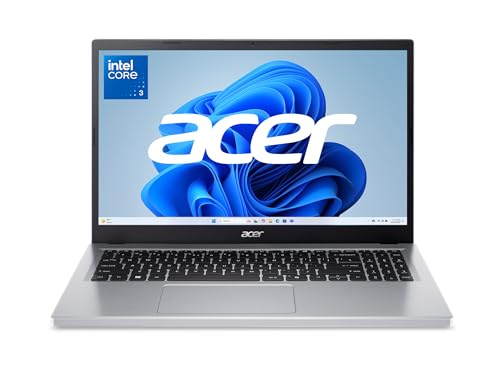
- Core 3 N355 plus 8GB DDR5 for everyday tasks
- 15.6-inch Full HD IPS display for browsing and streaming
- Wi-Fi 6, dual USB-C, and Copilot support
Best For: students and casual users who want an affordable everyday laptop
Big-Screen Value Pick

- 17.3-inch anti-glare HD+ display for roomy viewing
- 16GB RAM and 512GB SSD for smooth everyday use
- Ryzen 5 7520U with Radeon Graphics for home tasks
Best For: home users who want a big display and strong storage
Balanced Everyday Pick
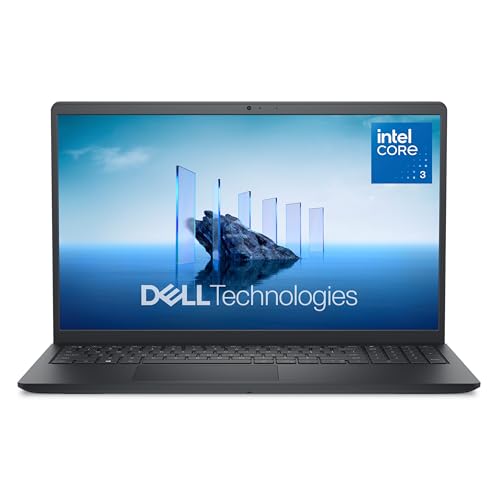
- 15.6-inch Full HD matte display with 120Hz refresh rate
- 512GB SSD and 8GB RAM for everyday use
- Numeric keypad and ComfortView improve usability
Best For: students and everyday users who want a balanced 15.6-inch laptop
Everyday Touch-Friendly Value

- Touchscreen makes navigation quick and easy.
- Ryzen 3 and 8 GB RAM suit everyday tasks.
- 128 GB SSD and privacy controls add practicality.
Best For: students or home users who want a simple touch laptop
Balanced Workhorse Pick
Lenovo V15 Ryzen 5 Business Laptop

- Ryzen 5, 16 GB RAM, and 512 GB SSD boost productivity.
- 15.6-inch FHD display is sharper for daily work.
- HDMI, RJ45, USB-C, and numeric keypad add flexibility.
Best For: business users and multitaskers who want stronger specs
Big-Screen Media Choice
HP OmniBook 3 17.3 inch Laptop
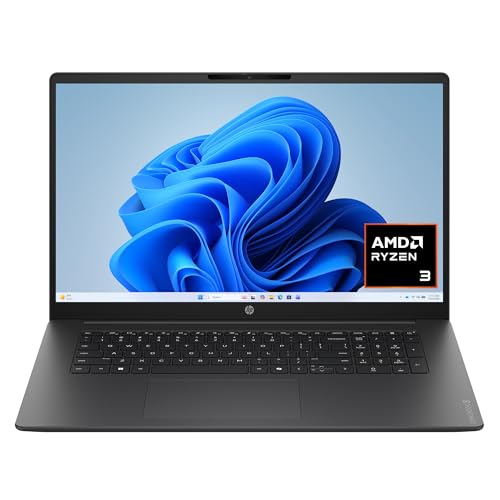
- 17.3-inch FHD IPS display gives you more screen space.
- 512 GB SSD and 8 GB LPDDR5 RAM support daily use.
- Up to 14 hours 15 minutes of battery life is a plus.
Best For: buyers who want a large screen for entertainment and multitasking
Everyday Value Pick – Acer Aspire 3 15.6" Ryzen 3
If you’re shopping for laptops under 1000 and want a straightforward machine for school, family use, or light productivity, the Acer Aspire 3 keeps the focus on the essentials. It pairs a Ryzen 3 7320U with 8GB LPDDR5 memory, a 128GB NVMe SSD, and a 15.6-inch Full HD IPS display, giving you a practical setup for everyday tasks without adding extra bulk.
Best For: Students, families, and users who want a simple, lightweight laptop for daily work.
Pros:
- Thin, light design makes it easy to travel with.
- 15.6-inch Full HD IPS screen with narrow bezels for clear viewing.
- Ryzen 3 7320U and Radeon Graphics handle basic productivity well.
- Wi-Fi 6, Bluetooth, and USB/HDMI connectivity cover core needs.
Cons:
- 128GB storage is modest if you keep lots of files locally.
- 8GB RAM is fixed at the listed capacity.
- Best suited to light use rather than demanding creative work.
This is a sensible pick if you want a no-fuss Windows laptop with modern wireless support and a full-size display. It stands out more for practical everyday usability than for high-end performance.
Budget Multitasker – 15.6" AI Laptop with Office 365
For shoppers comparing laptops under 1000, this 15.6-inch model leans into value by bundling a Full HD IPS display, 12GB RAM, a 256GB SSD, and Office 365. The Celeron J4105 is aimed at everyday work rather than heavy workloads, but the added memory, storage expandability, and 7000mAh battery make it a practical fit for basic study and office tasks.
Best For: Budget-conscious buyers who want a ready-to-use laptop for classes, documents, and everyday browsing.
Pros:
- 12GB RAM helps with smoother multitasking for daily use.
- 256GB SSD with expansion options up to 2TB and TF support.
- Full HD IPS display offers wide viewing angles and sharp detail.
- Includes Office 365, Windows 11, and a 180-degree hinge.
Cons:
- Celeron J4105 is best for light productivity, not demanding apps.
- Bluetooth 4.2 is older than current standards.
- Storage starts at 256GB before expansion.
This is a useful low-cost package if you want more memory and bundled software than many entry-level laptops offer. It makes the most sense for schoolwork, web use, and simple productivity.
Balanced Performance Pick – ASUS Vivobook Go 15 Ryzen 5
Among laptops under 1000, the ASUS Vivobook Go 15 stands out as a balanced everyday option with a Ryzen 5 7520U, 8GB memory, and a roomy 512GB SSD. Its 15.6-inch NanoEdge display, slim design, and fast charging support make it a strong fit for users who want a little more headroom for multitasking without moving into premium pricing.
Best For: Buyers who want a well-rounded Windows laptop for work, school, and everyday browsing.
Pros:
- Ryzen 5 7520U offers stronger everyday performance than entry-level chips.
- 512GB SSD provides generous built-in storage.
- 15.6-inch NanoEdge display has a slim bezel design.
- Military grade durability, fast charging, and webcam shield add practical value.
Cons:
- 8GB memory may feel limited for heavier multitasking.
- Wi-Fi 5 is less current than Wi-Fi 6.
- Display brightness and color specs are modest at 250 nits and 45% NTSC.
If you want a laptop that feels more capable than the most basic budget models, this Vivobook Go is a compelling middle ground. It focuses on everyday speed, storage, and convenience features rather than flashy extras.
Spacious RAM Choice – HP 255 G10 Ryzen 3 16GB
If you are narrowing down laptops under 1000 and want extra memory for smooth daily use, the HP 255 G10 is worth a look. It combines a Ryzen 3 7330U, 16GB RAM, and a 256GB SSD with a 15.6-inch Full HD display, giving you a practical setup for multitasking, web work, and standard Windows use.
Best For: Buyers who prioritize memory capacity and a larger screen for everyday productivity.
Pros:
- 16GB RAM is strong for everyday multitasking.
- Ryzen 3 7330U delivers efficient 4-core performance.
- 15.6-inch Full HD LED-backlit display provides crisp visuals.
- Lightweight, portable notebook design suits mobile workstyles.
Cons:
- 256GB SSD is adequate but not oversized.
- Integrated Radeon Graphics are geared toward general use, not gaming.
- Best fit is productivity rather than creative or heavy-duty workloads.
This HP makes a strong case if your priority is smooth multitasking over maximum storage. The combination of 16GB RAM and a Full HD screen gives it an edge for people who keep lots of tabs and apps open.
Budget AI Everyday Pick – Acer Aspire Go 15 AI Ready Laptop
If you’re comparing laptops under 1000 for school, browsing, video calls, and light multitasking, the Acer Aspire Go 15 keeps things simple and practical. It pairs a Core 3 N355 processor with 8GB DDR5 memory, a 128GB UFS drive, and a 15.6-inch Full HD IPS display for everyday use.
Best For: Students and casual users who want an affordable, AI-ready everyday laptop with solid battery life.
Pros:
- Intel Core 3 N355, 8GB DDR5, and 128GB UFS cover basic productivity well.
- 15.6-inch 1080p IPS screen is good for web browsing and streaming.
- Dual USB-C ports, Wi-Fi 6, and HDMI 2.1 add flexible connectivity.
- Copilot key, AcerSense, and voice/call enhancements help with everyday convenience.
Cons:
- 128GB storage is modest if you keep lots of files locally.
- 8GB memory is fine for light use, but not ideal for heavier multitasking.
- Windows 11 Home in S mode may require switching out for broader app support.
Overall, this Aspire Go 15 is a straightforward pick if you want the core features most shoppers need without paying for extras. It fits best as a budget-friendly daily driver rather than a machine for demanding workloads.
Big-Screen Value Pick – HP 17.3 inch Laptop
Among laptops under 1000, this HP stands out if you want a roomy screen and strong storage for home use. The 17.3-inch HD+ anti-glare display, Ryzen 5 7520U, 16GB LPDDR5 memory, and 512GB SSD make it a comfortable fit for everyday work, entertainment, and multitasking.
Best For: Home users who want a large display, plenty of memory, and fast storage in a budget-friendly laptop.
Pros:
- 17.3-inch anti-glare HD+ display gives you lots of screen space.
- 16GB LPDDR5 RAM and 512GB NVMe SSD support responsive daily use.
- Ryzen 5 7520U and Radeon Graphics handle general productivity and entertainment.
- Physical camera shutter, AI noise reduction, and Copilot button add useful extras.
Cons:
- HD+ resolution is lower than Full HD, so text and media are less sharp.
- At 4.6 pounds, it’s less portable than smaller laptops.
- The USB-C port is for data only, so it won’t handle charging or external displays.
If screen size matters more to you than portability, this HP is an easy laptop under 1000 to shortlist. It offers a practical blend of memory, storage, and comfort features for everyday home computing.
Balanced Everyday Pick – Dell 15.6 Laptop
If you want a dependable option in laptops under 1000 for school, work, or entertainment, the Dell 15 keeps the focus on practicality. It combines an Intel Core 3 100U processor, 8GB RAM, and a 512GB SSD with a 15.6-inch Full HD matte display and Wi-Fi 6.
Best For: Students and everyday users who want a balanced 15.6-inch laptop with a Full HD display and roomy keyboard.
Pros:
- Full HD 15.6-inch matte display with 120Hz refresh rate.
- 512GB SSD provides solid storage for files and apps.
- Roomy keyboard with numeric keypad suits typing and spreadsheets.
- Lift hinge, ComfortView, and 1-year onsite service add everyday convenience.
Cons:
- 8GB RAM is enough for basics, but not ideal for heavy multitasking.
- Integrated Intel UHD Graphics limits gaming and creative workloads.
- No fingerprint reader or touchscreen features are listed.
As a general-purpose laptop, this Dell offers a sensible mix of display quality, storage, and usability features. It is a strong fit if you want a straightforward machine for daily tasks rather than a performance-first laptop.
Everyday Touch-Friendly Value – HP 15.6 inch Ryzen 3 Laptop
If you’re shopping for laptops under 1000 for basic productivity, the HP 15.6-inch model is built around convenience and everyday use. It combines a touchscreen, Ryzen 3 power, and a lightweight-feeling feature set for browsing, schoolwork, streaming, and casual multitasking.
Best For: Students or home users who want a touch-enabled Windows laptop for daily tasks and video calls.
Pros:
- Micro-edge HD touchscreen supports tap, swipe, and pinch navigation.
- AMD Ryzen 3 7320U and 8 GB LPDDR5 RAM handle routine work smoothly.
- 128 GB PCIe NVMe SSD helps with faster boot times than a traditional hard drive.
- Physical camera shutter and mic mute button add privacy-focused controls.
Cons:
- 1366 x 768 HD resolution is lower than Full HD.
- 128 GB of storage is limited if you keep lots of files locally.
This HP is a practical pick if you want simple touchscreen control and solid everyday responsiveness without paying for higher-end specs. It makes the most sense for lighter workloads rather than demanding creative or gaming use.
Balanced Workhorse Pick – Lenovo V15 Ryzen 5 Business Laptop
Among laptops under 1000, the Lenovo V15 stands out for buyers who want stronger specs for work and multitasking. Its Ryzen 5 processor, 16 GB of RAM, and 512 GB SSD give it a more capable feel for office apps, lots of browser tabs, and day-to-day business use.
Best For: Business users, students, or home office buyers who want more memory and storage for multitasking.
Pros:
- Ryzen 5 5500U offers 6 cores and 12 threads for responsive performance.
- 16 GB RAM and 512 GB SSD provide strong multitasking headroom.
- 15.6-inch FHD display gives a sharper view than basic HD panels.
- Includes HDMI, RJ45, USB-C, and a numeric keypad for work-friendly connectivity.
Cons:
- Integrated graphics are best for everyday computing, not heavy creative or gaming loads.
- It is positioned as a traditional clamshell business laptop, so portability is not its main focus.
This Lenovo is the most balanced option here if you care about speed, storage, and productivity features over extras like touch input. It feels like the strongest all-around value for work-focused buyers.
Big-Screen Media Choice – HP OmniBook 3 17.3 inch Laptop
If your priority in laptops under 1000 is screen size, the HP OmniBook 3 brings a roomy 17.3-inch Full HD IPS display to the table. It pairs that large panel with a Ryzen 3 processor, 8 GB of LPDDR5 RAM, and a 512 GB SSD for comfortable streaming, everyday computing, and video calls.
Best For: Buyers who want a large display for entertainment, multitasking, and comfortable viewing.
Pros:
- 17.3-inch FHD IPS display offers wide viewing angles and a big workspace.
- 512 GB SSD and 8 GB LPDDR5 RAM support smooth everyday performance.
- Up to 14 hours and 15 minutes of battery life adds strong mobility potential.
- AI noise reduction and FHD HDR camera improve call quality.
Cons:
- Large 17.3-inch size is less travel-friendly than smaller laptops.
- Ryzen 3 and integrated graphics are aimed at everyday use, not demanding workloads.
This HP is the best fit if you want a bigger screen without moving into a premium price tier. It is especially appealing for media, casual productivity, and anyone who prefers more on-screen space.
How We Picked the Best Laptops Under 1000
We prioritized Laptops Under 1000 that offer the strongest mix of performance, usability, and long-term value. That means looking beyond the processor name and checking memory, SSD capacity, screen resolution, battery-friendly hardware, and build quality. We also favored models that are realistic for everyday buyers, not just good on paper.
Quick Comparison: What Stands Out
As a group, these laptops cover a useful range of needs. Some emphasize portability and lower power draw, while others lean into bigger 15.6-inch or 17.3-inch displays for easier multitasking. A few options bring 16GB RAM and 512GB SSD storage, which is especially helpful if you keep many browser tabs, work files, and apps open at once.
Key Buying Factors for Laptops Under 1000
Processor and Real-World Speed
For everyday use, look for modern entry-level or midrange chips that can handle web browsing, document editing, video calls, and light creative work. If you want smoother multitasking, a Ryzen 5-class or similar processor is generally a better choice than the most basic entry-level option.
Memory and Storage
RAM matters more than many buyers expect. Eight gigabytes is workable for basic use, but 12GB or 16GB is noticeably better if you keep multiple apps open. For storage, SSDs are essential. A 256GB drive is a practical minimum, while 512GB gives you more breathing room for files, photos, and software.
Display Size and Resolution
Most Laptops Under 1000 land in the 15.6-inch range, which offers a balanced mix of portability and comfort. If you want more workspace, a 17.3-inch model is easier on the eyes. Full HD displays are worth prioritizing because they usually look sharper for text, streaming, and spreadsheets than HD panels.
Ports, Keyboard, and Everyday Comfort
Small details make a big difference in daily use. Check for enough USB ports, HDMI support if you connect to a monitor, and a keyboard layout that feels comfortable for long sessions. If you plan to carry your laptop often, weight and battery-focused design should matter as much as raw specs.
Who Should Buy Which Laptops Under 1000?
Students and casual users should focus on lightweight, dependable laptops with at least 8GB RAM and an SSD. Office workers and multitaskers will usually be happier with 16GB RAM and 512GB storage. If you spend more time watching content or working side by side with documents, a larger screen can be the smarter tradeoff. In short, the best choice among Laptops Under 1000 depends on whether you value portability, speed, storage, or screen space most.