
Choosing the right laptop for podcasting can make every part of your workflow easier, from recording clean audio to editing multi-track sessions and managing livestreams.
This roundup focuses on fast, dependable laptops with enough memory, storage, and battery life to handle podcast production without slowing you down.
Best 10 Laptop for Podcasting Picks for 2026
Portable Mac Option

- A18 Pro chip with 8GB unified memory
- 1080p camera and dual-mic array
- Light 2.71-pound aluminum design
Best For: Mac users who want a lightweight laptop for podcasting and video calls
Budget Cloud-Style Choice
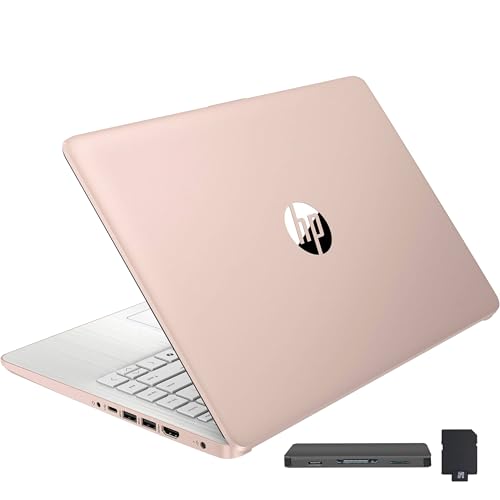
- 16GB RAM in a compact 14-inch chassis
- 720p webcam and combo audio jack
- Includes docking station set and extra storage
Best For: Budget buyers who need a basic laptop for light podcasting tasks
Pro Creator Pick
Ryzen 7 Pro Power for Podcasting

- Ryzen 7 Pro 6850U with 8 cores
- 32GB RAM and 1TB SSD
- Backlit keyboard plus fingerprint reader
Best For: Podcasters who want strong editing performance and lots of storage
Budget Starter Choice
Simple HP 15.6 for Podcast Basics

- Light 3.64 lb build for portability
- Wi‑Fi 6, HDMI, and headphone jack
- 8GB RAM with 256GB SSD
Best For: Beginners who want a basic, affordable podcasting laptop
Balanced All-Rounder
Acer Aspire Go 15 for Podcasting
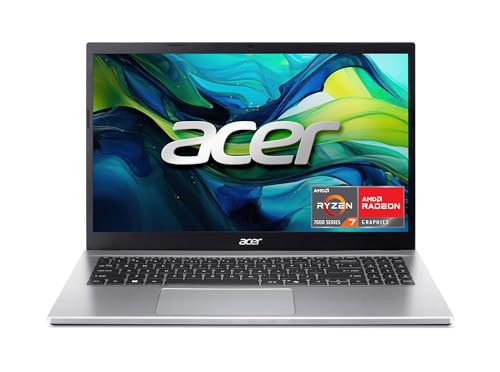
- Ryzen 7 7730U with 16GB RAM
- 512GB PCIe Gen4 SSD for projects
- PurifiedVoice and USB-C connectivity
Best For: Podcasters who want a dependable midrange machine for everyday work
High-Memory All-Rounder
Lenovo IdeaPad 15.6" FHD Touchscreen Laptop

- 40GB RAM for heavy multitasking
- 2TB SSD for massive project storage
- Dual-array mics and Dolby Audio support podcasting
Best For: Podcasters who juggle recording, editing, and lots of open apps
Balanced Creator Pick
Lenovo V15 15.6" FHD Ryzen 5 Laptop

- Ryzen 5 5500U with 16GB RAM
- FHD display for clearer editing
- USB-C, HDMI, RJ45, and combo audio
Best For: Creators who want a practical all-around podcasting laptop
Everyday Productivity Pick – Dell 15 Laptop for Podcasts
If you want a laptop for podcasting that handles recording, editing, and everyday admin without feeling fussy, the Dell 15 is a practical pick. Its Core i5-1334U, 16GB RAM, and 512GB SSD give you enough headroom for common podcast workflows, while the 15.6-inch FHD 120Hz display and backlit keyboard make longer sessions easier to work through.
Best For: Podcasters who want a reliable Windows laptop for everyday recording, editing, and general productivity.
Pros:
- Intel Core i5-1334U and 16GB RAM support routine podcast editing and multitasking.
- 512GB SSD gives you solid local storage for project files and audio exports.
- Backlit keyboard, numeric keypad, and lifted hinges improve comfort during long work sessions.
- HDMI, USB, Bluetooth, and Wi-Fi connectivity help with peripherals and external displays.
Cons:
- Integrated Intel UHD Graphics are aimed at everyday use, not heavy creative workloads.
- 3.64-pound build is portable, but not especially light for constant travel.
This Dell 15 makes sense if you need a straightforward, well-equipped machine for podcasting tasks and don’t need premium creator hardware. The onboard service support is also a nice plus if you prefer less hassle after purchase.
Portable Mac Option – MacBook Neo for Voice Work
For a laptop for podcasting in a compact, easy-carry design, the MacBook Neo leans into portability and clear communication features. It combines the A18 Pro chip, 8GB unified memory, and a 13-inch Liquid Retina display with a 1080p FaceTime HD camera, dual-mic array, and side-firing speakers, which is useful for remote interviews, quick edits, and content review.
Best For: Mac users who want a lightweight laptop for podcasting, video calls, and mobile content work.
Pros:
- Very light at 2.71 pounds, with a durable aluminum design for easy travel.
- 1080p FaceTime HD camera and dual-mic array support clear calls and recordings.
- Up to 16 hours of battery life helps you work away from a charger.
- Liquid Retina display offers sharp text and vibrant visuals for editing and review.
Cons:
- 8GB unified memory may feel limited for heavier multitasking.
- 256GB SSD storage is modest if you keep lots of audio and project files locally.
The MacBook Neo is a strong fit if you value portability, battery life, and a polished media experience more than raw storage. It’s especially appealing for creators who already live in the Apple ecosystem.
Creator Power Pick – NIMO Ryzen 7 Podcast Laptop
If your laptop for podcasting also needs to handle OBS broadcasting, real-time encoding, and heavier multitasking, the NIMO 15.6 AI-Ready-Laptop is built for that kind of workload. The Ryzen 7 8745HS, 16GB RAM, 1TB SSD, and Radeon 780M graphics give it a much stronger spec sheet than a basic office machine, while the USB4 and HDMI 2.1 ports make it easy to connect recording gear and monitors.
Best For: Podcasters and creators who want stronger performance for live production, editing, and multi-monitor setups.
Pros:
- Ryzen 7 8745HS and 16GB RAM are well suited to demanding multitasking.
- 1TB SSD provides generous space for audio projects, video files, and exports.
- USB4, full-function USB-C, HDMI 2.1, and multiple USB-A ports support creator workflows.
- Privacy webcam shutter, fingerprint login, and backlit keyboard add practical everyday convenience.
Cons:
- More performance-oriented than basic podcasting setups may require.
- 15.6-inch chassis is less compact than smaller travel laptops.
This NIMO model stands out when podcasting is part of a broader creator setup that includes streaming or video production. The 2-year warranty also adds reassurance for users who depend on their laptop regularly.
Budget Cloud-Style Choice – HP Stream 14 Podcast Laptop
For a low-cost laptop for podcasting focused on light tasks, the HP Stream 14 keeps the formula simple: a compact 14-inch HD display, 16GB RAM, and a small-but-usable storage setup that includes 128GB eMMC plus a 160GB docking station set. It also includes a 720p webcam, Wi-Fi, and a headphone/microphone combo jack, which covers the basics for calls, note-taking, and simple audio work.
Best For: Budget buyers who need a basic Windows laptop for light podcast admin and online meetings.
Pros:
- 16GB RAM helps with general multitasking and light productivity.
- 720p webcam and combo audio jack support simple meeting and voice-chat use.
- 14-inch size and 3.24-pound weight keep it easy to carry.
- Bonus docking station set adds useful accessories and extra storage options.
Cons:
- Intel Celeron N150 is an entry-level processor, so performance is limited.
- 1366 x 768 resolution is basic for editing timelines and detailed work.
- Windows 11 in S Mode may require a switch for broader app flexibility.
The HP Stream 14 is best viewed as an affordable starter machine rather than a serious editing laptop. It works for straightforward podcast-related tasks, but users planning heavier production should look higher up the spec ladder.
Pro Creator Pick – Ryzen 7 Pro Power for Podcasting
If you need a laptop for podcasting that can keep up with recording, editing, and multitasking, this NIMO model brings a strong mix of speed and memory. The Ryzen 7 Pro 6850U, 32GB of LPDDR5 RAM, and 1TB SSD make it well suited for juggling audio software, browser tabs, and project files without feeling cramped.
Best For: Podcasters who want a more powerful machine for editing, storage-heavy workflows, and everyday productivity.
Pros:
- Ryzen 7 Pro 6850U with 8 cores and up to 4.7GHz boost
- 32GB RAM and 1TB PCIe 4.0 SSD for multitasking and file storage
- USB-C fast charging and a 9-hour battery life
- Backlit keyboard, fingerprint reader, and anti-glare 15.6″ IPS display
Cons:
- At 3.8 pounds, it is not the lightest option in this group
- Gaming-oriented design may be more machine than some podcast users need
Overall, this is the most capable pick here for creators who want extra headroom for audio editing and future growth. It is a practical choice if your podcast setup benefits from strong performance and plenty of storage.
Budget Starter Choice – Simple HP 15.6 for Podcast Basics
If you are looking for a laptop for podcasting on a tighter budget, this HP 15.6-inch model covers the basics without adding extra complexity. The Intel N100, 8GB of RAM, and 256GB SSD are aimed at everyday tasks, which makes it a sensible option for light recording, show planning, and managing files.
Best For: Beginners or budget-minded users who need a simple machine for basic podcast tasks and general daily use.
Pros:
- Lightweight 3.64 lb design for easy carrying
- 15.6″ anti-glare display and full-size keyboard with numeric keypad
- Wi-Fi 6, HDMI, USB ports, and headphone jack for flexible setup
- Includes Windows 11 Home and Microsoft 365 for web
Cons:
- Intel N100 and 8GB RAM are modest for heavier audio editing
- 256GB SSD may feel limited if you store many large audio projects
This HP is best viewed as a straightforward, value-focused choice rather than a high-performance creator laptop. For lighter podcasting needs, it should get the job done while keeping costs down.
Balanced All-Rounder – Acer Aspire Go 15 for Podcasting
The Acer Aspire Go 15 is a balanced laptop for podcasting if you want solid performance without jumping into a more specialized machine. Its Ryzen 7 7730U processor, 16GB of memory, and 512GB SSD should handle recording software, browser research, and light editing smoothly for most users.
Best For: Podcasters who want a dependable midrange laptop for recording, planning, and moderate editing.
Pros:
- Ryzen 7 7730U with 8 cores and up to 4.5GHz max speed
- 16GB RAM and 512GB PCIe Gen4 SSD
- PurifiedVoice and Acer TNR support clearer video calls
- Wi-Fi 6, HDMI 2.1, and full-function USB-C for connectivity
Cons:
- Integrated graphics are fine for productivity but not aimed at creative workloads beyond basics
- 3.9-pound weight is portable, but not especially lightweight
As a middle-ground option, this Acer makes sense if you want more breathing room than an entry-level laptop but do not need the highest-end specs. It is a practical fit for many podcasting workflows.
Budget Touchscreen Starter – HP Pavilion 15.6" HD Touchscreen Laptop
If you want a laptop for podcasting on a tighter budget, this HP Pavilion gives you the basics in a simple, workable package. The 16GB RAM and 1TB SSD help it handle recording software, browser tabs, and file storage without feeling cramped, while the touchscreen and full set of everyday ports make setup straightforward.
Best For: Podcasters who want an affordable, roomy-storage laptop for basic recording, editing, and everyday use.
Pros:
- 16GB RAM helps with multitasking during recording and editing sessions.
- 1TB SSD provides generous space for audio files and faster bootups.
- USB-C, USB-A, HDMI, and headphone/mic combo port support common podcast gear.
- Up to 11 hours of battery life is useful for portable use.
Cons:
- HD 1366 x 768 display is less sharp than full HD options.
- Core i3 processor is better for light to moderate workloads than heavy production.
- Integrated graphics and basic screen brightness keep it firmly in entry-level territory.
Overall, this is a practical starter option if your podcasting workflow is mostly voice recording, file management, and light editing. It stands out more for storage and memory than raw speed, so it makes the most sense for simpler setups.
High-Memory All-Rounder – Lenovo IdeaPad 15.6" FHD Touchscreen Laptop
This Lenovo IdeaPad is a strong laptop for podcasting if you want extra headroom for multitasking, editing, and managing lots of files. The 40GB RAM, 2TB SSD, dual-array microphones, and full HD touchscreen make it a well-rounded pick for creators who want a smoother day-to-day workflow.
Best For: Podcasters who need a powerful, roomy Windows laptop for recording, editing, conferencing, and multitasking.
Pros:
- 40GB RAM is excellent for keeping many apps and tabs open at once.
- 2TB SSD offers very large storage for recordings, projects, and backups.
- Dual-array microphones, Dolby Audio, and a headphone/mic jack support content work.
- FHD touchscreen, Wi-Fi 6, and rapid charge add everyday convenience.
Cons:
- Core i5 performance is solid, but the listing is more focused on multitasking than premium creative horsepower.
- At 4.6 pounds, it is less portable than lighter 15-inch laptops.
- The included extras may be more than some buyers need for a simple podcast setup.
For podcasters who run multiple tools at once, this model offers a lot of practical breathing room. It balances storage, memory, and useful creator-friendly features better than the more basic options here.
Balanced Creator Pick – Lenovo V15 15.6" FHD Ryzen 5 Laptop
As a laptop for podcasting, this Lenovo V15 hits a sensible balance of performance, display quality, and connectivity. The Ryzen 5 5500U, 16GB RAM, and 512GB SSD should be enough for recording sessions, editing projects, and everyday business tasks, while the FHD screen and full port selection make it easy to work with accessories.
Best For: Podcasters who want a balanced, business-friendly laptop for recording and light-to-moderate editing.
Pros:
- Ryzen 5 5500U and 16GB RAM are a good match for typical podcast workflows.
- FHD 15.6-inch display is sharper and more usable than HD panels.
- USB-C, USB-A, HDMI, RJ45, and combo audio jack provide flexible connectivity.
- Wi-Fi, webcam, and numeric keypad add everyday practicality.
Cons:
- 512GB SSD is adequate, but smaller than the large-storage options in this group.
- No creator-specific audio extras are listed beyond the headphone/mic combo port.
- Integrated graphics mean it is not aimed at heavier creative workloads.
This is the most balanced choice if you want a dependable podcasting laptop without paying for more memory or storage than you need. It covers the essentials well and keeps the focus on useful everyday performance.
How We Picked the Best Laptop for Podcasting
For a Laptop for Podcasting, we prioritized real-world performance over flashy specs. That means smooth multitasking, fast storage, dependable thermals, enough ports for audio gear, and battery life that supports long sessions. We also looked for models that can handle common podcast workflows like recording in Audacity or GarageBand, editing in Descript or Adobe Audition, and running browser tabs, remote-call apps, and backup tools at the same time.
Quick Comparison
In this lineup, 8GB RAM models are best for simpler solo shows, while 16GB or more is a safer choice for editing-heavy workflows and multitasking. SSD storage matters more than most buyers expect, because it helps launch apps quickly and move large audio files without lag. Bigger batteries and lighter designs are useful for mobile creators, but desktop-style performance is more important if you edit often.
Key Buying Factors for a Laptop for Podcasting
Memory and Multitasking
Podcasting rarely uses just one app. A browser, recording software, remote guest platform, file sync tool, and editing app can all run together. For that reason, 16GB RAM is the sweet spot for most creators. Power users who edit long episodes, process plugins, or work with video clips should consider 32GB or more.
Storage Speed and Capacity
Audio projects, exports, and backups add up quickly. A 512GB SSD is a practical minimum, while 1TB is better if you keep multiple shows, raw recordings, and archives on the same device. Faster SSDs also help reduce waiting time when opening large projects.
Processor and Battery Life
A modern midrange CPU is usually enough for podcasting, but creators who also stream, use noise reduction, or edit video will benefit from stronger chips. Battery life matters if you record on the go, work from studios, or travel between sessions. Look for a balance between performance and efficiency rather than chasing the highest benchmark alone.
Display, Audio, and Connectivity
A 15.6-inch Full HD display offers a comfortable workspace for editing timelines and waveform views. USB-A, USB-C, HDMI, and headphone support are all helpful for microphones, interfaces, monitors, and external storage. Built-in speakers are less important than clean input/output support, but they still matter for quick checks and edits.
Who Should Buy Which Laptop for Podcasting?
If you want a budget-friendly Laptop for Podcasting and only edit light episodes, a basic 8GB model can work. If you record regularly, edit multi-track sessions, or run guest interviews live, choose 16GB RAM and at least 512GB SSD. If you want a machine that can handle heavier production, AI-assisted tools, and long-term use, prioritize stronger processors, larger memory, and 1TB or more of storage. Creators who move around often should favor lighter, more efficient laptops, while in-studio editors should lean toward performance and port flexibility.
Overall, the best choice is the one that matches your workflow, not just your budget. For most buyers, a well-balanced Laptop for Podcasting with solid memory, fast storage, and reliable connectivity will deliver the smoothest experience.