
Choosing the right drawing tablet can make sketching, illustration, note-taking, and photo editing feel far more natural. The best option depends on your desk space, software, and whether you want a simple pen tablet, a screen display, or a standalone device.
Below, we’ve grouped 10 strong picks for 2026 to help you compare size, pressure sensitivity, portability, and value before you buy.
Best 10 Drawing Tablets Picks for 2026
Compact Starter Pick
Wacom Intuos Small Wired Graphic Tablet
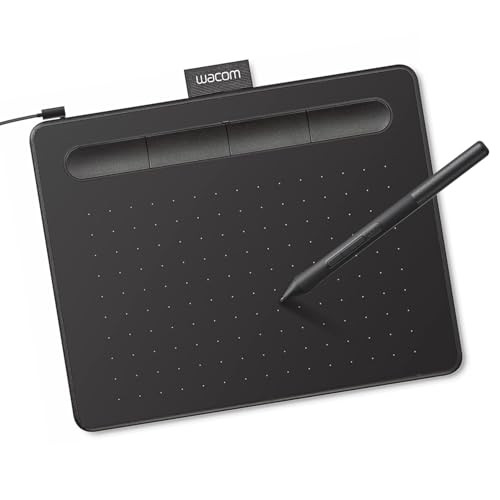
- Battery-free EMR pen with pen-on-paper feel
- Works with Windows, Mac, Android, and Chromebook
- Includes software access and online training
Best For: Beginners and students who want a compact wired tablet
Large Canvas Value

- 10 x 6 inch active area for roomy sketching
- 16384 pressure levels and tilt support
- Eight customizable express keys for shortcuts
Best For: Beginners and hobbyists who want a bigger workspace
Wireless Convenience Pick
Wacom Intuos Small Bluetooth Tablet

- Bluetooth plus USB-A for flexible connection options
- Battery-free Wacom pen for natural control
- Compact size is easy to move and store
Best For: Creators who want a portable wireless drawing tablet
Screen Artist Upgrade
XPPen Artist 13.3 Pro Display Tablet
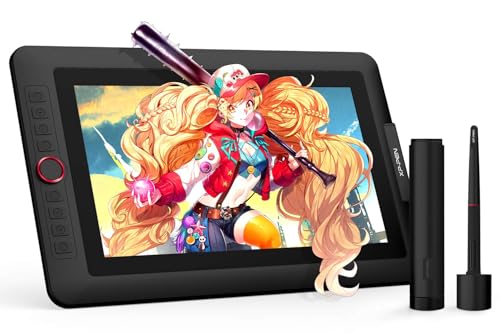
- 13.3-inch fully laminated FHD screen
- Battery-free stylus with 16384 pressure levels
- Red dial and eight shortcut keys for control
Best For: Artists who want a compact pen display with color accuracy
Pen Display Starter Pick
XP-PEN Artist12 11.6" FHD Pen Display

- 11.6-inch full HD pen display
- Battery-free stylus with eraser
- 6 shortcut keys + touch bar
Best For: Students and beginners who want a compact screen-based tablet for PC work
Beginner Pen Tablet Pick

- 16,384 pressure levels with tilt
- 8 customizable shortcut keys
- Works with Android and major desktop OSes
Best For: Beginners who want a large, portable non-screen tablet
Standalone Tablet Pick
PicassoTab X11 11" Standalone Drawing Tablet

- No computer needed
- 11-inch laminated 2K display
- Includes tutorial apps and accessories
Best For: Beginners who want an all-in-one tablet for drawing on its own
Compact Beginner Pick
XPPen StarG640 6x4 Battery-Free Stylus Tablet
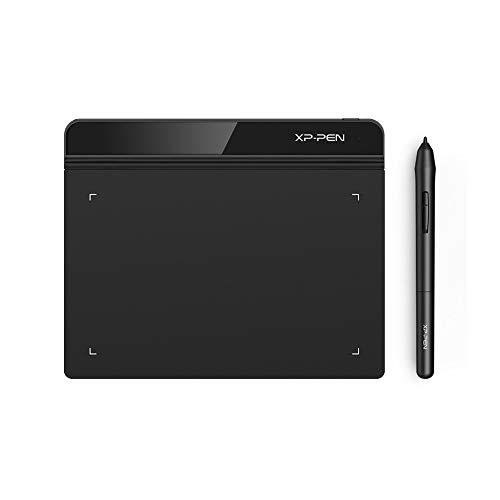
- Battery-free pen for uninterrupted use
- Slim 2 mm design is easy to carry
- Works with Mac, Windows, and Chromebook
Best For: Students and beginners who need a portable pen tablet
Desk-Ready Pro Option
HUION Inspiroy H1060P 10x6.25 Drawing Tablet
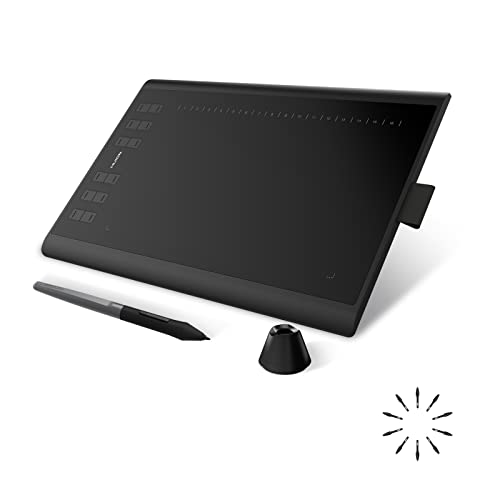
- Large 10 x 6.25 inch active area
- 12 plus 16 programmable shortcut keys
- Battery-free stylus with ±60° tilt support
Best For: Creators who want a larger workspace and lots of shortcuts
Portable Shortcut Pick
HUION Inspiroy H640P 6x4 Drawing Tablet

- Ultra-thin and lightweight for travel
- 8192 pressure levels with battery-free pen
- Six customizable keys with app profiles
Best For: Portable users and beginners who want shortcut control
Compact Starter Pick – Wacom Intuos Small Wired Graphic Tablet
If you want a dependable entry point into drawing tablets, the Wacom Intuos Small keeps things simple with a wired setup, battery-free pen, and the familiar pen-on-paper feel Wacom is known for. It’s a practical choice for sketching, photo editing, markups, and other everyday creative tasks.
Best For: Beginners, students, and artists who want a compact wired tablet with Wacom pen accuracy.
Pros:
- Battery-free EMR pen for a natural drawing feel
- Works with Windows, Mac, Android, and Chromebook
- Includes software and training access with registration
- Small footprint is easy to fit on a desk or carry
Cons:
- Small active area may feel tight for some workflows
- Wired-only connection offers no Bluetooth option
- Pressure sensitivity is lower than some larger competitors
Overall, this is a straightforward drawing tablet that prioritizes reliability and ease of use over extra features. If you value trusted pen performance in a compact size, it’s a solid place to start.
Large Canvas Value – UGEE M708 10×6 Drawing Tablet
The UGEE M708 is built for shoppers looking for drawing tablets with a larger workspace and a feature set that helps beginners get moving quickly. Its 10 x 6 inch active area, 16384 pressure levels, and eight shortcut keys make it useful for sketching, painting, and photo retouching.
Best For: Beginners and hobbyists who want a larger active area and customizable controls.
Pros:
- Large 10 x 6 inch active drawing area
- 16384 pressure levels for more nuanced line control
- Eight customizable express keys for faster workflow
- Compatible with Windows, Mac, Android, Chrome OS, and Linux
Cons:
- Requires a computer or supported device for use
- No display screen for drawing directly on the tablet surface
- Feature set is aimed more at value and utility than premium feel
For artists who want more room to draw without stepping up to a pen display, this tablet offers a strong mix of size, pressure sensitivity, and compatibility. It stands out as a practical pick for digital art and learning.
Wireless Convenience Pick – Wacom Intuos Small Bluetooth Tablet
Among drawing tablets in the compact category, this Wacom Intuos adds Bluetooth for a cleaner setup and more flexible placement. You still get Wacom’s battery-free pen technology and broad software support, but with the option to work wirelessly when you want less desk clutter.
Best For: Creators who want a small tablet with Bluetooth for cordless drawing sessions.
Pros:
- Bluetooth wireless connectivity plus USB-A option
- Battery-free EMR pen with Wacom’s pen-on-paper feel
- Works with common creative software and multiple platforms
- Compact and portable for home, class, or travel use
Cons:
- Small size may not suit artists who prefer a larger canvas
- No built-in display for direct-on-screen drawing
- Still relies on a compatible device to create
This model makes sense if wireless convenience matters more than a larger work area. It keeps the core Wacom experience intact while giving you more freedom in where and how you draw.
Screen Artist Upgrade – XPPen Artist 13.3 Pro Display Tablet
If you want drawing tablets with a built-in screen, the XPPen Artist 13.3 Pro is a strong step up from pen-only models. Its fully laminated 13.3-inch display, 88% NTSC color gamut, tilt support, and battery-free stylus are aimed at artists who want a more direct and immersive workflow.
Best For: Artists who want a pen display with strong color, shortcut controls, and a laminated screen.
Pros:
- 13.3-inch fully laminated FHD display reduces parallax
- 88% NTSC color gamut with wide viewing angle
- Battery-free stylus with 16384 pressure levels and tilt support
- Red dial and eight shortcut keys improve workflow control
Cons:
- Must be connected to a computer or laptop to use
- Larger and less portable than compact pen tablets
- More advanced feature set may be unnecessary for casual users
For artists ready to move into a screen-based setup, this display tablet offers a balanced mix of visual quality and productivity tools. It’s especially appealing if you value direct drawing on-screen and a cleaner, laminated feel.
Pen Display Starter Pick – XP-PEN Artist12 11.6" FHD Pen Display
If you want drawing tablets with a screen, the XP-PEN Artist12 is a compact entry point that focuses on the essentials: a full HD display, 8192 levels of pressure, and broad software compatibility. It must be connected to a computer, but once set up it works well for sketching, photo editing, animation, and even remote teaching or presentations.
Best For: Students, teachers, and beginner artists who want a small pen display for computer-based drawing and note-taking.
Pros:
- 11.6-inch 1920×1080 IPS display with 72% NTSC / 100% sRGB color gamut
- Battery-free P06 stylus with an eraser end and 8 included replacement nibs
- 6 customizable shortcut keys plus a programmable touch bar for zoom and scrolling
- Compatible with Windows, Mac, and Linux, plus major creative apps
Cons:
- Requires connection to a computer to operate
- Needs HDMI and USB-A ports, or an adapter if your device lacks them
This is a practical pick if you want a drawing tablet that balances screen quality, shortcut control, and plug-and-play desktop use. Its smaller size makes it easier to place on a desk than larger pen displays, though it is still best suited to users who already work from a computer.
Beginner Pen Tablet Pick – XPPen Deco 01 V3 10×6 Tablet
Among drawing tablets, the Deco 01 V3 is aimed at beginners who want a roomy active area and simple controls without dealing with charging. Its 16,384 pressure levels, tilt support, and lightweight body make it a flexible option for sketching, note-taking, and learning digital art on a desk or on the go.
Best For: New artists who want a large, portable pen tablet with easy setup and Android support.
Pros:
- 16,384 pressure levels and up to 60 degrees of tilt for natural line work
- 8 customizable shortcut keys for left- and right-handed users
- USB-C to USB-C connectivity and included adapters for simpler setup
- Compatible with Windows, macOS, Chrome OS, Linux, and Android 10.0+
Cons:
- No built-in display, so you draw on the tablet while looking at another screen
- Best Android support requires the XPPen Tools app
This model stands out as a straightforward practice tablet with a large active surface and strong pressure sensitivity. If you want a dependable non-screen tablet that travels easily and works across multiple devices, it is an easy one to recommend.
Standalone Tablet Pick – PicassoTab X11 11" Standalone Drawing Tablet
If you want drawing tablets that do not need a computer, the PicassoTab X11 is built for true standalone use. It includes a laminated 11-inch 2K display, preloaded creative apps, and beginner-friendly tutorials, making it a practical all-in-one option for drawing, animation, schoolwork, and light multitasking.
Best For: Beginners and casual creators who want an all-in-one tablet for drawing without a computer.
Pros:
- Fully standalone design with no computer required
- 11-inch laminated 2K screen with reduced parallax and glare
- 4096-level pressure-sensitive stylus for sketching and shading
- Includes bonus accessories and lifetime tutorial upgrades
Cons:
- 4096 pressure levels are lower than many higher-end drawing tablets
- Best suited to beginners and casual use rather than advanced pro workflows
The X11 is appealing because it removes the usual setup friction and adds guided learning tools right out of the box. For buyers who want a portable, self-contained drawing tablet with a paper-like screen, it offers a clear and convenient path into digital art.
Compact Beginner Pick – XPPen StarG640 6×4 Battery-Free Stylus Tablet
If you want a simple drawing tablet that also works well for note-taking, teaching, and general computer control, the XPPen StarG640 is a practical compact option. Its slim 2 mm profile and battery-free PN01 stylus make it easy to carry and ready to use for drawing, signatures, online lessons, and everyday productivity.
Best For: Students, beginners, and remote workers who want a lightweight pen tablet for drawing, teaching, and note-taking.
Pros:
- Battery-free stylus means no charging interruptions during drawing or work.
- 6 x 4 inch size and 2 mm thickness make it easy to pack and travel with.
- Works with Mac, Windows, and Chromebook, plus office and whiteboard-style apps.
- Useful for drawing, e-signatures, online education, photo editing, and OSU! gameplay.
Cons:
- Smaller working area may feel limited for artists who prefer more room.
- As a pen tablet, it is better for control than a full-screen drawing display.
- Focused on basic portability and utility rather than advanced pro features.
This is a strong entry-level choice among drawing tablets if you need something compact, versatile, and easy to keep in your bag. It is especially appealing when you want one device for both creative work and everyday digital tasks.
Desk-Ready Pro Option – HUION Inspiroy H1060P 10×6.25 Drawing Tablet
The HUION Inspiroy H1060P is a full-size drawing tablet built for users who want more workspace and lots of shortcut control. With a 10 x 6.25 inch active area, battery-free stylus, tilt support, and 12 plus 16 programmable keys, it suits artists who want a more customizable setup for creative work.
Best For: Artists and creators who want a larger pen tablet with lots of programmable controls.
Pros:
- Large 10 x 6.25 inch working area gives you more room to draw comfortably.
- Battery-free PW100 stylus includes ±60° tilt support for varied line input.
- 12 programmable press keys plus 16 soft keys help speed up common actions.
- Broad compatibility includes Windows, macOS, Android, and Linux support.
Cons:
- Not as portable as smaller 6 x 4 inch tablets.
- Mac connection requires a USB adapter.
- Phone support is limited, and iPhone/iPad are not supported.
For drawing tablets in a larger desktop format, this model stands out for its workspace size and shortcut flexibility. It is a sensible pick if you want more control and comfort than a compact tablet can offer.
Portable Shortcut Pick – HUION Inspiroy H640P 6×4 Drawing Tablet
The HUION Inspiroy H640P is a compact drawing tablet made for users who want a portable pen tablet without giving up useful controls. Its 6 x 4 inch active area, six customizable keys, and battery-free stylus make it a practical choice for sketching, editing, note-taking, and everyday pen input.
Best For: Beginners and portable users who want a compact tablet with shortcut keys and strong pen performance.
Pros:
- Ultra-portable design is only 0.3 inches thin and 0.61 lbs light.
- Battery-free PW100 stylus offers 8192 levels of pressure sensitivity.
- Six customizable keys and app-specific profiles help streamline workflow.
- Works with Mac, Windows, Linux, and Android devices.
Cons:
- 6 x 4 inch area may feel small for artists who want more room.
- iPhone and iPad are not supported.
- Best suited to pen input and workflow control rather than advanced display-style features.
Among drawing tablets in this size class, the H640P is a solid balance of portability, pressure sensitivity, and shortcut support. It is a strong pick if you want a tablet you can move between home, class, and travel with ease.
How We Picked These Drawing Tablets
We focused on practical buying factors that matter most to real users: pen performance, active drawing area, shortcut controls, compatibility, portability, and overall value. We also considered whether each model suits beginners, students, hobbyists, or artists who want a more advanced workflow.
Quick Comparison: Pen Tablet, Screen Tablet, or Standalone?
Most Drawing Tablets fall into three categories. Pen tablets are the most affordable and portable, but you draw while looking at a separate monitor. Screen tablets let you draw directly on the display, which feels more intuitive and is often preferred for illustration work. Standalone tablets run without a computer, making them the most flexible for travel and casual use, though they usually cost more.
Key Buying Factors for Drawing Tablets
Size and Workspace
A larger active area gives you more room for sweeping strokes and detailed work, while smaller tablets are easier to carry and fit on crowded desks. If you draw often at home, a 10×6-inch class tablet is a versatile middle ground. If you travel or have limited space, a compact 6×4-inch model can be enough for learning and light creative tasks.
Pressure Sensitivity and Pen Feel
Higher pressure levels can help with line variation and shading control, but software support and pen tuning matter just as much. Battery-free pens are especially convenient because they reduce maintenance and usually feel more like a traditional stylus.
Connectivity and Compatibility
Some Drawing Tablets connect by USB only, while others add Bluetooth for a cleaner setup. Check compatibility with your operating system and creative apps before buying, especially if you use a Chromebook, iPad alternative, or a less common workflow.
Shortcut Keys and Workflow
Extra keys can speed up zooming, brush changes, undo, and canvas rotation. Beginners may not need many shortcuts, but they become more valuable as your workflow gets faster.
Who Should Buy Which Drawing Tablets?
Beginners and students usually do well with compact pen tablets that keep costs down and are easy to learn. Artists who want a more natural sketching feel should look at screen tablets. If you want to draw anywhere without carrying a laptop, a standalone tablet is the most convenient choice. If you mainly want a reliable tool for digital art practice, photo retouching, or class assignments, a mid-size pen tablet often delivers the best balance of price and performance.
In short, the best Drawing Tablets are the ones that match your space, your software, and the way you actually create.