
Choosing the right display can make a home workspace feel easier to use all day. The best computer monitors for home offices balance sharp text, comfortable viewing, and enough screen space to multitask without clutter.
In this roundup, we focus on affordable, office-friendly models that fit real-world setups, from compact desks to larger workstations.
Best 10 Computer Monitors for Home Offices Picks for 2026
Editor’s Pick

- 27-inch IPS panel with 100Hz refresh rate
- 4-way adjustability for ergonomic comfort
- Built-in speakers and eye-comfort filtering
Best For: Home office users who want a comfortable, flexible 27-inch display
Value Choice
Amazon Basics 23.8" 1080p Monitor
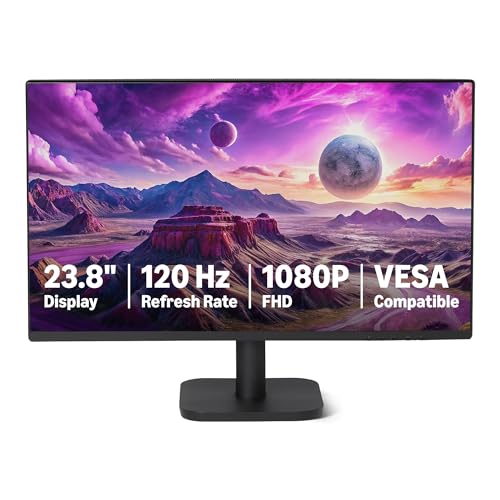
- 23.8-inch IPS panel with 99% sRGB coverage
- 120Hz refresh rate with Adaptive Sync
- HDMI, DisplayPort, VGA, and built-in speakers
Best For: Budget buyers who want a compact, well-connected office monitor
Fast Refresh Pick
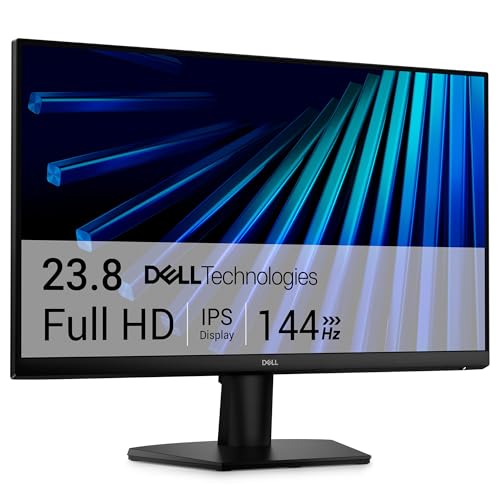
- 144Hz refresh rate with 1ms MPRT
- IPS panel and TUV Rheinland 3-star eye comfort
- Two HDMI ports and included cable
Best For: Home office users who want a fast, compact monitor with eye comfort
Immersive Option

- Curved 27-inch FHD panel for immersion
- 100Hz refresh rate with 3000:1 contrast
- Blue light filter and flicker-free comfort
Best For: Users who want a curved monitor for both office work and entertainment
Best for Easy Setup

- 144Hz refresh rate with 1ms MPRT
- IPS panel and 178°/178° viewing angles
- TÜV Rheinland 3-star eye comfort certification
Best For: Users who want a versatile 27-inch monitor for work and everyday media
Budget Pick
Philips 24 100Hz VA Home Office Monitor

- 23.8-inch Full HD display with 100Hz refresh
- VA panel with strong contrast and wide viewing angles
- Three-sided bezel-free design for multi-monitor setups
Best For: Compact home office setups that prioritize value and easy multi-monitor expansion
Large Screen Pick
Samsung 32-Inch Borderless Monitor

- 32-inch display with three-sided borderless design
- 75Hz refresh and AMD FreeSync support
- Flicker Free technology and Eye Saver Mode
Best For: People who want a large, clean-looking monitor for multitasking and comfortable long sessions
Reliable Everyday Pick
Dell 27" FHD 100Hz Eye Comfort Monitor

- 27-inch IPS panel with FHD 1080p
- 100Hz refresh and ComfortView Plus
- Small footprint with tilt and VESA support
Best For: Home office users who want a roomy, comfortable everyday monitor
Compact Budget Choice
Acer 21.5" 100Hz Office Monitor

- 21.5-inch FHD panel for small desks
- 100Hz refresh with 1ms response time
- ZeroFrame design for multi-monitor use
Best For: Small home offices and secondary display setups
Value-Friendly Compact Monitor

- 22-inch class Full HD monitor
- 100Hz refresh with Adaptive-Sync
- VA panel with wide viewing angles
Best For: Buyers who want a compact, no-fuss home office display
Editor’s Pick – HP 27" FHD IPS Monitor
If you want one of the more balanced computer monitors for home offices, this HP 27-inch model keeps the focus on everyday productivity. Its Full HD IPS panel, 100Hz refresh rate, and four-way adjustability make it a practical fit for spreadsheets, video calls, and dual-monitor desk setups.
Best For: Home office users who want a comfortable, easy-to-place 27-inch monitor with solid color consistency.
Pros:
- 27-inch IPS panel with 1920 x 1080 resolution for sharp, consistent viewing
- 100Hz refresh rate helps motion feel smoother during daily work and scrolling
- 4-way adjustability supports a more ergonomic desk setup
- Built-in dual 2W speakers and multiple ports add convenience
Cons:
- 1080p on a 27-inch screen is less crisp than higher-resolution options
- 250 nits brightness is adequate, but not especially high
- Only one of the included comfort features is the always-on low-blue-light filter
This HP display is a strong all-around pick if you value comfort and flexibility more than premium resolution. It is especially appealing for home offices where an ergonomic stand and clean dual-monitor setup matter as much as image quality.
Value Choice – Amazon Basics 23.8" 1080p Monitor
This Amazon Basics option is a straightforward choice among computer monitors for home offices when you want core features without paying for extras. The 23.8-inch IPS panel, 120Hz refresh rate, and narrow-bezel design make it a clean, responsive display for everyday work.
Best For: Budget-minded buyers who want a compact office monitor with smooth motion and simple connectivity.
Pros:
- 23.8-inch IPS screen with FHD resolution and 99% sRGB coverage
- 120Hz refresh rate with Adaptive Sync for smoother movement
- LowBlue Light and Flicker-Free technologies improve viewing comfort
- HDMI, DisplayPort, VGA, and built-in speakers add flexibility
Cons:
- 1080p resolution is basic if you want more workspace or sharper text
- Brightness is not listed among the strongest points in the notes
- Best features depend on using a 120Hz-capable cable and supported graphics output
Overall, this monitor is a practical everyday pick for home office setups that prioritize value and convenience. It covers the essentials well, especially if you want a compact screen that still feels smooth and well connected.
Fast Refresh Pick – Dell 24 SE2426H
The Dell SE2426H stands out in computer monitors for home offices if you want a compact display with unusually fast motion handling. Its 24-inch IPS panel, 144Hz refresh rate, and TUV Rheinland 3-star eye comfort certification make it a capable fit for long workdays with some gaming or streaming on the side.
Best For: Users who want a small office monitor with fast refresh and strong eye-comfort features.
Pros:
- 144Hz refresh rate and 1ms MPRT create very smooth motion
- IPS technology offers wide viewing angles and consistent color
- TUV Rheinland 3-star certification supports eye comfort
- Two HDMI ports and included cable make setup easy
Cons:
- 23.8-inch size may feel small if you prefer more screen space
- 1080p resolution is standard rather than high-end
- Tilt-only adjustment limits physical flexibility compared with more adjustable models
This Dell is a smart choice if smoothness matters as much as office use. It gives you a fast, comfortable display in a simple package that should fit neatly on most home desks.
Immersive Option – Samsung 27" Curved S3 Monitor
If you prefer a more immersive screen shape, this Samsung curved display is an interesting pick among computer monitors for home offices. The 27-inch curved FHD panel, 100Hz refresh rate, and 3000:1 contrast ratio aim to make daily work, media, and multitasking feel more engaging.
Best For: Buyers who want a curved 27-inch monitor that balances office use with entertainment.
Pros:
- Curved 27-inch design creates a more enveloping viewing experience
- 100Hz refresh rate helps reduce lag and motion blur
- 3000:1 contrast ratio supports stronger depth and contrast
- Blue light filter and flicker-free tech are built in for eye comfort
Cons:
- 1080p resolution on 27 inches is still fairly basic for detailed work
- Only one HDMI port is listed in the supplied notes
- At 250 cd/m² brightness, it is not positioned as a high-brightness display
For a home office that also doubles as a media space, this Samsung brings a more immersive feel than a flat budget monitor. It is a good option if you like curved screens and want a model that can handle work, movies, and casual gaming.
Best for Easy Setup – Dell 27 144Hz IPS FHD Monitor
For computer monitors for home offices, this 27-inch Dell keeps things practical with a Full HD IPS panel, wide viewing angles, and a 144Hz refresh rate. It’s a strong fit if you want a monitor that handles everyday work smoothly while still offering extra fluidity for streaming or occasional gaming.
Best For: Home office users who want a versatile 27-inch display with smooth motion and comfortable viewing.
Pros:
- 144Hz refresh rate and 1ms MPRT for smoother motion
- IPS panel with 178°/178° viewing angles for consistent color
- TÜV Rheinland 3-star eye comfort certification for reduced blue light
- Ultra-thin bezels help maximize screen space
Cons:
- Full HD resolution on a 27-inch screen may feel modest for some users
- Designed with tilt adjustment only
Overall, this Dell is a balanced pick if you want a home office monitor that feels responsive and easy on the eyes. Its combination of IPS clarity, smooth refresh performance, and eye-comfort tuning makes it a flexible all-rounder.
Budget Pick – Philips 24 100Hz VA Home Office Monitor
This Philips monitor is a straightforward choice for computer monitors for home offices, especially if you want a compact 24-inch class display with solid everyday clarity. Its Full HD VA panel, 100Hz refresh rate, and near-borderless design make it a sensible fit for productivity and dual-monitor setups.
Best For: Buyers who want a compact, practical office monitor with good contrast and a clean multi-monitor look.
Pros:
- Full HD 1920×1080 resolution in a 23.8-inch size
- VA panel delivers brighter whites, deeper blacks, and strong contrast
- 100Hz refresh rate for smoother everyday use
- Virtually bezel-free on three sides for seamless multi-monitor setups
Cons:
- Smaller screen size may feel limiting for users who prefer more workspace
- Not positioned as a premium feature-rich model
For a simple office setup, this Philips emphasizes practical benefits rather than extras. It stands out for contrast, easy reading support, and a tidy design that works well when you build out more than one screen.
Large Screen Pick – Samsung 32-Inch Borderless Monitor
For computer monitors for home offices, this Samsung 32-inch display is built around a spacious, borderless look that suits multitasking and cleaner desk setups. The 75Hz refresh rate, AMD FreeSync, and eye comfort features make it a practical option if you want a larger screen for everyday work and occasional entertainment.
Best For: Users who want a large, clean-looking monitor for multitasking and extended daily use.
Pros:
- 32-inch screen with three-sided borderless design
- 75Hz refresh rate for smoother visuals
- AMD FreeSync helps reduce image tearing
- Flicker Free technology and Eye Saver Mode support eye comfort
Cons:
- 75Hz is less fast than higher-refresh office and hybrid-use monitors
- Designed as a general monitor rather than a feature-heavy productivity model
This Samsung is a good fit if you value screen size and a clean visual layout more than advanced extras. Its large panel and eye-care tools make it appealing for long work sessions and simple dual-use setups.
Reliable Everyday Pick – Dell 27" FHD 100Hz Eye Comfort Monitor
For computer monitors for home offices, this Dell 27-inch display is a practical fit if you want a larger screen with a smoother feel for daily work. The 100Hz refresh rate helps scrolling and cursor movement feel more seamless, while ComfortView Plus and the anti-glare finish are aimed at keeping long work sessions easier on the eyes.
Best For: Home office users who want a roomy 27-inch monitor with eye-comfort features and a tidy desk footprint.
Pros:
- 100Hz refresh rate for smoother scrolling and motion
- ComfortView Plus helps minimize harmful blue light exposure
- Small footprint with built-in power supply and cable holder
- Flexible tilt adjustment and VESA mount support
Cons:
- FHD 1080p resolution on a 27-inch screen may feel modest for detail-focused work
- Only one HDMI port listed
- No USB hub or extra productivity ports mentioned
This is a well-rounded office monitor if your priority is comfort, simplicity, and a cleaner desk setup rather than high-end resolution or extra connectivity.
Compact Budget Choice – Acer 21.5" 100Hz Office Monitor
Among computer monitors for home offices, this Acer 21.5-inch model is a compact option for smaller desks or dual-monitor layouts. It offers Full HD resolution, a 100Hz refresh rate, and Adaptive-Sync support, which makes everyday navigation and video playback feel smoother than a basic 60Hz office screen.
Best For: Small home offices, secondary displays, or users who want a compact monitor with fast everyday responsiveness.
Pros:
- Compact 21.5-inch size works well on tight desks
- 100Hz refresh rate for smoother motion
- 1ms response time and Adaptive-Sync support
- Near bezel-less ZeroFrame design suits multi-monitor setups
Cons:
- Smaller screen may feel limiting for split-screen productivity
- VA panel rather than IPS
- Only one HDMI port listed
If you want a smaller office monitor that still feels responsive, this Acer is a sensible pick for basic productivity and multi-display setups.
Value-Friendly Compact Monitor – Philips 22" FHD 100Hz VA
If you’re comparing computer monitors for home offices, this Philips 22-inch screen is a straightforward, space-saving choice. It pairs Full HD clarity with a 100Hz refresh rate and Adaptive-Sync, while the VA panel and wide viewing angles help keep images consistent for everyday work and casual entertainment.
Best For: Home office buyers who want a simple, compact monitor with good contrast and smooth general-use performance.
Pros:
- 22-inch class size fits smaller workspaces
- 100Hz refresh rate with Adaptive-Sync support
- VA panel offers brighter whites and deeper blacks
- 178/178-degree viewing angles help maintain consistent colors
Cons:
- 21.5-inch viewable area is smaller than larger office monitors
- No detailed connectivity list provided in the supplied notes
- Not positioned as a premium productivity display
This Philips model is a good fit when you want a compact monitor that balances clarity, contrast, and smoother motion without taking up much desk space.
How We Picked These Computer Monitors for Home Offices
We prioritized models that make everyday work easier: Full HD or better resolution, IPS or similarly strong viewing consistency, comfortable brightness, flexible connectivity, and features that reduce eye strain during long sessions. We also favored monitors with practical desk-friendly sizes and VESA support when available.
Quick Comparison
If you want a simple rule of thumb, 24-inch 1080p monitors are the safest all-around choice for mixed office use, 27-inch models give you more room for side-by-side windows, and higher refresh rates can make scrolling feel smoother even if you are not gaming. Curved screens may help with immersion on larger displays, while flat panels usually suit shared desks and standard productivity layouts better.
Key Buying Factors for Computer Monitors for Home Offices
Screen Size and Resolution
For most home offices, 23.8 to 27 inches is the sweet spot. At that size, Full HD is acceptable, though text looks cleaner on smaller screens and more workspace is available on larger ones. If you often use spreadsheets, large documents, or multiple windows, a 27-inch monitor can be a noticeable upgrade.
Panel Type and Viewing Comfort
IPS panels generally offer better color consistency and wider viewing angles, which helps when you lean back, shift posture, or share your screen. VA panels can provide stronger contrast, which some users prefer for reading and media, but viewing angles may be a little less forgiving.
Refresh Rate and Everyday Smoothness
While office work does not require a high refresh rate, 100Hz or 120Hz can make scrolling, cursor movement, and window dragging feel smoother than standard 60Hz displays. That is a nice quality-of-life upgrade for Computer Monitors for Home Offices, especially if you spend hours at the desk.
Eye Comfort Features
Look for flicker-free backlighting, low blue light modes, anti-glare coatings, and brightness levels that suit your room. These features do not replace good lighting and breaks, but they can help reduce fatigue during long workdays.
Ports, Stand, and Mounting
HDMI is the most common must-have, while DisplayPort or VGA can help with older and newer devices. If you want a cleaner setup, check for VESA compatibility and make sure the stand offers the tilt or height adjustments you need.
Who Should Buy Which Computer Monitors for Home Offices?
Choose a 24-inch model if you want a compact, budget-friendly screen for email, documents, and video calls. Pick a 27-inch monitor if you split your day between spreadsheets, research, and multiple windows. Go with a curved or larger display if you prefer a more immersive view and have the desk depth to support it. For shared or multipurpose rooms, a straightforward flat IPS monitor usually offers the best balance of simplicity and comfort.