
The best memory cards for video editing need more than high capacity. Sustained write speed, dependable performance, and broad camera compatibility all matter when recording high-bitrate 4K or 8K footage.
We selected 10 fast CFexpress and SD cards for different cameras, budgets, and production needs, from professional RAW workflows to everyday 4K shooting.
Best 10 Memory Cards for Video Editing Picks for 2026
Fastest CFexpress Option
SanDisk Extreme PRO CFexpress 4.0 Type B

- Up to 3,700 MB/s read speeds
- PCIe Gen4 and high-resolution video support
- Rugged, VPG-enabled design
Best For: High-throughput professional video production
Best SD Workflow Support
ProGrade Digital SDXC UHS-II V90

- 90 MB/s minimum sustained write speed
- Up to 300 MB/s read speed
- Designed for 4K, 8K, and RAW workflows
Best For: Professional SD-based video capture
Best Value CFexpress
Lexar 128GB CFexpress Type B Silver

- Up to 1,750 MB/s read speeds
- Supports compatible 8K video workflows
- Works with select XQD cameras
Best For: CFexpress users seeking capable 8K performance
Best Pro SD Capacity
SanDisk Extreme PRO SD UHS-II V60
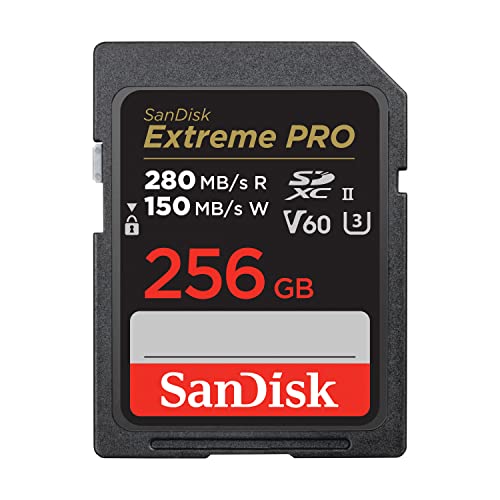
- 256GB capacity for larger projects
- V60 support for compatible 6K and 4K recording
- Up to 280 MB/s read speed
Best For: Prosumers and professionals using UHS-II SD cameras
Professional CFexpress Speed

- Up to 3,000MB/s write and 3,650MB/s read
- 800MB/s sustained write speed
- Built for compatible 6K and high-bitrate workflows
Best For: Professional creators using CFexpress Type B cameras
8K SD Workflow Pick
Lexar Professional 2000x 256GB

- Up to 300MB/s read speed
- V90-rated for demanding video capture
- Supports 8K and extended Full HD recording
Best For: UHS-II camera users recording high-resolution video
High-Capacity 4K Value

- Up to 280MB/s read and 150MB/s write
- V60-rated for 4K Ultra HD video
- 512GB capacity for larger media libraries
Best For: UHS-II users recording 4K video and managing large files
Best All-Around 4K Pick

- 256GB capacity for extended video recording
- Up to 200MB/s read and 140MB/s write speeds
- U3 and V30 support for compatible 4K UHD capture
Best For: 4K shooters and editors needing ample SDXC storage
Fastest Pro Workflow Pick

- Up to 280MB/s read and 120MB/s write speeds
- V60 support for compatible 4K and Full HD capture
- Two-card bundle with lifetime limited warranty
Best For: Videographers prioritizing fast transfers and card rotation
Best Compact Budget Capacity

- Up to 200MB/s read and 90MB/s write speeds
- U3 and V30 ratings for compatible 4K UHD capture
- Protective waterproof, shockproof, and X-ray-proof design
Best For: Short shoots, spare-card duty, and compact 4K storage
Fastest CFexpress Option – SanDisk Extreme PRO CFexpress 4.0 Type B
For demanding video workflows, these memory cards for video editing pair PCIe Gen4 performance with up to 3,700 MB/s read speeds. The CFexpress Type B design is aimed at compatible cameras capturing high-resolution footage, including up to 12K video.
Best For: Professional production sessions requiring very high throughput and sustained recording performance.
Pros:
- Up to 3,700 MB/s read and up to 3,500 MB/s write speeds.
- VPG800 and VPG400 enabled, with VPG1600 available on higher-capacity versions.
- Rugged enclosure resists drops up to 5 meters and bends up to 70 newtons.
- SmartIdle mode can reduce power use when a compatible camera is idle.
Cons:
- Requires a compatible CFexpress Type B camera and reader.
- Its 256GB capacity may be limiting for especially long shoots.
- The listed minimum sustained write speed of 3,100 MB/s applies to 2TB–4TB versions, not this 256GB model.
This is the performance-focused choice for editors and production teams using compatible CFexpress equipment. Verify your camera’s card requirements before buying.
Best SD Workflow Support – ProGrade Digital SDXC UHS-II V90
This 128GB UHS-II V90 card is a practical option for memory cards for video editing when your camera uses SD media. With up to 300 MB/s read, 200 MB/s write, and a 90 MB/s minimum sustained write speed, it is designed for 4K, 8K, and RAW-ready workflows.
Best For: Videographers using compatible SD cameras for professional capture and fast file transfers.
Pros:
- V90 rating provides a 90 MB/s minimum sustained write speed.
- Up to 300 MB/s read and 200 MB/s write speeds.
- Controller and firmware are optimized for cinematic cameras and RAW workflows.
- Includes rigorous card testing, serialized component tracking, and a three-year warranty.
Cons:
- 128GB capacity may require more frequent card changes during long recordings.
- Performance depends on a compatible UHS-II host device.
- Refresh Pro software is sold separately.
Choose this card when your setup is SD-based and sustained write performance matters. Its V90 classification and professional-oriented quality controls make it a strong fit for demanding capture sessions.
Best Value CFexpress – Lexar 128GB CFexpress Type B Silver
The Lexar CFexpress Type B Silver offers a capable balance of speed and capacity for memory cards for video editing. Its up to 1,750 MB/s read and 1,300 MB/s write speeds support high-quality images and 8K video on compatible cameras.
Best For: Photographers and videographers who need CFexpress Type B support for 8K video and fast transfers.
Pros:
- Up to 1,750 MB/s read and 1,300 MB/s write speeds.
- Supports 8K video recording on compatible devices.
- Backwards-compatible with select XQD cameras.
- Includes a limited 10-year warranty.
Cons:
- Compatibility is limited to CFexpress Type B systems and select XQD cameras.
- Its performance is below the supplied speeds of newer PCIe Gen4 CFexpress cards.
- 128GB may be restrictive for extended 8K recording.
This is a sensible CFexpress option for users who need strong performance without moving to the fastest current-generation cards. Confirm compatibility, especially when using an XQD camera.
Best Pro SD Capacity – SanDisk Extreme PRO SD UHS-II V60
For SD-based cameras, this 256GB UHS-II V60 card is a flexible choice among memory cards for video editing. It supports cinema-quality 6K and 4K UHD recording on compatible hosts, with up to 150 MB/s write and 280 MB/s read speeds.
Best For: Prosumers and professionals using MIL, DSLR, mirrorless, or cinema cameras with UHS-II SD support.
Pros:
- 256GB capacity provides room for high-resolution video and image files.
- V60 rating supports a 60 MB/s sustained video capture rate.
- Up to 280 MB/s read and 150 MB/s write speeds.
- Protected against drops, water, temperature, magnets, and X-rays.
Cons:
- Actual performance varies by host device.
- 6K and 4K support depends on the camera and file attributes.
- UHS-II performance requires a compatible host.
This card is a well-rounded SD choice when you want generous capacity, V60 video support, and fast offloads. Check your camera’s specifications to confirm it can take advantage of the stated speeds.
Professional CFexpress Speed – OWC Atlas Pro 512GB
For demanding memory cards for video editing, the OWC Atlas Pro stands out with CFexpress 4.0 performance, a 512GB capacity, and support for high-bitrate video workflows up to 6K. Its broad camera compatibility makes it a strong option for professional creators using compatible Type B equipment.
Best For: Professional filmmakers and photographers recording high-bitrate video, fast-burst RAW sequences, and 6K footage on compatible CFexpress Type B cameras.
Pros:
- Up to 3,000MB/s write and 3,650MB/s read speeds
- 800MB/s sustained write speed for demanding recording workflows
- 512GB capacity and compatibility with many DSLR, mirrorless, and cinema cameras
- Resistant to impact, bending, shock, ESD, UV rays, and X-rays
Cons:
- Requires a compatible CFexpress Type B camera or device
- Higher-end performance may be more than needed for basic video recording
The Atlas Pro is a performance-focused choice when fast transfers and sustained recording matter. Verify that your camera supports CFexpress Type B before buying.
8K SD Workflow Pick – Lexar Professional 2000x 256GB
The Lexar 2000x is a versatile choice among memory cards for video editing, combining UHS-II performance with a 256GB capacity and V90 video speed certification. It is designed for extended Full HD and cinema-quality 8K video capture while remaining backward compatible with UHS-I devices.
Best For: Camera users who need a high-speed SDXC card for 8K, Full HD, or professional video capture and fast file transfers.
Pros:
- Up to 300MB/s read transfer speed
- V90 rating supports demanding video recording workloads
- Supports extended Full HD and cinema-quality 8K video capture
- Backwards compatible with UHS-I devices
Cons:
- 256GB capacity may be limiting for long 8K recording sessions
- UHS-II performance requires a compatible device and reader
Choose this Lexar card if your camera uses SDXC media and you want a V90-rated option for high-resolution video. Its UHS-I compatibility also helps it work across a wider range of devices, though at UHS-I speeds.
High-Capacity 4K Value – PNY EliteX-PRO60 512GB
The PNY EliteX-PRO60 offers a practical balance of capacity and performance for memory cards for video editing. Its 512GB SDXC format, V60 rating, and UHS-II interface support 4K Ultra HD capture while helping accelerate transfers during post-production.
Best For: Videographers and photographers using UHS-II DSLR, mirrorless, or professional video cameras for 4K recording and larger media libraries.
Pros:
- Up to 280MB/s read and 150MB/s write speeds
- V60 rating supports 4K Ultra HD video capture
- 512GB capacity provides substantial space for video files
- Backwards compatible with UHS-I devices at UHS-I speeds
Cons:
- V60 performance is below the V90 rating of some professional SD cards
- Full UHS-II speeds require a compatible camera or reader
The EliteX-PRO60 is a sensible high-capacity SD option for 4K-focused workflows. It is especially useful when you want more storage than a 256GB card while retaining UHS-II transfer performance.
Best All-Around 4K Pick – SanDisk Extreme PRO 256GB
For editors who need dependable memory cards for video editing, the 256GB SanDisk Extreme PRO combines generous capacity with fast offload performance. Its U3 and V30 ratings support compatible 4K UHD recording, while the advertised read speed can help move footage to an editing workstation efficiently.
Best For: 4K shooters and editors who want a high-capacity SDXC card for longer recording sessions and faster media transfers.
Pros:
- 256GB capacity provides more room for video footage than the 64GB option.
- Up to 200MB/s read speed with compatible devices and readers.
- Up to 140MB/s write speed, plus U3 and V30 ratings for compatible 4K UHD capture.
- Waterproof, temperature-proof, and X-ray-proof construction with a lifetime limited manufacturer warranty.
Cons:
- Maximum advertised read speed requires compatible hardware and may vary by setup.
- SanDisk Professional PRO-READER is sold separately for maximum speeds.
This is a strong general-purpose choice when capacity matters as much as transfer speed. Confirm that your camera, reader, and editing system support the card’s advertised performance.
Fastest Pro Workflow Pick – Lexar SILVER PRO 128GB 2-Pack
The Lexar SILVER PRO is a compelling option among memory cards for video editing when fast transfers and professional-oriented capture are priorities. This two-card UHS-II package offers up to 280MB/s read speeds and V60-rated performance for compatible cameras and readers.
Best For: Videographers and photographers who want two high-speed cards for 4K workflows, active shoots, or faster offloading.
Pros:
- Two 128GB SDXC cards provide a convenient shooting rotation.
- Up to 280MB/s read and 120MB/s write speeds for faster transfers.
- V60 rating is designed for high-resolution 4K UHD and 1080p Full HD capture.
- Lifetime limited warranty and access to the Lexar Recovery Tool.
Cons:
- Advertised performance depends on compatible UHS-II equipment and may be lower in UHS-I devices.
- Each card has 128GB capacity, which is less than the 256GB SanDisk option.
Choose this bundle if reducing offload wait times and keeping a spare card ready are central to your workflow. Its UHS-II design is most valuable when paired with compatible camera and reader hardware.
Best Compact Budget Capacity – SanDisk Extreme PRO 64GB
SANDISK 64GB Extreme PRO SDXC UHS-I Memory Card - C10, U3, V30, 4K UHD, SD Card - SDSDXXU-064G-GN4IN
Check Price On AmazonFor shorter shoots or a lower-cost entry into memory cards for video editing, the 64GB SanDisk Extreme PRO offers fast file offloads in a compact SDXC format. Its U3 and V30 ratings are suited to compatible 4K UHD recording, and the card supports up to 200MB/s reads with compatible hardware.
Best For: Short 4K recording sessions, spare-card duty, and editors who prefer several smaller cards over one high-capacity card.
Pros:
- Up to 200MB/s read speed for efficient offloading with compatible equipment.
- Up to 90MB/s write speed for compatible 4K UHD capture.
- U3 and V30 ratings support sustained video recording on compatible hosts.
- Waterproof, temperature-proof, shockproof, and X-ray-proof design with a lifetime limited warranty.
Cons:
- 64GB capacity fills sooner during extended or high-bitrate recording.
- Maximum read speed requires compatible devices and may vary by setup.
This card makes sense as an affordable working or backup option when your recording sessions are relatively short. If you regularly capture lengthy 4K footage, the 256GB version provides substantially more headroom.
How We Picked the Best Memory Cards for Video Editing
We focused on the specifications that have the greatest effect on recording and post-production workflows: interface type, sustained performance class, rated read and write speeds, capacity, and compatibility. The selection includes CFexpress Type B cards for high-bitrate and 8K cameras, plus UHS-II and UHS-I SD cards for cameras that use more widely available media.
Advertised maximum speeds are useful for transferring footage, but they do not always represent sustained recording performance. For demanding video, we gave particular attention to V60, V90, and CFexpress classifications, along with each card’s intended camera class.
Quick Comparison
- Highest-performance option: SanDisk Extreme PRO CFexpress 4.0 Type B is suited to compatible professional cameras and fast transfers.
- Best high-capacity CFexpress choices: OWC Atlas Pro and SanDisk Extreme PRO offer large capacities for extended shoots.
- Strong UHS-II SD options: ProGrade Digital, Lexar 2000x, SanDisk Extreme PRO UHS-II, and Lexar Silver PRO cards support demanding 4K workflows.
- Value-focused SD options: PNY EliteX-PRO60 and SanDisk UHS-I cards fit compatible cameras with less intensive recording requirements.
Key Buying Factors for Memory Cards for Video Editing
Match the Card to Your Camera
Check your camera’s manual before buying. CFexpress Type B, UHS-II SD, and UHS-I SD cards are not interchangeable in every device. A faster card cannot upgrade a camera that supports only a slower interface.
Prioritize Sustained Write Speed
Write speed determines whether a card can keep up while recording. V30 cards are generally aimed at standard 4K bitrates, while V60 and V90 cards provide more headroom for higher-bitrate footage. CFexpress is the better fit for cameras recording RAW, high-frame-rate, or demanding 8K formats.
Choose Capacity for Your Shooting Style
128GB can suit short shoots or frequent offloading, while 256GB and 512GB cards reduce card changes during events, travel, and commercial production. Larger cards cost more and make backups especially important.
Consider Your Editing Transfer Workflow
Fast read speeds can shorten transfers, but you also need a compatible card reader and a computer connection capable of using that performance. Confirm whether the card requires a UHS-II or CFexpress reader.
Who Should Buy Which Memory Cards for Video Editing?
Professional 8K, RAW, and high-frame-rate shooters should choose a compatible CFexpress Type B card, especially when sustained performance and rapid offloads are priorities.
4K filmmakers using UHS-II cameras should look for V60 or V90 SD cards from ProGrade, Lexar, or SanDisk. These offer a strong balance of speed and compatibility for demanding mirrorless and cinema cameras.
Hybrid shooters and enthusiasts can often save money with a reliable UHS-I or V60 card, provided the camera’s recording mode does not require higher sustained speeds.
Finally, buy from a reputable seller, verify the exact model and speed class, and format the card in the camera before use. For important footage, carry a spare and back up recordings as soon as practical.