
A vertical mouse can help create a more natural handshake-style wrist position while you work, browse, or edit for long periods. The right model depends on your hand size, preferred connection, button layout, and budget.
We compared 10 vertical mice across ergonomic design, wireless flexibility, tracking performance, power options, and practical workplace features to help you choose confidently.
Best 10 Vertical Mice Picks for 2026
Best Overall

- 57-degree ergonomic angle with thumb rest
- 4000 DPI sensor and adjustable cursor speed
- Wireless design with up to four months of battery life
Best For: Right-handed users wanting a premium wireless vertical mouse
Best for Large Hands

- Sized for 19–21.5 cm hand lengths
- Side scroll wheel for wide workspaces
- Connects to three devices with up to 7200 DPI
Best For: Large-handed users and multi-device office workflows
Best Compact Wireless Pick
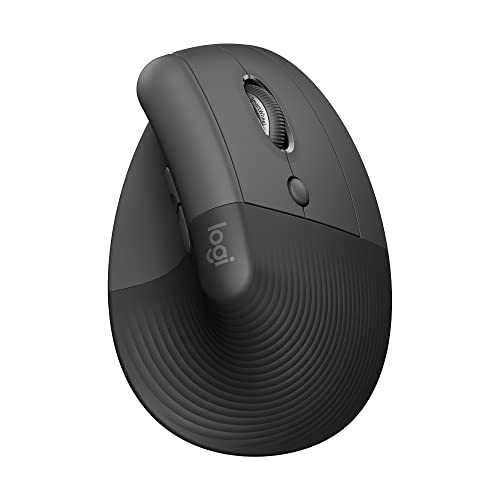
- Designed for small to medium right hands
- Quiet clicks with SmartWheel scrolling
- Bluetooth or Logi Bolt connectivity with two-year battery life
Best For: Quiet office work and everyday wireless productivity
Best Budget Wired Option
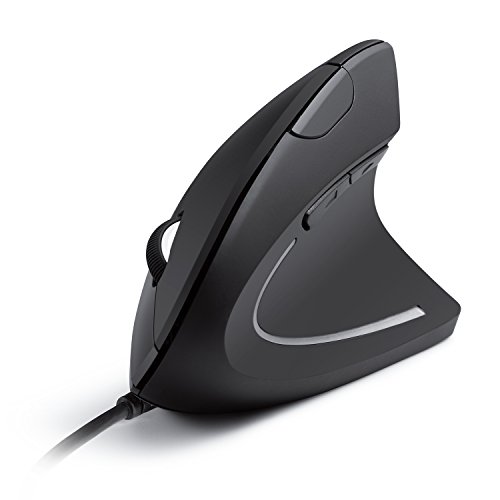
- Simple USB wired connection
- 1000/1600 DPI optical tracking
- Forward and back buttons for web navigation
Best For: Budget-focused users who prefer a no-charge wired setup
Balanced Everyday Comfort
UGREEN Ergonomic Wireless Mouse

- Natural vertical grip for medium to large hands
- Bluetooth and 2.4G connectivity for up to three devices
- Quiet clicks with four DPI settings
Best For: Quiet office work and multi-device productivity
Premium Feature-Rich Pick

- Six-button vertical design with base wrist support
- Connects to up to five devices in wireless or wired modes
- 30,000-DPI sensor, RGB lighting, and long battery life
Best For: Windows productivity and gaming with premium customization
Versatile Connectivity Pick
TECKNET 3-Device Vertical Mouse

- Bluetooth and 2.4GHz USB-A connectivity
- Six DPI settings up to 4800
- Quiet primary clicks and 36-month warranty
Best For: Right-handed multi-device users who prefer quiet clicks
Rechargeable Comfort Pick
ProtoArc EM11 NL Vertical Mouse

- Rechargeable 500mAh battery with USB-C cable
- Connects to up to three devices
- Sized for hands under 7.5 inches
Best For: Small- to medium-handed users seeking rechargeable convenience
Simple Budget Classic

- Neutral handshake-style ergonomic design
- Three DPI settings up to 1600
- Includes browser forward and back buttons
Best For: Everyday office and browsing with a USB receiver
Best Overall – Logitech MX Vertical
Among vertical mice, the Logitech MX Vertical stands out for its polished ergonomic design, high-resolution tracking, and wireless flexibility. Its 57-degree angle, thumb rest, and textured grip are designed to encourage a more natural handshake position during extended computer use.
Best For: Right-handed users seeking a premium wireless vertical mouse for Windows, macOS, iPadOS, or Android.
Pros:
- 57-degree angle and thumb rest support a more natural wrist posture.
- 4000 DPI sensor and cursor-speed switch provide precise, adjustable tracking.
- Wireless range reaches up to 10 meters, with a rechargeable battery rated for up to four months.
- Ergonomist-approved design with a textured rubber surface.
Cons:
- Designed for right-handed use only.
- Its premium feature set may be more than basic users need.
The MX Vertical is a strong all-around choice when comfort, reliable wireless connectivity, and precise control matter more than having the simplest or smallest mouse.
Best for Large Hands – ProtoArc EM11 Pro
The ProtoArc EM11 Pro is one of the more versatile vertical mice for users with larger hands. Its contoured shape is designed for hand lengths of 19 to 21.5 cm, while the side-scroll wheel, customizable buttons, and multi-device connectivity suit spreadsheet-heavy and multitasking workflows.
Best For: Large-handed users, hybrid workers, and anyone navigating wide spreadsheets, timelines, or multiple devices.
Pros:
- Large contoured shape supports hands measuring 19 to 21.5 cm.
- Side scroll wheel makes wide spreadsheets and long timelines easier to navigate.
- Connects with up to three devices using Bluetooth 5.0 and a 2.4 GHz USB-A receiver.
- Six buttons and DPI settings up to 7200 can be customized through a browser-based tool.
Cons:
- The larger design may not suit smaller hands.
- New vertical-mouse users may need time to develop a relaxed grip.
Choose the EM11 Pro if standard vertical mice feel cramped or your work benefits from side-to-side scrolling and frequent device switching. Measuring your hand first is especially important.
Best Compact Wireless Pick – Logitech Lift
The Logitech Lift is a comfortable option among vertical mice for small to medium right hands. Its 57-degree shape, soft textured grip, quiet clicks, customizable buttons, and SmartWheel scrolling make it well suited to quieter office and home-work setups.
Best For: Small to medium right-handed users who want a quiet wireless mouse with long battery life.
Pros:
- Vertical 57-degree shape and thumb rest encourage a natural forearm position.
- Whisper-quiet clicks and SmartWheel support focused office work.
- Connects through Bluetooth Low Energy or the included Logi Bolt USB receiver.
- Battery life is rated for up to two years.
Cons:
- Designed for right-handed users with small to medium hands.
- Maximum sensitivity is 4000 DPI, lower than the ProtoArc EM11 Pro.
The Lift is a particularly practical choice for everyday productivity when low noise, simple wireless pairing, and minimal battery maintenance are priorities.
Best Budget Wired Option – Anker Vertical Mouse
The Anker USB Wired Vertical Mouse offers a straightforward, low-maintenance alternative to wireless vertical mice. Its handshake-style shape, wired USB connection, adjustable 1000/1600 DPI tracking, and forward/back buttons cover the essentials for everyday computer use.
Best For: Budget-conscious users who prefer a simple wired mouse for a Windows computer or laptop.
Pros:
- Ergonomic vertical design supports a natural handshake wrist and arm position.
- 1000/1600 DPI optical tracking provides two sensitivity options.
- Forward and back buttons help with web navigation.
- Lightweight design includes a 1.5-meter USB cable and an 18-month warranty.
Cons:
- Wired connection limits freedom of movement.
- Compatibility details list Windows 10 and Linux rather than a broad range of modern platforms.
- It lacks the higher DPI range and multi-device features found on some wireless models.
If you want the basic ergonomic benefits of vertical mice without charging or pairing, the Anker is a sensible, uncomplicated choice for a fixed desk setup.
Balanced Everyday Comfort – UGREEN Ergonomic Wireless Mouse
If you want a straightforward option among vertical mice, the UGREEN Ergonomic Wireless Mouse combines a natural handshake grip with quiet clicks and flexible wireless connectivity. Its four DPI settings and five-button layout suit everyday office work, browsing, and general productivity. Note that its shape is intended for medium to large hands.
Best For: Medium- to large-handed users who want a quiet, versatile mouse for office and multi-device use.
Pros:
- Vertical design encourages a more natural wrist position.
- Bluetooth and 2.4G wireless support switching among up to three devices.
- Quiet clicks, five buttons, and four DPI settings support productive daily use.
- PTFE glide feet and smart sleep mode help provide smooth movement and longer battery life.
Cons:
- May not fit small hands comfortably.
- Uses a replaceable AA battery rather than a rechargeable battery.
- Right-hand design is not ambidextrous.
The UGREEN is a practical pick if you value quiet operation, broad compatibility, and simple device switching. Check the hand-size guide before buying, especially if you have smaller hands.
Rechargeable Multitasker – TECKNET Ergonomic Vertical Mouse
The TECKNET Ergonomic Mouse is one of the more practical vertical mice for users who move between several computers. Its 57-degree angle supports a straighter hand and forearm position, while Bluetooth and 2.4GHz connections make switching among three devices convenient. The rechargeable battery is rated for up to three months based on two hours of daily use.
Best For: Multi-device users who prefer a rechargeable, quiet mouse for extended office or creative sessions.
Pros:
- 57-degree vertical angle is designed to support wrist comfort.
- Bluetooth 5.3/3.0 and 2.4GHz wireless support three-device switching.
- Six DPI levels, up to 4800 DPI, provide flexible tracking control.
- Rechargeable battery offers up to three months of use under the stated conditions.
Cons:
- Side buttons are not supported on macOS.
- Requires a two- to three-hour charge when the battery needs replenishing.
- Some features depend on compatible operating systems and devices.
Choose the TECKNET if avoiding disposable batteries and switching between devices are priorities. Its quiet buttons and adjustable sensitivity also make it well suited to shared workspaces.
Premium Feature-Rich Pick – Razer Pro Click V2 Vertical
The Razer Pro Click V2 Vertical is a premium choice among vertical mice, combining a six-button handshake design with base support, multi-device connectivity, and advanced software features. Its 30,000-DPI sensor, mechanical switches, RGB lighting, and AI-focused shortcuts make it particularly suited to Windows users who want a productivity mouse with gaming-oriented hardware.
Best For: Windows users seeking a high-end vertical mouse for productivity, customization, and gaming.
Pros:
- Angled six-button design and wrist-supporting base promote a natural grip.
- Connects to up to five devices through 2.4GHz, Bluetooth, or wired mode.
- Rechargeable battery lasts up to six months under standard test conditions.
- 30,000-DPI sensor, 60-million-click switches, and customizable RGB lighting add premium features.
Cons:
- Listed operating-system support is Windows 11.
- Its 410-gram weight may feel substantial compared with lighter mice.
- Advanced AI and lighting features require software configuration for full use.
The Razer stands out when performance, customization, and device flexibility matter more than simplicity. It is best suited to users comfortable with the Windows-based Razer Synapse ecosystem and a larger feature set.
Versatile Connectivity Pick – TECKNET 3-Device Vertical Mouse
For shoppers comparing vertical mice, the TECKNET stands out for flexible connectivity and quiet primary clicks. It can connect to two Bluetooth devices simultaneously or use its included 2.4GHz USB-A receiver, while six DPI settings accommodate different tracking preferences.
Best For: Right-handed users who switch between multiple computers and want quiet left- and right-clicks.
Pros:
- Connects with Bluetooth 5.0/3.0 or 2.4GHz USB-A, supporting up to three devices.
- Six adjustable DPI levels from 800 to 4800 provide flexible sensitivity.
- Vertical design and nearly silent left- and right-clicks suit extended work in quiet spaces.
- Includes a 36-month warranty for registered users.
Cons:
- Requires two AAA batteries, which are not included.
- Designed for right-handed use only.
- Side buttons are not compatible with macOS, and other function buttons are not silent.
The TECKNET is a practical all-rounder among vertical mice, especially if device switching and adjustable sensitivity matter more than rechargeable power. Its battery operation and right-hand-only design are the main trade-offs.
Rechargeable Comfort Pick – ProtoArc EM11 NL Vertical Mouse
The ProtoArc EM11 NL is one of the more convenient vertical mice for users with small to medium hands. Its rechargeable battery, three-device connectivity, and natural wrist position make it a strong option for everyday work, provided the compact fit matches your hand.
Best For: Users with hand lengths under 7.5 inches who want a rechargeable vertical mouse for several devices.
Pros:
- Built-in 500mAh battery recharges through the included USB-C cable.
- Supports two Bluetooth connections plus a 2.4G USB-A receiver for up to three devices.
- Vertical shape is intended to keep the wrist and forearm in a more natural position.
- Silent left- and right-clicks help reduce workplace noise.
Cons:
- Designed specifically for small to medium hands under 7.5 inches.
- Only offers 1000, 1600, and 2400 DPI settings.
- Has a learning curve, and the back/forward buttons are not compatible with Mac OS.
The EM11 NL offers a useful balance of comfort, rechargeability, and multi-device support. Measure your hand before buying, and expect to spend roughly one to two weeks adjusting to the vertical shape.
Simple Budget Classic – Anker 2.4G Vertical Mouse
The Anker 2.4G is a straightforward choice among vertical mice for shoppers who want a familiar wireless USB setup. Its handshake-style shape, three DPI levels, and browser navigation buttons cover essential office use without adding Bluetooth or rechargeable features.
Best For: Right-handed desktop and laptop users who want a simple 2.4GHz vertical mouse for everyday browsing and work.
Pros:
- Ergonomic vertical design encourages a neutral handshake wrist and arm position.
- 800, 1200, and 1600 DPI settings support adjustable optical tracking.
- Next/previous buttons make web navigation more convenient.
- Power-saving mode activates after eight minutes of inactivity.
Cons:
- Uses a USB receiver rather than Bluetooth.
- Requires two AAA batteries, which are not included.
- Click sounds are not silent.
The Anker is best suited to buyers who value simplicity and a lower-sensitivity range over modern connectivity. It is an uncomplicated office mouse, but users seeking silent clicks or Bluetooth should consider another option.
How We Picked the Best Vertical Mice
We evaluated these Vertical Mice by focusing on the features that affect daily comfort and usability rather than relying on specifications alone. Key considerations included the angle and shape of each mouse, support for different hand sizes, button placement, sensor adjustability, connection methods, battery or charging arrangements, and compatibility with common computers.
We also considered whether each model suits a specific type of user, such as someone who wants a simple wired setup, a quiet office mouse, multi-device connectivity, or a larger ergonomic shell. No vertical design fits every hand, so the recommendations represent different needs and price ranges.
Quick Comparison
| Best For | Features to Prioritize |
|---|---|
| Premium productivity | Comfortable shaping, precise tracking, programmable controls, and reliable wireless connectivity |
| Large hands | A longer, wider body with sufficient palm support and accessible side buttons |
| Small or medium hands | A compact grip that does not force the fingers to stretch |
| Multi-device work | Bluetooth and 2.4GHz support, device switching, and dependable pairing |
| Budget buyers | Basic ergonomic positioning, responsive tracking, and straightforward setup |
| Shared or quiet offices | Silent clicks and a rechargeable or long-lasting power system |
Key Buying Factors for Vertical Mice
Hand Size and Overall Shape
Measure your hand from the base of the palm to the tip of the middle finger, then compare that measurement with the manufacturer’s sizing guidance. A mouse that is too small can create finger strain, while one that is too large may reduce control. Right-handed users should also check the thumb-rest shape and button reach.
Wired Versus Wireless Connectivity
Wired models are simple, continuously powered, and useful for fixed desks. Wireless mice provide a cleaner workspace and more freedom of movement. Bluetooth is convenient for laptops and tablets, while a 2.4GHz USB receiver often delivers plug-and-play reliability. Models supporting both offer the most flexibility.
Tracking, DPI, and Controls
Adjustable DPI can make it easier to switch between precise tasks and fast cursor movement across large displays. Extra buttons are useful for browser navigation, productivity shortcuts, and creative software, but they should remain easy to reach without changing your grip.
Power and Noise
Rechargeable batteries reduce disposable waste, but check charging frequency and whether the mouse works while charging. Replaceable batteries may be more convenient for some users. Silent clicks are particularly valuable in shared offices, libraries, and video calls.
Who Should Buy Which Vertical Mice?
Choose a premium Logitech or Razer option if you want refined ergonomics, stronger control customization, and a polished productivity experience. ProtoArc models are worth considering for users who need a roomier shape or a practical balance of comfort and features.
TECKNET and UGREEN options are well suited to shoppers seeking wireless flexibility, quiet operation, or multi-device support at a moderate price. Anker’s wired model is a sensible choice for a simple, low-maintenance desk setup, while its wireless alternative suits buyers who want basic vertical ergonomics without spending much.
Before purchasing, confirm the mouse is designed for your dominant hand, check its dimensions against your hand, and make sure your computer supports the included connection method. Even the best vertical mouse may require several days of adjustment, so allow time to develop a relaxed grip rather than holding it tightly.