
The right microphone can make a podcast sound clearer, more professional, and easier to produce. This roundup compares 10 options across USB, XLR, gaming, studio, and bundled setups to help you match sound quality and convenience to your workflow.
Whether you record solo episodes at a desk, interview guests remotely, or want room to upgrade later, the best choice depends on connection type, pickup pattern, monitoring features, and your recording environment.
Best 10 Condenser Microphone for Podcasting Picks for 2026
Versatile USB Pick

- Four selectable pickup patterns
- USB plug-and-play setup
- Onboard gain, mute, and monitoring controls
Best For: Flexible computer-based podcasting and streaming
Studio Vocal Choice
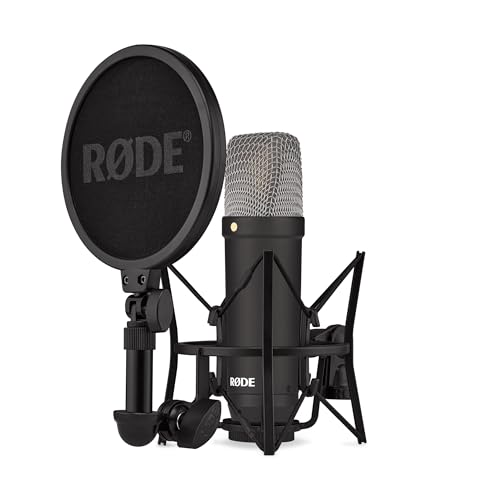
- Large-diaphragm condenser voicing
- Tight cardioid pickup pattern
- Shock mount, pop filter, and XLR cable included
Best For: Interface-based vocal podcast recording
Hybrid Podcast Setup

- USB and XLR connectivity
- Dynamic cardioid capsule for voice isolation
- Boom arm and monitoring controls included
Best For: Flexible beginner-to-upgrade podcast systems
Complete Two-Mic Bundle

- Two condenser mics and boom arms
- Built-in DSP presets and voice effects
- USB, AUX, and Bluetooth-enabled sound card
Best For: Dual-host podcasts and effect-rich streaming setups
Simple USB Starter

- Plug-and-play USB setup with volume control
- Cardioid pickup for clear voice recording
- Includes sturdy tripod and USB-A/C cable
Best For: Beginners and desktop podcasters
Complete Podcast Kit

- Includes boom arm, shock mount, pop filter, and windscreen
- 192kHz/24-bit USB recording support
- 16mm capsule for clear voice and bass response
Best For: New podcasters wanting a full starter setup
Flexible Multi-Pattern Pick

- Four selectable pickup patterns for varied setups
- Onboard gain, mute, and headphone controls
- Blue VO!CE software for broadcast-style effects
Best For: Podcasters and streamers needing recording flexibility
Best Budget Starter

- Cardioid pickup focuses on front-facing voice
- Plug-and-play USB setup for PC and Mac
- Includes tripod, shock mount, and pop filter
Best For: First-time podcasters and desktop recording
Best for RGB Setups

- 192kHz sampling rate for detailed audio
- Tap-to-mute button and gain knob
- Includes shock mount, pop filter, and tripod
Best For: Gamers and streamers who also record podcasts
Best Boom-Arm Kit

- Boom arm offers nearly 180° positioning
- Cardioid capsule emphasizes front-facing speech
- Includes pop filter, shock mount, and long USB cable
Best For: Creators who want adjustable, space-saving microphone placement
Versatile USB Pick – Blue Yeti Blackout
The Blue Yeti Blackout is a practical condenser microphone for podcasting when you want simple USB setup and flexible recording options. Its four pickup patterns, onboard controls, and included desktop stand make it suitable for solo recording, interviews, streaming, and other computer-based audio work.
Best For: Podcasters who want plug-and-play USB recording with multiple pickup patterns.
Pros:
- Four pickup patterns support cardioid, omnidirectional, bidirectional, and stereo recording.
- USB plug-and-play compatibility works with Mac and PC computers.
- Built-in gain, headphone volume, mute, and pattern controls simplify recording.
- Adjustable stand supports positioning and no-latency monitoring.
Cons:
- Its USB connection is less suited to setups built around an XLR interface.
- The 3.5-pound desktop design may be bulky for compact workspaces.
Choose this model for convenience and flexibility rather than a specialized studio workflow. Blue VO!CE software adds vocal effects and processing options, while the physical controls keep common adjustments close at hand.
Studio Vocal Choice – RØDE NT1 Signature
The RØDE NT1 Signature is a studio-oriented condenser microphone for podcasting that uses an XLR connection and a tight cardioid pattern. It includes a shock mount, pop filter, XLR cable, and dust cover, though recording requires an audio interface.
Best For: Voice-focused podcast setups using an audio interface or mixer.
Pros:
- Large-diaphragm condenser design uses the established NT1 studio voicing.
- Tight cardioid pickup focuses on the speaker and rejects room sound.
- Very low stated self-noise is suited to detailed vocal recording.
- Included shock mount, pop filter, and XLR cable provide a useful starting kit.
Cons:
- XLR connectivity requires a compatible audio interface.
- It is less immediate than a USB microphone for direct computer recording.
This is a strong fit when clean, focused vocals and a traditional studio signal path matter more than plug-and-play convenience. The included accessories reduce the need for several initial purchases.
Hybrid Podcast Setup – FIFINE AmpliTank K688T
The FIFINE AmpliTank K688T is a hybrid podcast microphone with USB and XLR connectivity, making it useful if you want an easy starting point with an upgrade path. Its dynamic cardioid capsule, boom arm, mute button, headphone monitoring, and included noise-reduction accessories are designed for desk-based podcasting and streaming.
Best For: Podcasters who need both direct USB recording and future XLR expansion.
Pros:
- USB and XLR outputs support computer recording or an interface and mixer.
- Cardioid dynamic design helps reduce sound from the sides, including computer noise.
- Tap-to-mute, gain, and headphone-volume controls are built in.
- Bundle includes a boom arm, windscreen, and shock mount.
Cons:
- As a dynamic microphone, it is not a condenser microphone for podcasting despite its podcast-focused design.
- Its listed frequency range is narrower than some studio condenser models.
Consider this model when flexibility and practical desk accessories are priorities. USB keeps setup straightforward, while XLR allows the microphone to remain useful as the rest of the recording system develops.
Complete Two-Mic Bundle – J.I.Y Podcast Equipment Kit
This J.I.Y bundle is a ready-to-use condenser microphone for podcasting package aimed at dual-host recording, streaming, singing, and gaming. It combines two studio condenser microphones, boom arms, a Bluetooth 5.1 sound card, DSP effects, and real-time monitoring with USB and AUX device compatibility.
Best For: Two-person podcasts and creators who want bundled effects and monitoring.
Pros:
- Two microphones and boom arms support dual-host recording.
- DSP processing provides presets and effects such as reverb, pitch, noise filtering, and voice changing.
- Real-time headphone monitoring is designed for zero-latency feedback.
- Supports smartphones, tablets, Windows, and macOS through USB or AUX connections.
Cons:
- The listed 45 dB signal-to-noise ratio is more modest than the specialized studio microphone options here.
- Its feature-rich sound card may be more equipment than a solo podcaster needs.
- Battery operation is listed at up to eight hours, so regular charging may be necessary.
This bundle makes the most sense when you need a complete two-microphone setup rather than a single mic. Its sound card and effects emphasize convenience and content creation versatility, while the included arms help keep the desk organized.
Simple USB Starter – FIFINE K669B
The FIFINE K669B is a straightforward condenser microphone for podcasting, meetings, streaming, and voice-over work. Its USB plug-and-play setup, included tripod, and built-in volume knob make it practical for desktop recording without a separate audio interface.
Best For: Beginners and desktop creators who want a compact, easy-to-use USB microphone.
Pros:
- Plug-and-play USB connection with USB-A/C cable options
- Cardioid pickup focuses on the main voice source and helps reduce background noise
- Metal construction and included tripod stand provide a sturdy desktop setup
- On-mic volume knob allows quick level adjustment or muting
Cons:
- Not compatible with Xbox or phones
- Tripod desktop placement may be less flexible than a boom-arm setup
- Requires disabling automatic volume adjustment in some applications for more consistent levels
The K669B is a sensible entry-level choice when simplicity matters most. It offers clear voice capture and useful controls, though creators seeking a more complete mounting kit or broader device compatibility may want to look elsewhere.
Complete Podcast Kit – MAONO A04 USB Microphone
The MAONO A04 is a condenser microphone for podcasting that arrives as a complete desktop recording kit. Its 16mm capsule, USB plug-and-play connection, pop filter, shock mount, and adjustable arm help streamline setup for podcasts, streaming, voice-over, and online calls.
Best For: New podcasters who want an all-in-one microphone and boom-arm package.
Pros:
- Includes adjustable scissor arm, shock mount, pop filter, windscreen, and cables
- 192kHz/24-bit chipset supports high-resolution recording
- 16mm condenser capsule is designed for clear audio and strong bass response
- Works with many computers, PS4, PS5, and mobile phones
Cons:
- Not compatible with Xbox
- Desk clamp fits surfaces less than 2.1 inches thick
- AU-A04 does not work with Maono Link software
The A04 stands out for value because it bundles the accessories commonly needed for a podcast workstation. Confirm your desk thickness and device compatibility before buying, especially if you plan to use Xbox or Maono Link.
Flexible Multi-Pattern Pick – Logitech Blue Yeti USB Mic
The Logitech Blue Yeti is a versatile condenser microphone for podcasting, streaming, music recording, and video calls. Its three-capsule array, four pickup patterns, onboard controls, and no-latency headphone monitoring give creators more control over different recording arrangements.
Best For: Podcasters and streamers who need multiple pickup patterns and hands-on audio controls.
Pros:
- Four pickup patterns: cardioid, omnidirectional, bidirectional, and stereo
- Onboard gain, headphone volume, pattern selection, and mute controls
- Adjustable desktop stand supports positioning toward the sound source
- Blue VO!CE software adds broadcast-style effects and audio samples
Cons:
- Uses a USB-A connection
- Its broader pickup options require careful pattern selection for focused solo podcasting
- Desktop design is relatively large and weighs 3.2 pounds
The Blue Yeti is a strong choice for creators who want one microphone to handle solo speech, interviews, group recording, and instruments. Its flexibility is greater than a fixed-pattern desktop mic, but the larger body and extra controls may be unnecessary for a basic single-speaker setup.
Best Budget Starter – TONOR TC-777 USB Podcast Mic
The TONOR TC-777 is a practical condenser microphone for podcasting, voice recording, and online communication. Its cardioid pickup pattern focuses on sound from the front, while the included tripod, shock mount, and pop filter help you create a cleaner desktop setup without additional drivers.
Best For: First-time podcasters, remote workers, streamers, and creators who want a simple USB microphone kit for PC or Mac.
Pros:
- Cardioid pickup helps reduce unwanted background sound.
- Plug-and-play USB connection works with Windows and Mac computers.
- Includes a foldable tripod, shock mount, and pop filter.
- One-click mute and volume controls simplify recording and calls.
Cons:
- Not compatible with Xbox.
- Designed for desktop use rather than a boom-arm setup.
The TC-777 stands out as an accessible all-in-one option. It is especially useful when you want the essential podcast accessories included and prefer a compact, straightforward USB setup.
Best for RGB Setups – FIFINE AmpliGame A6V USB Mic
The FIFINE AmpliGame A6V combines a condenser microphone for podcasting with gaming-focused controls and RGB lighting. Its cardioid pattern, 192kHz sampling rate, shock mount, and pop filter make it suited to voice recording, streaming, and team chat from a desktop.
Best For: Gamers, streamers, and podcasters who want quick controls, a visual RGB accent, and a bundled desktop microphone setup.
Pros:
- 192kHz sampling rate is designed to capture detailed audio.
- Cardioid pickup and 70dB signal-to-noise ratio support clearer voice capture.
- Tap-to-mute button and gain knob are easy to access.
- Includes a shock mount, pop filter, tripod, and detachable USB cable.
Cons:
- RGB lighting may be unnecessary for a traditional podcast workspace.
- The supplied specifications list a 60Hz–18kHz frequency range.
The A6V is a flexible choice for creators who move between podcasting, streaming, and gaming. Its desktop accessories and onboard controls reduce the need to reach for software during a recording or live session.
Best Boom-Arm Kit – FIFINE AmpliGame A6T USB Mic
The FIFINE AmpliGame A6T is a condenser microphone for podcasting that comes as a more flexible boom-arm kit. Its cardioid capsule is intended to emphasize front-facing speech, while the included arm, shock mount, pop filter, and touch-mute control support a tidy recording and streaming workflow.
Best For: Podcasters, gamers, and streamers who need adjustable positioning and want to keep the microphone off the main desktop surface.
Pros:
- Includes a boom arm with nearly 180° up-and-down adjustment.
- Cardioid pickup helps reduce noise from behind the microphone.
- Touch-mute button and large volume knob provide convenient control.
- Includes an 8.2-foot USB-C to USB-A/C cable, shock mount, pop filter, and clamp.
Cons:
- The C-clamp fits desks up to 2 inches thick.
- Boom-arm installation requires adjusting the clamp and arm screws.
- RGB lighting may not suit minimalist recording spaces.
The A6T is the strongest fit here for creators who value positioning flexibility. The boom arm lets you pull the microphone close while recording and fold it away when you need more desk space.
How We Picked the Best Condenser Microphone for Podcasting
We compared these microphones and kits by looking at connection options, stated audio resolution, pickup pattern, monitoring controls, included accessories, compatibility, and intended use. USB models received particular attention for plug-and-play podcasting, while XLR-capable and studio-focused options were considered for creators who want more control or future upgrade potential.
Because microphone performance also depends on room acoustics, distance, and technique, we prioritized practical features such as cardioid pickup, headphone monitoring, gain control, mute functions, and included stands or accessories where available.
Quick Comparison
| Best For | Look For | Recommended Type |
|---|---|---|
| Simple solo podcasts | USB connection, headphone jack, easy controls | USB condenser microphone |
| Growing creators | USB and XLR flexibility | Dual-output microphone |
| Studio recording | Detailed capture and an audio interface | XLR condenser microphone |
| Streaming and gaming | Mute, RGB, monitoring, desk mounting | USB gaming microphone |
| All-in-one production | Sound card, effects, accessories | Podcast equipment bundle |
Key Buying Factors for a Condenser Microphone for Podcasting
USB Vs. XLR
USB microphones connect directly to a computer and are usually the easiest choice for beginners, remote recording, and mobile setups. XLR microphones require an audio interface or mixer but can offer more flexible gain staging and a clearer upgrade path. Some models support both, giving you convenience now and expansion options later.
Pickup Pattern and Room Noise
A cardioid microphone focuses primarily on sound from the front and reduces some noise from behind. It still captures room reflections, keyboard noise, and nearby conversations, so use it close to your mouth and record in the quietest, least reflective space available.
Monitoring and Controls
A built-in headphone output lets you hear your voice without relying on delayed computer playback. Dedicated gain, volume, and mute controls can make live recording easier, especially when switching between podcasting, streaming, and video calls.
Resolution and Accessories
Higher sample-rate and bit-depth specifications can provide recording flexibility, but they do not automatically guarantee better results. A stable stand, shock mount, pop filter, and appropriate microphone placement often matter just as much. Check what is included before buying additional gear.
Who Should Buy Which Condenser Microphone for Podcasting?
Choose a basic USB model if you want fast setup for solo episodes, meetings, voiceovers, or occasional streaming. Choose a feature-rich USB microphone if you want onboard controls and a more polished desktop workflow. Choose an XLR or dual-output model if you plan to add an interface, mixer, multiple microphones, or more advanced processing.
Choose a studio condenser when detailed vocal capture is the priority and your recording space is reasonably quiet. Choose a gaming-focused microphone if streaming controls, RGB lighting, and desk convenience matter as much as spoken-word recording. Finally, choose a bundle if you need several pieces at once and prefer a coordinated starter setup over selecting every accessory separately.