
Choosing the right NAS drive matters when your data is always on the line. For homes, small businesses, and growing media libraries, a high endurance NAS hard drive should balance reliability, vibration tolerance, capacity, and workload rating.
Our roundup focuses on drives that are better suited to 24/7 use than ordinary desktop hard drives, with options for budget NAS setups, larger RAID arrays, and heavier write environments.
Best 10 High Endurance NAS Hard Drive Picks for 2026
Capacity-focused NAS Pick
WD Red Plus 8TB for 24x7 SMB Storage

- 180 TB/yr workload rating
- CMR with NASware firmware
- Built for 24x7 SMB NAS use
Best For: Small or medium business NAS systems needing dependable always-on storage
Value NAS Choice
WD Red Plus 4TB for Compact Storage

- 4TB NAS-oriented capacity
- 256MB cache, 5400 RPM
- 3-year warranty included
Best For: Smaller NAS setups that need dependable everyday storage
Enterprise Capacity Pick
Exos X16 16TB Renewed NAS Drive

- 16TB, 7200 RPM, 256MB cache
- 550TB/yr workload and 2.5M hour MTBF
- CMR with 24/7 operation support
Best For: High-capacity NAS arrays and demanding enterprise-style storage
Heavy-Use NAS Upgrade
WD Red Pro 10TB for High-Intensity Workloads

- 7200 RPM class with 256MB cache
- CMR and RAID-optimized for up to 24 bays
- Vibration and shock protection
Best For: Medium or large business NAS systems needing stronger performance and RAID support
Premium 14TB NAS Performance
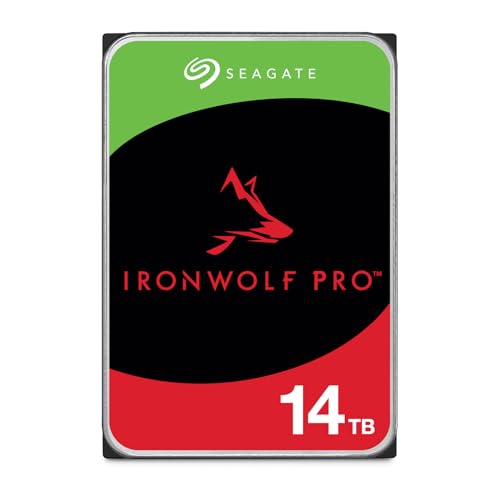
- 14TB CMR drive with up to 250MB/s read speed
- Built for up to 24-bay multi-user NAS environments
- Includes IronWolf Health Management and data recovery service
Best For: Large NAS arrays and RAID users needing high-capacity endurance
Balanced Small-Business NAS Drive
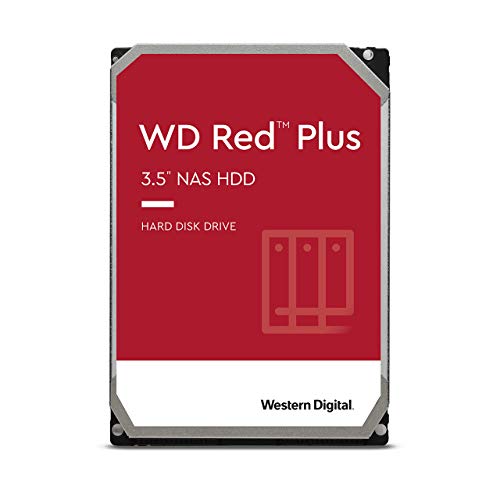
- CMR NAS drive with NASware firmware for compatibility
- Supports up to 8 bays and 24x7 operation
- Rated for up to 180 TB/yr workload
Best For: Small-business NAS systems needing reliable always-on storage
High-Duty 10TB NAS Choice

- 10TB CMR drive with up to 214MB/s read speed
- Made for up to 24-bay multi-user NAS systems
- Includes health monitoring and rescue data recovery
Best For: RAID and multi-user NAS setups that need dependable endurance
High-Endurance Pick

- CMR drive with NASware firmware
- 7200 RPM class and 512 MB cache
- Up to 180 TB/yr workload rating
Best For: Small NAS systems needing reliable 24x7 storage
Pro Workload Choice
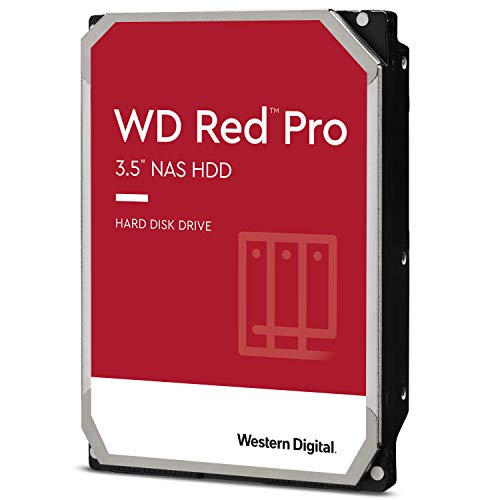
- Supports up to 24-bay NAS systems
- 300 TB/yr workload rating
- NASware 3.0 with 5-year warranty
Best For: Busy business NAS arrays and RAID-heavy workloads
Value CMR Option

- CMR drive with NASware firmware
- Supports up to 8 bays
- Up to 180 TB/yr workload rate
Best For: Budget-conscious NAS owners who still want CMR reliability
Capacity-focused NAS Pick – WD Red Plus 8TB for 24×7 SMB Storage
If you want a high endurance NAS hard drive for a small or medium business setup, the WD Red Plus 8TB is built for 24×7 operation and RAID-ready NAS use. Its CMR design, NASware firmware, and 180 TB/yr workload rating make it a solid choice when you need dependable storage rather than flashy desktop speed.
Best For: Small or medium business NAS systems that need steady, always-on storage with a higher workload rating.
Pros:
- Supports up to 180 TB/yr workload rate for NAS duty
- CMR recording and NASware firmware for compatibility
- Designed for 24×7 small or medium business NAS environments
- 8TB capacity with 256MB cache and SATA 6 Gb/s connectivity
Cons:
- 5640 RPM class is tuned for reliability, not maximum speed
- 3-year limited warranty is shorter than some enterprise-class options
Overall, this is a practical high endurance NAS hard drive when you want proven WD Red Plus positioning and a workload rating that fits continuous storage use. It is best thought of as a dependable capacity-first drive for routine NAS operation.
Value NAS Choice – WD Red Plus 4TB for Compact Storage
The WD Red Plus 4TB is a straightforward high endurance NAS hard drive for compact network storage builds where reliability matters more than raw performance. With 5400 RPM operation, 256MB cache, and SATA 6 Gb/s support, it fits the role of a steady internal drive for NAS use.
Best For: Smaller NAS setups that need a reliable 4TB drive with standard WD Red Plus positioning.
Pros:
- NAS-focused drive with 4TB capacity
- 256MB cache and SATA 6 Gb/s connectivity
- 5400 RPM class for steady, lower-intensity operation
- 3-year warranty for added peace of mind
Cons:
- Lower 4TB capacity may fill quickly in growing NAS systems
- No explicit workload rating listed in the supplied notes
This model makes sense if you want a simpler WD Red Plus option for a modest NAS array. It is not the fastest choice, but it is aligned with practical storage needs and basic long-term use.
Enterprise Capacity Pick – Exos X16 16TB Renewed NAS Drive
If your priority is a high endurance NAS hard drive with enterprise-style specs, this renewed Exos X16 brings 16TB capacity, 7200 RPM operation, and CMR technology. The supplied notes also highlight 24/7 support, a 2.5 million hour MTBF rating, and a 550TB/year workload figure, making it aimed at demanding storage environments.
Best For: High-capacity NAS arrays and enterprise-style storage setups that need strong workload handling.
Pros:
- Large 16TB capacity for dense storage needs
- 7200 RPM and 256MB cache for stronger performance
- CMR technology with 24/7 operation support
- 550TB/year workload rating and 2.5 million hour MTBF
Cons:
- Renewed condition may not suit buyers wanting brand-new hardware
- 90-day limited warranty is short for an enterprise-style drive
For buyers focused on capacity and endurance, this drive stands out on the spec sheet. The tradeoff is the renewed status and shorter warranty, so it is best when value and high-spec storage matter more than long manufacturer coverage.
Heavy-Use NAS Upgrade – WD Red Pro 10TB for High-Intensity Workloads
The WD Red Pro 10TB is positioned as a high endurance NAS hard drive for medium or large businesses that need RAID-optimized storage and handling for high-intensity workloads. With 7200 RPM class performance, CMR technology, 256MB cache, and support for up to 24 bays, it is built for more demanding NAS deployments.
Best For: Medium or large business NAS systems that need stronger performance and multi-bay RAID support.
Pros:
- 7200 RPM class with 256MB cache for faster handling
- CMR design for RAID-optimized NAS systems
- Supports up to 24 bays for larger arrays
- Includes vibration and shock protection features
Cons:
- Higher-performance class may not be necessary for basic home NAS use
- Warranty details depend on authorized purchase and region
If you are building a busier NAS and want a drive aimed at heavier workloads, this Red Pro model is the most performance-oriented WD option here. It balances capacity, durability features, and array support for users who need more than entry-level storage.
Premium 14TB NAS Performance – Seagate IronWolf Pro 14TB
If you need a high endurance NAS hard drive for a busy multi-user setup, the Seagate IronWolf Pro 14TB is built for heavy RAID and NAS workloads. Its 14TB CMR design, 7200 RPM speed, and up to 250MB/s read performance make it a strong fit for users who want capacity and responsiveness in one drive.
Best For: Large NAS arrays, RAID storage, and users who want built-in drive health monitoring plus data recovery support.
Pros:
- Up to 24-bay NAS support for demanding multi-user environments
- 14TB capacity with speeds up to 250MB/s
- IronWolf Health Management for monitoring drive health
- 5-year limited warranty and 3 years of Rescue Data Recovery Services
Cons:
- Higher-capacity NAS drive may be more than small setups need
- Designed for internal installation only
Overall, this is a strong endurance-focused option if your NAS needs both high capacity and long-term reliability. The combination of CMR recording, RAID readiness, and included recovery coverage makes it especially practical for storage you depend on.
Balanced Small-Business NAS Drive – WD Red Plus 8TB
The Western Digital WD Red Plus 8TB is a practical high endurance NAS hard drive for small or medium business systems running 24×7. With CMR recording, 7200 RPM operation, NASware firmware, and support for up to 8 bays, it is aimed at steady NAS use rather than flashy peak specs.
Best For: Small-business NAS setups and home servers that need dependable 24×7 storage compatibility.
Pros:
- CMR design with NASware firmware for compatibility
- Supports up to 8 bays and 24×7 environments
- Workload rate up to 180 TB/yr
- 8TB capacity in a standard 3.5-inch internal drive format
Cons:
- Lower capacity than some higher-end NAS options
- 3-year warranty is shorter than some competing pro-grade drives
For buyers who value stable NAS operation over maximum capacity, this drive offers a solid mix of compatibility and workload support. It is a sensible choice when you want dependable storage for a small or medium NAS without overbuying.
High-Duty 10TB NAS Choice – Seagate IronWolf Pro 10TB
If you want a high endurance NAS hard drive with strong all-around specs, the Seagate IronWolf Pro 10TB is built for multi-user NAS server environments and RAID use. Its 10TB CMR design, 7200 RPM speed, and up to 214MB/s read rate make it a capable option for storing and sharing data in busy systems.
Best For: RAID-based NAS setups and users who want long-term reliability with included recovery coverage.
Pros:
- Designed for up to 24-bay, multi-user NAS environments
- 10TB CMR drive with up to 214MB/s read speed
- IronWolf Health Management for monitoring drive status
- 5-year limited warranty plus 3 years of Rescue Data Recovery Services
Cons:
- 10TB capacity may be limiting for larger archives
- Internal drive only, so it requires a compatible NAS or desktop install
This model lands in a useful middle ground: high-capacity enough for many NAS users, but still tuned for endurance and data protection. If you want a dependable NAS drive with pro-level support features, it is an easy one to consider.
High-Endurance Pick – WD Red Plus 12TB 7200 RPM
If you want a high endurance NAS hard drive for a small or medium business setup, this 12TB WD Red Plus is built for 24×7 NAS use with CMR recording, NASware firmware, and support for up to 8 bays. Its 7200 RPM class and 512 MB cache make it a strong fit when you want dependable performance for shared storage and regular file access.
Best For: Small NAS environments that need a reliable 12TB drive for continuous operation and solid compatibility.
Pros:
- CMR design and NASware firmware for NAS compatibility
- 7200 RPM class with 512 MB cache
- Supports up to 8 bays and up to 180 TB/yr workload rate
- 3-year limited warranty
Cons:
- Rated for up to 8 bays, so it is not the best fit for larger NAS arrays
- Workload rating is lower than WD Red Pro
This drive makes sense if you want a practical high-endurance option for a smaller NAS without stepping up to a more expensive pro-class model. It balances capacity, compatibility, and sustained use well for business storage.
Pro Workload Choice – WD Red Pro 16TB 7200 RPM
WD Red Pro 16TB NAS 3.5" Internal Hard Drive - 7200 RPM Class, SATA 6 Gb/s, CMR, 512MB Cache
Check Price On AmazonThis high endurance NAS hard drive is aimed at heavier business workloads, with support for up to 24-bay NAS systems and a 300 TB/yr workload rate. The 16TB WD Red Pro uses CMR, runs in the 7200 RPM performance class, and includes NASware 3.0 plus 3D Active Balance Plus for better reliability in demanding 24×7 environments.
Best For: Medium or large business NAS setups that need higher workload handling and broad RAID or archive use.
Pros:
- Supports up to 24 bays
- Up to 300 TB/yr workload rate for demanding use
- 7200 RPM performance class with 512 MB cache
- 5-year limited warranty and reliability features like NASware 3.0
Cons:
- More drive than a small home NAS usually needs
- Positioned for business use, so it may be overkill for lighter storage needs
If endurance and expansion matter most, this is the strongest fit in the group. It is built for frequent sharing, RAID rebuilding, and long-term business NAS duty.
Value CMR Option – WD Red Plus 12TB 5400 RPM
For buyers seeking a high endurance NAS hard drive without moving up to a pro tier, this 12TB WD Red Plus offers CMR recording, NASware firmware, and support for up to 8 bays. Its 5400 RPM performance class and 256 MB cache make it a sensible choice for 24×7 NAS use where compatibility and steady operation matter more than top-end speed.
Best For: Small or medium NAS users who want a CMR drive with dependable long-term compatibility.
Pros:
- CMR technology with NASware firmware
- Supports up to 8 bays and up to 180 TB/yr workload rate
- 5400 RPM class for steady NAS operation
- 3-year limited warranty
Cons:
- 5400 RPM class is slower than the 7200 RPM models here
- 256 MB cache is smaller than the other drives in this roundup
This model is a straightforward fit if your priority is NAS-friendly CMR storage and proven compatibility. It is a practical choice for users who value endurance and stability over faster drive performance.
How We Picked the Best High Endurance NAS Hard Drive
We prioritized NAS-focused models with CMR recording, strong reputations for multi-bay operation, and specifications that support continuous use. We also weighed capacity range, spindle speed, cache size, and warranty-backed positioning, since those details often matter more than headline speed in a High Endurance NAS Hard Drive.
Quick Comparison
In general, WD Red Plus models are a strong fit for everyday NAS use, WD Red Pro and Seagate IronWolf Pro target heavier workloads and larger RAID environments, and enterprise-class options like the Exos X16 make sense when raw capacity and sustained duty cycles are the top priorities.
Key Buying Factors for a High Endurance NAS Hard Drive
CMR Vs. SMR
For NAS and RAID, CMR is the safer choice because it delivers more consistent performance during rebuilds, resyncs, and frequent writes. If a drive is going into a mirrored pair or RAID array, avoid SMR unless the system documentation explicitly says it is appropriate.
Capacity and Array Growth
Buy with expansion in mind. Larger drives reduce the number of bays needed for a given amount of storage, but they also make rebuilds more time-consuming. Match capacity to your current needs plus a realistic growth plan.
RPM, Cache, and Workload Rating
7200 RPM drives usually offer stronger sustained performance, especially for multi-user environments, while lower-RPM NAS drives can be quieter and cooler for lighter-duty use. Cache helps with burst activity, but workload rating and NAS optimization are more meaningful indicators of endurance.
Warranty, Recovery, and Compatibility
Look for longer warranties and NAS-specific features such as vibration management and health monitoring. Also confirm compatibility with your NAS enclosure, especially if you are mixing capacities or using older hardware.
Who Should Buy Which High Endurance NAS Hard Drive?
Light home users and media collectors can usually start with WD Red Plus models, especially if noise and power efficiency matter. Small businesses, photographers, and frequent writers should lean toward WD Red Pro or IronWolf Pro for stronger sustained performance. If you need maximum capacity for backups, archives, or a large RAID set, enterprise drives like the Exos X16 are worth considering.
If you want the safest all-around choice, pick a CMR-based NAS drive that matches your workload rather than chasing the highest speed rating. The best High Endurance NAS Hard Drive is the one that fits your bay count, uptime expectations, and long-term storage plan.