
Choosing the right monitor for architects can make daily drafting, 3D modeling, and presentation work noticeably easier. The best options balance sharp detail, accurate color, and enough screen space to keep plans, palettes, and toolbars organized.
In this roundup, we focus on displays that make sense for architectural workflows, from precise 27-inch 4K models to roomy ultrawides that improve multitasking and side-by-side comparison.
Best 10 Monitor for Architects Picks for 2026
Pro Color 27-inch 4K Choice
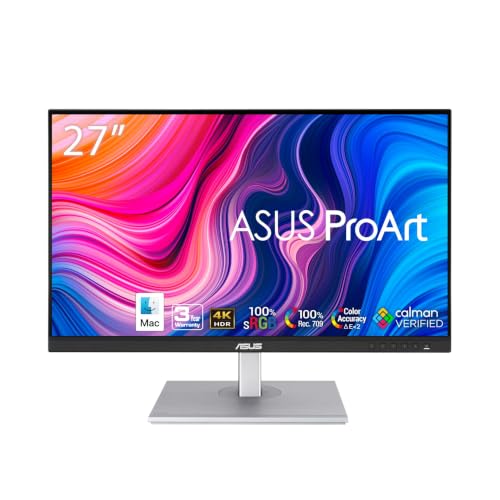
- 4K UHD detail in a 27-inch IPS panel
- Factory calibrated, Calman Verified, ΔE < 2
- USB-C 65W plus HDMI, DisplayPort, USB hub
Best For: Color-critical architecture work and client presentations
Wide Workspace Multitask Pick
Samsung ViewFinity S50GC 34-inch

- 34-inch Ultra-WQHD ultrawide for big workspaces
- PIP and PBP support two sources at once
- Eye Saver Mode and Flicker Free help comfort
Best For: Multitasking across plans, references, and project tools
Compact Precision Creator Pick
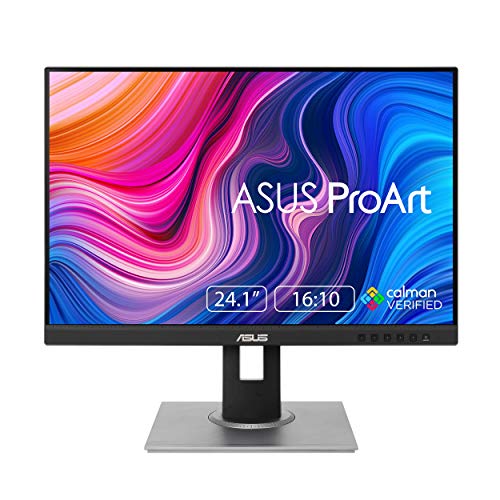
- 16:10 layout adds useful vertical workspace
- 100% sRGB/Rec.709 with DeltaE < 2 accuracy
- Fully adjustable stand and 5-year warranty
Best For: Smaller desks and detailed 2D drafting work
Curved Connectivity Productivity Pick

- 34-inch curved ultrawide with 3440 x 1440 resolution
- 99% sRGB and 95% DCI-P3 color coverage
- USB-C with up to 65W power delivery
Best For: Clean-desk ultrawide productivity and mixed creative work
4K Precision Pick
LG 27UP650K-W 27-inch Ultrafine 4K UHD Monitor

- 27-inch 4K IPS panel for crisp detail
- Up to 95% DCI-P3 with DisplayHDR 400
- Height, tilt, and pivot adjustable stand
Best For: Architects who want a compact 4K monitor with good color and flexible ergonomics
Ultrawide Workflow Choice
Sceptre 34-Inch Curved Ultrawide WQHD Monitor

- 34-inch 21:9 ultrawide adds about 30% more space
- 3440 x 1440 WQHD resolution for detailed work
- 99% sRGB with flexible HDMI and DisplayPort inputs
Best For: Architects who want a wide workspace for multitasking and side-by-side references
Ultrawide Productivity Pick
INNOCN 34C1R Ultrawide 1440p IPS

- 21:9 ultrawide format gives you room for multiple windows and drawings.
- 3440 x 1440 IPS display with 100% sRGB helps keep visuals consistent.
- Height-adjustable stand and eye-care features support long work sessions.
Best For: Architects needing a spacious ultrawide monitor for multitasking
Color Accuracy Pick

- Delta E < 2 and Calman Verified for dependable color accuracy.
- 100% sRGB and Rec. 709 coverage fit design and review work.
- USB hub and flexible stand add convenience for a clean desk.
Best For: Architects who prioritize accurate color and a traditional 27-inch workspace
Single-Cable Setup Pick
LG 34U650A-B 34" UltraWide IPS

- 34-inch 21:9 curved ultrawide display gives you more room to work.
- USB-C with 96W power delivery simplifies laptop-based setups.
- Up to 99% sRGB and HDR10 support help keep visuals balanced.
Best For: Architects who want ultrawide productivity with USB-C convenience
Pro Color 27-inch 4K Choice – ASUS ProArt PA279CV
If you want a monitor for architects that balances sharp detail, accurate color, and flexible connectivity, the ASUS ProArt PA279CV is a very practical 27-inch 4K option. Its factory calibration, ΔE < 2 accuracy, and 100% sRGB / Rec. 709 coverage make it well suited to drawings, presentations, and visual reviews where color consistency matters.
Best For: Architects who need a color-accurate 4K monitor for design review, client presentations, and laptop-based workflows.
Pros:
- 27-inch 4K UHD resolution gives crisp detail for plans, elevations, and layered documents
- Factory calibrated with Calman Verified validation and ΔE < 2 color accuracy
- 100% sRGB and 100% Rec. 709 coverage supports reliable visual work
- USB-C with 65W power delivery plus HDMI, DisplayPort, and USB hub improve desk flexibility
Cons:
- 60Hz refresh rate is fine for productivity, but not aimed at fast-motion use
- 27-inch size offers less lateral workspace than ultrawide alternatives
For architecture work that values precise color and high resolution over sheer screen width, this ProArt model is a strong all-around pick. The 5-year warranty also adds confidence for long-term studio use.
Wide Workspace Multitask Pick – Samsung ViewFinity S50GC 34-inch
For architects who need more room for side-by-side plans, references, and tools, this monitor for architects delivers a 34-inch Ultra-WQHD canvas in a 21:9 format. The 3440 x 1440 resolution, PIP/PBP support, and borderless design make it easier to keep multiple windows visible without constantly switching between them.
Best For: Architects who want a wide screen for multitasking, design review, and comparing project files.
Pros:
- 34-inch Ultra-WQHD 21:9 display provides broad workspace for multitasking
- PIP and PBP let you view two sources at once
- 100Hz refresh rate helps motion feel smoother during work and design review
- Eye Saver Mode, Flicker Free, and ambient light sensor support comfortable long sessions
Cons:
- Color coverage is listed at 72, so it is less color-focused than ProArt models
- Built-in ergonomics and input options are more basic than some premium creator displays
This is a strong productivity-first ultrawide for architectural workflows that reward screen space more than color-critical calibration. It is especially appealing if you keep drawings, documents, and communication tools open together all day.
Compact Precision Creator Pick – ASUS ProArt PA248QV
If you prefer a smaller monitor for architects with a taller 16:10 layout, the ASUS ProArt PA248QV is built for practical desktop work. Its WUXGA 1920 x 1200 resolution, 100% sRGB / Rec.709 coverage, and DeltaE < 2 calibration make it a dependable choice for accurate viewing, especially when space is limited.
Best For: Architects who want a compact, color-accurate display for drafting, documentation, and portable workstation setups.
Pros:
- 16:10 aspect ratio and 1920 x 1200 resolution give extra vertical room for documents and drawings
- 100% sRGB / Rec.709 with Calman Verified DeltaE < 2 supports accurate color work
- Height, pivot, swivel, and tilt adjustments make it easy to position on a desk
- 5-year warranty adds long-term value for studio use
Cons:
- 24.1-inch screen is smaller than many monitors used for full-scale multitasking
- WUXGA resolution is solid, but not as detailed as 4K alternatives
This model makes sense when you want color accuracy and a workspace-friendly size without stepping up to a larger or more expensive panel. The taller screen shape is especially useful for timelines, sheets, and vertical documents.
Curved Connectivity Productivity Pick – Dell 34 Plus S3425DW
For architects who want a roomy, modern monitor for architects with simple cabling, the Dell 34 Plus USB-C Curved Monitor brings a 34-inch 3440 x 1440 ultrawide panel, USB-C power delivery, and strong color coverage. Its 99% sRGB and 95% DCI-P3 specs, along with the 3000:1 contrast ratio, make it a capable choice for everyday design review and office work.
Best For: Architects who want an ultrawide USB-C monitor for streamlined desks, multitasking, and mixed office/design use.
Pros:
- 34-inch curved 21:9 display gives lots of room for side-by-side work
- 99% sRGB and 95% DCI-P3 coverage support vivid, true-to-life color
- USB-C with up to 65W power delivery helps reduce cable clutter
- Integrated speakers and 120Hz refresh rate add convenience and smoothness
Cons:
- VA panel may not be the first choice for users who prefer IPS viewing characteristics
- Color-focused work may still favor a factory-calibrated ProArt monitor
This Dell is a good fit if you want a wide, comfortable everyday display with cleaner connectivity than a traditional dual-cable setup. It leans more toward productivity and general creative use than strict color-critical grading.
4K Precision Pick – LG 27UP650K-W 27-inch Ultrafine 4K UHD Monitor
If you want a monitor for architects that emphasizes crisp detail and color accuracy, this 27-inch LG 4K IPS display is a strong fit. Its 3840 x 2160 resolution, 95% DCI-P3 coverage, and DisplayHDR 400 support make it well suited to reviewing drawings, renderings, and visual presentations with clarity.
Best For: Architects and designers who want a compact 4K monitor with strong color and ergonomic adjustment.
Pros:
- 4K UHD resolution on a 27-inch IPS panel for sharp line work and detailed visuals
- Up to 95% DCI-P3 color gamut and DisplayHDR 400 for richer color output
- Height, tilt, and pivot adjustable stand for flexible desk positioning
- Switch app supports split-screen multitasking and quick layout changes
Cons:
- 60Hz refresh rate is basic if you also want a faster-motion display
- 1-year manufacturer warranty is shorter than some premium alternatives
Overall, this LG is a practical monitor for architects who value a sharp 4K workspace and dependable color more than gaming features. The ergonomic stand and multitasking tools add real utility for everyday design work.
Ultrawide Workflow Choice – Sceptre 34-Inch Curved Ultrawide WQHD Monitor
For a monitor for architects that prioritizes screen space, this 34-inch curved ultrawide offers a lot of room for plans, timelines, and reference materials. The 3440 x 1440 WQHD resolution and 21:9 aspect ratio give you noticeably more workspace than a standard 16:9 display.
Best For: Architects who want a wide layout for multitasking and side-by-side project work.
Pros:
- 34-inch 21:9 ultrawide format provides about 30% more screen space
- 3440 x 1440 WQHD resolution adds detail over 1080p
- 99% sRGB coverage supports color-rich photo and video editing
- Two DisplayPort and two HDMI ports make connectivity flexible
Cons:
- VA panel and 280 cd/m brightness are less premium than some IPS alternatives
- Built-in speakers are only 2 x 3W, so audio quality will be limited
This Sceptre is best viewed as a productivity-first ultrawide for architects who want more room to spread out documents and visuals. It is less about premium panel refinement and more about giving you a broad, efficient workspace.
USB-C Desk Upgrade – Dell 27 Plus QHD USB-C Monitor S2725DC
This monitor for architects blends sharp QHD resolution with modern USB-C convenience, making it a smart fit for streamlined desk setups. The 27-inch IPS panel, 144Hz refresh rate, and 99% color gamut support clean visuals for design review and everyday productivity.
Best For: Architects who want a clean USB-C monitor with strong ergonomics and smoother motion.
Pros:
- QHD 2560 x 1440 resolution on a 27-inch IPS panel
- USB-C connectivity with up to 65W power delivery helps reduce cable clutter
- Height, tilt, pivot, and swivel adjustment for flexible positioning
- 4-star TÜV-certified eye comfort plus built-in dual 3W speakers
Cons:
- 1 HDMI port may be limiting for setups with multiple video sources
- 8ms response time is slower than the listed 1ms MPRT claim for some use cases
For architects building a tidy, modern workstation, this Dell stands out for its USB-C simplicity and versatile stand. It balances detailed QHD visuals with practical comfort features that make long desk sessions easier.
Ultrawide Productivity Pick – INNOCN 34C1R Ultrawide 1440p IPS
If you want a monitor for architects that makes side-by-side plans, reference images, and design tools easier to manage, this 34-inch ultrawide is built for that kind of workflow. The 21:9 3440 x 1440 IPS panel gives you a wide canvas, while the adjustable stand and eye-care features help make long drafting or review sessions more comfortable.
Best For: Architects and designers who need extra horizontal space for multitasking and visual comparison.
Pros:
- 34-inch 21:9 ultrawide layout provides desktop space similar to two monitors side by side.
- 3440 x 1440 IPS panel with 100% sRGB support offers solid color consistency for creative work.
- Fully adjustable stand includes height and tilt options for more comfortable viewing.
- Eye-care features like Low Blue Light and Flicker-Free mode help reduce strain during long sessions.
Cons:
- Built-in speakers are included, but they are basic dual 2W units.
- It is aimed at general productivity and gaming-style performance rather than professional calibration workflows.
- The ultrawide format may not suit users who prefer a traditional 16:9 layout.
For architects who value screen real estate over extreme color-critical features, this INNOCN delivers a practical balance of width, clarity, and comfort. It is especially appealing if you regularly compare drawings, keep multiple documents open, or want a single-screen setup that feels spacious.
Color Accuracy Pick – ASUS ProArt PA278QV 27 WQHD
For a monitor for architects who care about dependable image accuracy, this ASUS ProArt model focuses on precision rather than flashy specs. Its 27-inch WQHD IPS panel, Calman Verification, and Delta E < 2 rating make it a strong fit for reviewing drawings, renderings, and presentation visuals with confidence.
Best For: Architects who want a color-accurate, well-rounded 27-inch display for design review and daily work.
Pros:
- Calman Verified with Delta E < 2 accuracy for reliable out-of-the-box color performance.
- 100% sRGB and 100% Rec. 709 support suit design, photo, and video workflows.
- WQHD IPS panel provides crisp detail in a practical 27-inch size.
- Strong connectivity and a built-in USB hub help keep a workspace organized.
Cons:
- 75Hz refresh rate is modest compared with higher-refresh monitors.
- It uses a standard 16:9 aspect ratio, so it offers less horizontal workspace than ultrawide options.
- Not designed as a high-performance gaming display.
If your architectural work leans more toward precision than screen width, the ProArt PA278QV is an easy recommendation. It focuses on color accuracy, flexible ergonomics, and practical connectivity, which makes it a dependable daily monitor for professional review work.
Single-Cable Setup Pick – LG 34U650A-B 34" UltraWide IPS
This monitor for architects is built for a cleaner, more efficient desk setup. The 34-inch 21:9 curved UltraWide IPS display gives you plenty of room for plans and reference windows, while USB-C with up to 96W power delivery lets you handle display, data, and laptop charging through one cable.
Best For: Architects who want an ultrawide monitor with simple USB-C docking and comfortable all-day viewing.
Pros:
- 34-inch 3440 x 1440 ultrawide display creates ample room for multitasking.
- USB-C supports display, data, and up to 96W charging through a single connection.
- IPS panel with up to 99% sRGB and HDR10 delivers consistent, balanced visuals.
- Tilt, swivel, and height adjustments help you dial in a comfortable viewing position.
Cons:
- 100Hz refresh rate is good for smooth motion, but it is not a specialist high-refresh display.
- Built-in speakers are convenient, but audio needs will vary by user.
- Its curved ultrawide shape may not be ideal for everyone who prefers a flat screen.
For architects who want a wide workspace without a cluttered desk, the LG 34U650A-B is especially compelling. It combines ultrawide productivity, solid color coverage, and one-cable USB-C simplicity in a setup that is easy to live with every day.
How We Picked the Best Monitor for Architects
For a Monitor for Architects, we prioritized image clarity, panel quality, color accuracy, and workspace efficiency. We gave extra weight to 4K and high-resolution ultrawide displays, wide sRGB coverage, factory calibration claims, and practical connectivity such as USB-C, DisplayPort, and HDMI.
We also considered ergonomics and real-world use: whether the screen is large enough for plan review, whether the aspect ratio supports multitasking, and whether the monitor is suitable for long sessions without excessive eye strain.
Quick Comparison
Choose 27-inch 4K or QHD if you want crisp linework and dependable color in a compact footprint. Choose 34-inch ultrawide if you prefer more horizontal room for CAD, BIM, reference sheets, and multiple windows. If you work between office and home setups, USB-C models can reduce cable clutter and simplify docking.
Key Buying Factors for a Monitor for Architects
Resolution and Screen Size
Higher resolution matters because architectural drawings, text, and interface elements all benefit from sharper detail. A 27-inch 4K display is a strong all-around choice, while 3440 x 1440 ultrawides are useful when multitasking matters more than pixel density.
Color Accuracy
Look for strong sRGB or Rec. 709 coverage and, ideally, factory calibration or low Delta E claims. Even if your work is not print-critical, accurate color helps when reviewing renderings, materials, and presentation visuals.
Aspect Ratio and Workspace
Ultrawide monitors are especially helpful for architects who keep drawings open on one side and notes, schedules, or render previews on the other. Standard 16:9 and 16:10 displays can still be excellent if you want a more traditional layout and a higher pixel density.
Connectivity and Workflow
USB-C is convenient for modern laptops, while DisplayPort remains valuable for desktop workstations and reliable high-refresh support. If you frequently switch between devices, picture-in-picture or picture-by-picture features can be especially useful.
Who Should Buy Which Monitor for Architects?
If your work is heavy on CAD accuracy and visual review, a color-accurate 27-inch 4K monitor is usually the safest pick. If you often juggle drawings, emails, and render previews at once, an ultrawide is likely the better fit. Budget-conscious buyers can still get solid results from QHD or 4K IPS models, as long as the display offers good color coverage and a comfortable stand.
For most architectural professionals, the best choice is the monitor that matches your main workflow: precision first, multitasking second, and connectivity third.