
Choosing the right monitor can make a bigger difference in video editing than upgrading your software or even your camera. If you want reliable color, clean detail, and a workflow that feels effortless, a BenQ PD monitor is a strong place to start.
This roundup focuses on 10 creator-friendly picks for editors who need accurate Rec.709 and wide-gamut support, dependable calibration, and practical ports for modern desktops and Mac setups.
Best 10 Benq Pd Monitor for Video Editing Picks for 2026
Best for Color-Accurate Mac Work
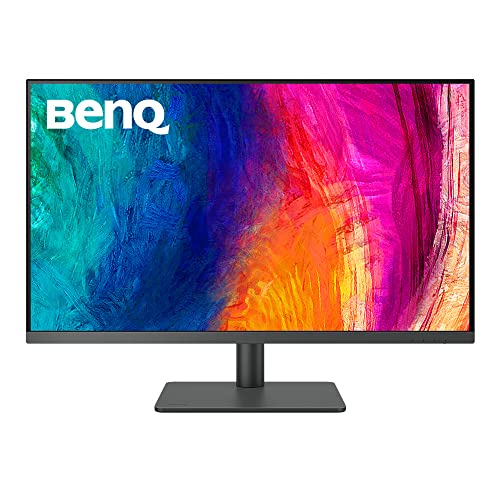
- Factory-calibrated for accurate Rec.709/sRGB color
- USB-C 90W, HDMI, DP, and USB hub connectivity
- 32-inch 4K IPS panel with room for editing timelines
Best For: Video editors and Mac users who want accurate color and simple one-cable setup.
Best for Fast-Paced Editing
MOBIUZ EX271Q 27” 2K 180Hz Monitor

- 95% DCI-P3 for color-aware editing
- 27-inch 2K panel with extra-smooth 180Hz motion
- USB-C 65W and KVM for streamlined multitasking
Best For: Editors who also game and want a fast, versatile monitor with decent color support.
Best for Mac Color Sync
BenQ PD2706QN 27” 2K QHD Mac-Ready Monitor

- Factory-calibrated color with 95% P3 and 100% sRGB/Rec.709
- ICCsync and 90W USB-C simplify Mac workflows
- Ergonomic stand and nano matte panel help long edits
Best For: Mac-based editors who want accurate color, simple connectivity, and comfortable all-day use.
Best for MacBook Color Matching

- Mac-tuned P3 color for more reliable editing visuals.
- Dual USB-C with 90W charging keeps the setup simple.
- 32-inch 4K panel offers lots of room for editing timelines.
Best For: MacBook editors who want a large, color-matched 4K display with one-cable convenience.
Best for Color Accuracy
BenQ SW272Q 27-inch 2K Monitor

- 99% Adobe RGB and 98% DCI-P3 coverage
- Nano Matte anti-reflection panel
- 90W USB-C plus hardware calibration
Best For: Color-critical editors and photographers who need accurate, comfortable, calibration-friendly viewing.
Best for Motion-Heavy Editing
BENQ PD3226G 31.5" 4K 144Hz Designer Monitor

- 4K 144Hz panel with accurate creator-grade color
- Thunderbolt 4 with up to 90W power delivery
- Built-in KVM and ergonomic stand for easy workflows
Best For: Video editors who want accurate color plus smoother motion while scrubbing and previewing timelines.
Best Ultrawide Multitasker
INNOCN 34" Ultrawide 3440x1440 IPS

- IPS panel with stable color and wide viewing angles
- 3440 x 1440 ultrawide workspace for editing timelines
- PIP/PBP plus screen split for multitasking
Best For: Editors and creators who want an affordable ultrawide monitor for video work and productivity.
Best for Color-Accurate Editing
BenQ PV3200U 32” 4K Video Monitor

- Factory-calibrated with Delta E ≤ 2
- Wide Rec.709/sRGB and 95% DCI-P3 coverage
- 65W USB-C and ergonomic stand simplify setups
Best For: Video editors and Mac users who want a color-accurate 32-inch 4K display.
Best Color-Accurate Pick
ASUS ProArt PA278QV 27” WQHD Monitor

- Calman Verified with Delta E < 2 accuracy
- 100% sRGB / 100% Rec. 709 for editing work
- 27-inch WQHD IPS panel with adjustable stand
Best For: Photo and video editors who need accurate color and ergonomic comfort on a budget-conscious creative monitor.
Best for Color-Managed Studios
BenQ PD2770U 27" 4K Color Monitor

- Wide-gamut coverage for accurate editing and grading
- Built-in calibration helps preserve consistent color
- 96W USB-C and KVM simplify studio setups
Best For: Video editors and color-critical studios that need a calibrated 4K display.
Best for Color-Accurate Mac Work – BenQ PD3205U 32" 4K Monitor
If you want a benq pd monitor for video editing that emphasizes reliable color and a clean desktop setup, the PD3205U is a strong fit. Its 32-inch 4K IPS panel, factory calibration, and 99% sRGB/Rec.709 coverage make it well-suited for editing timelines, color checking, and client review work.
Best For: Video editors, Mac users, and creators who need accurate Rec.709/sRGB color plus single-cable USB-C convenience.
Pros:
- Factory-calibrated panel with DeltaE ≤3 and a calibration report
- 99% sRGB / Rec.709 coverage for dependable editing color
- USB-C with 90W charging plus HDMI, DP, and USB hub ports
- 32-inch 4K IPS screen gives plenty of room for timelines and palettes
Cons:
- Not the widest-gamut choice for heavy HDR or cinema-grade color workflows
- 60Hz refresh is fine for editing, but not ideal for fast-motion gaming
Overall, the PD3205U is a practical benq pd monitor for video editing if your priority is trustworthy color, easy Mac connectivity, and a workspace-friendly 32-inch 4K layout.
Best for Fast-Paced Editing – MOBIUZ EX271Q 27” 2K 180Hz Monitor
If you want a screen that can handle both creative work and high-speed motion, the MOBIUZ EX271Q is a practical alternative to a traditional benq pd monitor for video editing. Its 27-inch 1440p panel, 95% DCI-P3 coverage, and DisplayHDR 400 give you a solid color-focused starting point, while the 180Hz refresh rate adds extra smoothness for timeline scrubbing and mixed-use setups.
Best For: Editors who also game or want a high-refresh monitor that still offers respectable color performance for everyday video work.
Pros:
- 95% DCI-P3 coverage suits color-aware editing and content review
- 27-inch 2K resolution offers a sharp workspace for 1440p timelines
- USB-C with 65W power delivery helps simplify laptop-based setups
- KVM support is useful if you switch between multiple devices
Cons:
- Not a true creator-first display calibrated specifically for pro video grading
- DisplayHDR 400 is entry-level HDR, not ideal for demanding HDR workflows
- Gaming-focused tuning may not match the uniformity of a dedicated BenQ PD model
Overall, this is a flexible pick if you want speed, convenience, and decent wide-gamut color in one display. For buyers comparing against a benq pd monitor for video editing, it makes the most sense when editing is only one part of a broader work-and-play setup.
Best for Mac Color Sync – BenQ PD2706QN 27” 2K QHD Mac-Ready Monitor
If you want a benq pd monitor for video editing that prioritizes color accuracy and a clean single-cable setup, the PD2706QN is a practical fit. It combines factory calibration, wide-gamut coverage, and USB-C connectivity in a Mac-friendly design that suits editing timelines, color checks, and day-to-day creative work.
Best For: Mac users and editors who want dependable color matching, decent resolution, and easy desk setup for content creation.
Pros:
- 95% P3 and 100% sRGB/Rec.709 coverage with factory-calibrated Delta E ≤ 2
- ICCsync helps keep color profiles aligned between Mac and BenQ display modes
- 90W USB-C supports video, data, and charging through one cable
- Nano matte panel and ergonomic stand improve comfort during long sessions
Cons:
- Renewed unit may not appeal to buyers who want brand-new packaging
- 2K QHD is solid for editing, but not as detailed as 4K alternatives
- Color-focused features are great for creators, but less important for casual users
Overall, this benq pd monitor for video editing stands out for creators who care more about accurate color, Mac workflow, and practical connectivity than flashy extras. If that is your priority, it’s an easy monitor to recommend for a focused editing desk.
Best for MacBook Color Matching – BenQ MA320U 32" 4K Monitor
If you want a benq pd monitor for video editing that also feels purpose-built for Mac, the BenQ MA320U is an easy fit. Its 32-inch 4K panel, P3 wide color gamut, and Mac color tuning make it a practical choice for editors who want accurate-looking footage, more screen space, and simple USB-C connectivity.
Best For: MacBook users who need a large 4K editing display with color matching, single-cable setup, and comfortable day-to-day workflow controls.
Pros:
- Mac-tuned color with a wide P3 gamut for more consistent editing and viewing.
- Dual USB-C with up to 90W charging simplifies a MacBook Pro/Air setup.
- 32-inch 4K screen gives plenty of room for timelines, panels, and preview windows.
- Built-in brightness and volume controls work directly from MacBook keys.
Cons:
- Designed primarily around Mac workflows, so Windows-first users may not use every feature.
- It’s a large display, so it may feel oversized on very small desks.
For creators who want a benq pd monitor for video editing but also need a Mac-friendly desktop experience, the MA320U stands out for its mix of color accuracy, USB-C convenience, and everyday usability. It’s especially appealing if you want fewer adapters and a cleaner editing setup.
Best for Color Accuracy – BenQ SW272Q 27-inch 2K Monitor
If you want a benq pd monitor for video editing that leans more toward color-critical creative work than general-purpose use, the SW272Q is a strong fit. It combines a 2K QHD panel with wide-gamut coverage, anti-reflection coating, and hardware calibration tools that help keep your edits and exports consistent.
Best For: Editors, photographers, and creators who need accurate color, comfortable viewing, and reliable screen-to-print or screen-to-export consistency.
Pros:
- 99% Adobe RGB and 98% DCI-P3/Display P3 for wide color coverage
- Nano Matte Panel with TÜV anti-reflection certification reduces glare
- Paper Color Sync and hardware calibration support accurate workflow matching
- 90W USB-C helps simplify laptop-based editing setups
Cons:
- 2K resolution is solid, but not as sharp as 4K for timeline-heavy work
- Geared toward color accuracy, so it may be overkill for casual users
Overall, the SW272Q is a creator-focused display that prioritizes dependable color management over flashy specs. For anyone shopping a benq pd monitor for video editing, it stands out most when accurate color and low-reflection viewing matter more than raw resolution.
Best for Motion-Heavy Editing – BENQ PD3226G 31.5" 4K 144Hz Designer Monitor
If you want a benq pd monitor for video editing that also handles fast timeline scrubbing and preview playback smoothly, the PD3226G stands out with 4K resolution, a 144Hz refresh rate, and factory-calibrated color accuracy. It is built for creators who need dependable color management, solid connectivity, and a panel that stays comfortable during long sessions.
Best For: Editors and designers who want accurate color, high refresh motion clarity, and a Thunderbolt 4 dock-style setup in one display.
Pros:
- 4K 144Hz panel with 95% P3 and 100% sRGB/Rec.709 for detailed, color-accurate work
- Factory calibration to Delta E ≤ 2 plus Palette Master Ultimate support for easier color management
- Thunderbolt 4 connectivity with up to 90W power delivery and high-speed data transfer
- Built-in KVM, Nano Matte coating, and ergonomic adjustments for a cleaner, more flexible workspace
Cons:
- Renewed unit may not appeal to buyers who only want brand-new hardware
- High-end creator features can be overkill for basic editing or casual use
For a benq pd monitor for video editing, this model is especially compelling if you cut a lot of motion content and want both accurate color and unusually smooth on-screen responsiveness. It is less about raw budget value and more about speeding up a serious creative workflow.
Best Ultrawide Multitasker – INNOCN 34" Ultrawide 3440×1440 IPS
If you want a wider workspace than a typical benq pd monitor for video editing without jumping to a much pricier pro display, the INNOCN 34C1R delivers a strong mix of screen real estate, sharp WQHD detail, and IPS color stability. Its 21:9 format is especially useful for timeline editing, split-screen review, and keeping your tools visible while you work.
Best For: Editors, creators, and multitaskers who want an affordable ultrawide for video work, productivity, and casual gaming.
Pros:
- 34-inch IPS panel with more consistent color and wider viewing angles than many VA alternatives
- 3440 x 1440 resolution gives plenty of room for timelines, bins, and side-by-side windows
- PIP/PBP and screen-split support make it easy to manage multiple sources or workflows
- Height-adjustable stand and eye-care features help with long editing sessions
Cons:
- Not a true creator-grade reference monitor for color-critical finishing work
- Built-in speakers are fine for convenience, but not ideal for serious editing audio
- 180Hz refresh is more gaming-focused than necessary for pure video editing
Overall, the 34C1R is a smart value pick if you want an ultrawide editing display with good everyday color behavior and strong multitasking features. It is a practical alternative to a benq pd monitor for video editing when you care more about workspace and versatility than pro-grade calibration extras.
Best for Color-Accurate Editing – BenQ PV3200U 32” 4K Video Monitor
If you want a benq pd monitor for video editing that focuses on accurate color rather than flashy gaming specs, the BenQ PV3200U is a strong fit. Its factory calibration, wide Rec.709/sRGB coverage, and 95% DCI-P3 support make it well-suited for creators who need reliable color from timeline to export.
Best For: Video editors, color-conscious creators, and Mac users who want a dependable 32-inch 4K display for everyday post-production.
Pros:
- Factory-calibrated color with Delta E ≤ 2 for dependable accuracy
- 100% Rec.709 and sRGB plus 95% DCI-P3 coverage for editing workflows
- 65W USB-C simplifies laptop connections and desk setup
- Ergonomic stand and software tools make adjustments easy
Cons:
- Not aimed at high-refresh gaming or motion-heavy use
- Premium feature set can push the price above basic office monitors
Overall, this benq pd monitor for video editing is best when color accuracy, USB-C convenience, and creator-focused features matter more than extra gaming performance. It’s a practical choice for editors who want a large, calibrated 4K panel that fits smoothly into a Mac-friendly workflow.
Best Color-Accurate Pick – ASUS ProArt PA278QV 27” WQHD Monitor
If you want a reliable, color-accurate display for creative work, the ASUS ProArt PA278QV is a strong alternative to a benq pd monitor for video editing. Its factory calibration, 100% sRGB/Rec. 709 coverage, and 27-inch WQHD IPS panel make it a practical fit for editors who need consistent color and a sharp 1440p workspace.
Best For: Photo and video editors who want an accurate, ergonomically adjustable 27-inch monitor without paying flagship prices.
Pros:
- Calman Verified with Delta E < 2 for dependable out-of-box color accuracy
- 100% sRGB and 100% Rec. 709 coverage suits web and video workflows
- 27-inch WQHD IPS panel gives plenty of screen space for timelines and tools
- Fully adjustable stand and Eye Care features improve long-session comfort
Cons:
- Not a wide-gamut display for HDR or advanced cinema-grade grading
- 75Hz refresh is fine for editing, but not a major upgrade for motion work
For creators comparing it with a benq pd monitor for video editing, the PA278QV stands out for dependable sRGB accuracy, flexible ergonomics, and excellent day-to-day value. It is a solid choice if your priority is clean, trustworthy color rather than premium extras.
Best for Color-Managed Studios – BenQ PD2770U 27" 4K Color Monitor
If you need a benq pd monitor for video editing that prioritizes dependable color accuracy over flashy extras, the PD2770U is built for that workflow. It pairs 4K resolution with wide gamut coverage, hardware calibration, and creator-focused connectivity to make it a strong fit for grading, retouching, and timeline work.
Best For: Video editors, colorists, and studio teams who want a calibrated display with pro-level color consistency and easy desk setup.
Pros:
- 99% Adobe RGB, 99% DCI-P3, and 100% Rec.709 coverage for color-critical editing
- Built-in calibrator plus hardware recalibration helps maintain long-term consistency
- 96W USB-C, daisy chain, KVM, and RJ45 support streamline studio connectivity
- Ergonomic stand and shading hood are useful in controlled editing environments
Cons:
- More monitor than casual creators need if you only do light editing
- Premium color-management features can push the price above basic 4K displays
For buyers comparing a benq pd monitor for video editing, this model stands out when color reliability and workflow efficiency matter more than gaming features or ultra-fast specs.
How We Picked the Best Benq Pd Monitor for Video Editing
For this Benq Pd Monitor for Video Editing roundup, we prioritized color accuracy, panel quality, resolution, and connectivity that supports real editing workflows. We also looked for features that matter after purchase, such as factory calibration, hardware calibration support, USB-C power delivery, daisy chaining, and screen uniformity controls.
Because editors work differently, we included options for Mac users, general-purpose creators, and professionals who need either a dedicated color-accurate display or a more versatile high-refresh panel for mixed work.
Quick Comparison: What Matters Most
In practice, the best monitor depends on how you edit. A 32-inch 4K display gives you more room for timelines and fine detail. A 27-inch QHD panel can be a smarter value if you want a smaller footprint. If your work is color-critical, prioritize gamut coverage and calibration over gaming-style refresh rates. If you also handle motion graphics or play content back smoothly, a higher refresh option can be useful, but it should never replace color accuracy as the main buying factor.
Key Buying Factors for Benq Pd Monitor for Video Editing
Color Accuracy and Gamut
Look for strong coverage of Rec.709 for standard video delivery and, if you grade wider color spaces, DCI-P3 or Adobe RGB support. Factory calibration and low Delta E values help ensure what you see is close to the final output.
Resolution and Screen Size
4K is often the best choice for serious editing because it improves timeline space and image clarity. A 27-inch 1440p display is still practical, especially if you prefer a less demanding system load or a more affordable setup.
Connectivity and Power Delivery
USB-C with charging can simplify a desk by handling video, data, and laptop power through one cable. Daisy chain support, KVM features, and USB hubs are especially useful if you switch between devices.
Uniformity and Calibration Tools
Uniform brightness, hardware calibration, and included calibration reports are valuable for editors who need consistency across the panel, not just accurate specs on paper.
Who Should Buy Which Benq Pd Monitor for Video Editing?
If you edit mostly for YouTube, social content, or client web delivery, a color-accurate 27-inch or 32-inch display with strong Rec.709 coverage is usually enough. If you work in color grading, delivery for broadcast, or mixed print and video workflows, choose the panel with the widest gamut and strongest calibration tools.
If you use a MacBook, prioritize BenQ PD and MA models with USB-C power delivery and Mac-friendly color management. If you want one monitor for editing plus smoother general use, a higher-refresh creator display can be appealing, but only if its color specs still meet your standards.
In short, the best choice balances accuracy, size, and connectivity for your exact workflow rather than chasing the most premium specification in every category.