
If you edit video regularly, storage matters as much as your computer’s CPU and GPU. The right enclosure can help you organize footage, move files quickly, and keep large projects accessible.
We focused on enclosures that balance speed, capacity, cooling, and compatibility so you can choose a setup that fits your workflow and budget.
Best 10 Hard Drive Enclosure for Video Editing Picks for 2026
Desktop 4-Bay Storage Hub
CENMATE Aluminum 4-Bay SATA Enclosure

- Up to 80TB across four SATA drives
- USB 3.0 with up to 5Gbps transfer
- Aluminum build with built-in fan
Best For: Editors needing simple multi-drive desktop storage
High-Capacity Project Bay

- Up to 88TB total capacity
- Built-in 150W power supply
- 80mm silent fan and aluminum body
Best For: Teams managing large video footage libraries
Single-Drive Editing Dock
SABRENT Tool-Free SATA Enclosure
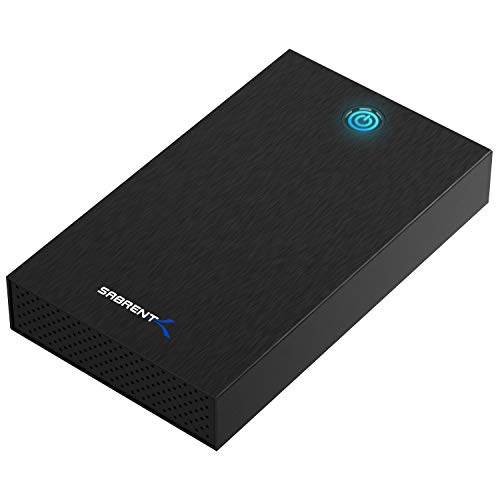
- Tool-free single-drive setup
- USB 3.0 with UASP support
- Works with 2.5-inch and 3.5-inch SATA drives
Best For: Solo editors wanting a simple external working drive
10Gbps Creator Dock

- Up to 10Gbps over USB-C 3.2
- Four bays with temperature-controlled fans
- Adds HDMI and extra USB-C connectivity
Best For: Creators who want storage and workstation expansion
Lay-flat Dock
CLAVOOP USB 3.0 3.5-inch SATA Enclosure

- USB 3.0 with UASP for faster transfers
- Supports 3.5-inch and 2.5-inch SATA drives up to 20TB
- Lay-flat design with cooling vents and non-slip pads
Best For: Single-drive editing workflows and large SATA backups
Balanced Workhorse
UGREEN USB 3.0 3.5/2.5-inch SATA Enclosure
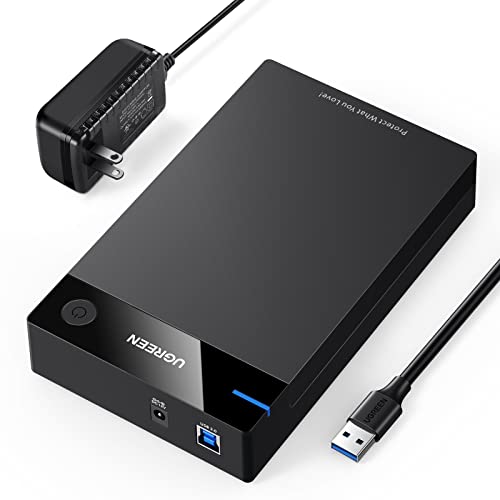
- USB 3.0 with UASP and 5Gbps speeds
- Supports SATA drives up to 20TB
- ABS housing with shock protection and cooling holes
Best For: Editors who want a simple, dependable single-drive storage dock
High-Capacity Editing Hub

- Up to 8 SATA drives and 192TB total capacity
- 40Gbps USB4 with Thunderbolt 3/4/5 support
- Hot-swappable trays plus smart fan control
Best For: Large video libraries, archives, and fast multi-drive external storage
Compact RAID Option

- Four RAID modes including RAID 0 and RAID 1
- Supports 2.5-inch and 3.5-inch SATA drives up to 30TB per bay
- Aluminum shell, fan cooling, and tool-free access
Best For: Small editing setups, mirrored backups, and compact external storage
Large-Capacity Media Storage
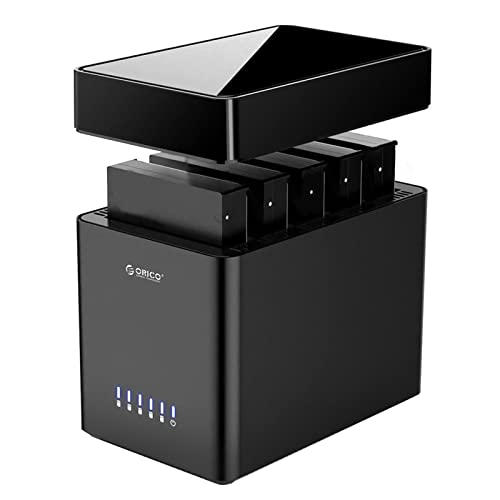
- Up to 110TB total capacity across five bays
- Tool-free magnetic cover for quick drive access
- Fan cooling plus multiple protection features
Best For: Family media libraries, backups, and budget-friendly multi-drive storage
Desktop 4-Bay Storage Hub – CENMATE Aluminum 4-Bay SATA Enclosure
If you need a hard drive enclosure for video editing that can keep multiple SATA drives organized in one place, this CENMATE 4-bay DAS is built for bulk storage and steady desktop use. It supports 2.5-inch and 3.5-inch HDDs and SSDs, offers hot-swappable tray-free access, and uses a USB 3.0 connection rated up to 5Gbps.
Best For: Editors who want a simple multi-bay desktop enclosure for storing footage, project files, and archives without adding RAID complexity.
Pros:
- Supports up to 80TB total capacity across four drives
- Aluminum body with a built-in fan for heat management
- USB A/C 3.0 cable included for wide compatibility
- Stable 12V power adapter for high-speed transfers
Cons:
- Fan noise is listed at around 40-50 decibels
- No RAID or NAS features
- Top speed is limited to USB 3.0 performance
For editing workflows that prioritize simple capacity and easy drive swapping, this enclosure covers the basics well. It is especially appealing if you want a straightforward DAS for storing large video libraries on the desktop.
High-Capacity Project Bay – ORICO 4-Bay Aluminum DAS
For anyone shopping for a hard drive enclosure for video editing, this ORICO 4-bay DAS focuses on capacity, cooling, and stable desktop performance. It supports up to 88TB total storage, uses USB 3.0 with 5Gbps specifications, and includes a built-in power supply plus an 80mm silent fan for long-session use.
Best For: Video editors and content teams that need a high-capacity, easy-to-manage desktop enclosure for large media libraries.
Pros:
- Up to 88TB maximum storage capacity
- USB 3.0 interface with stated 235 MB/s actual transfer rate
- Built-in 150W power supply keeps the desktop tidy
- Front/rear vents and silent fan support cooling
Cons:
- Designed for desktop use only
- Supports 3.5-inch drives per the listing details
- Safety lock may add a small step when swapping drives
This is a practical pick when your priority is storing large amounts of footage rather than adding advanced software features. The combination of capacity, cooling, and built-in power makes it well suited to ongoing edit and archive workflows.
Single-Drive Editing Dock – SABRENT Tool-Free SATA Enclosure
If you want a compact hard drive enclosure for video editing, this SABRENT model is a simple way to turn a single SATA drive into an external workspace drive. It supports 2.5-inch and 3.5-inch SATA HDDs and SSDs, uses USB 3.0 with UASP, and includes a 12V adapter for stable external power.
Best For: Solo editors who want a straightforward, tool-free enclosure for a working drive or quick archive access.
Pros:
- Tool-free setup for fast drive changes
- Supports both 2.5-inch and 3.5-inch SATA drives
- USB 3.0 with UASP for better transfer efficiency
- Aluminum shell with shock-absorbing tray
Cons:
- Single-drive design limits total capacity expansion
- Requires external power from the included adapter
- Not compatible with M.2, NVMe, SAS, or IDE drives
For editors who mainly need one reliable external drive rather than a multi-bay storage stack, this is an easy, no-frills option. It keeps setup simple while still offering the basic speed and compatibility needed for everyday media work.
10Gbps Creator Dock – WAVLINK 4-Bay USB-C Enclosure
When you need a hard drive enclosure for video editing that can do more than basic storage, this WAVLINK 4-bay unit adds speed and extra connectivity to the workflow. It supports 3.5-inch and 2.5-inch SATA drives, reaches up to 10Gbps over USB-C 3.2, and includes HDMI output for an expanded desktop setup.
Best For: Creators who want fast multi-drive storage plus display and peripheral connections in one desktop unit.
Pros:
- USB 3.2 Type-C interface rated up to 10Gbps
- Supports four SATA bays for large media collections
- Built-in temperature-controlled dual fans
- Includes HDMI output and an extra USB-C port
Cons:
- 2.5-inch drives need additional mounting brackets not included
- HDMI output depends on host USB-C video support
- More feature-rich than a basic storage-only enclosure
This is the most workflow-friendly option in the group if you want a storage hub that also helps build out a creative workstation. The faster USB-C connection and cooling system make it especially attractive for heavier media handling tasks.
Lay-flat Dock – CLAVOOP USB 3.0 3.5-inch SATA Enclosure
If you want a practical hard drive enclosure for video editing, this CLAVOOP lay-flat dock focuses on speed, simple setup, and drive stability. It supports 3.5-inch and 2.5-inch SATA drives up to 20TB and uses USB 3.0 with UASP, which can help move large footage files more efficiently during offload and backup tasks.
Best For: Editors who need a straightforward single-bay enclosure for large SATA drives and frequent file transfers.
Pros:
- USB 3.0 with UASP and tested read speeds up to 336 MB/s
- Supports 3.5-inch and 2.5-inch SATA HDDs and SSDs up to 20TB
- Lay-flat design with ventilation holes, non-slip pads, and shock-proof sponges
- Plug-and-play setup with LED status indicators and auto-sleep
Cons:
- Only supports one drive at a time
- Not compatible with IDE, mSATA, or M.2 drives
- USB 3.0 is slower than newer 10Gbps options
For editors who mainly need a dependable dock for ingesting, archiving, or shuttling project drives, this enclosure covers the essentials without extra complexity. It is a solid fit if you value cooling and compatibility over advanced features.
Multi-Bay Editing Hub – WAVLINK 4-Bay 10Gbps USB-C Enclosure
This WAVLINK hard drive enclosure for video editing is built for heavier workloads, with four SATA bays, 10Gbps USB-C 3.2 connectivity, and built-in cooling fans. It is designed for users managing multiple project drives, large media libraries, or edit archives that benefit from fast transfers and hot-swappable access.
Best For: Editors who need multi-drive storage, faster ingest speeds, and better thermal control.
Pros:
- Four SATA bays support 3.5-inch and 2.5-inch HDDs and SSDs
- Up to 10Gbps transfer speed over USB 3.2 Type-C
- Built-in temperature-controlled fans for active cooling
- Independent bay power switches and hot-swappable convenience
Cons:
- 2.5-inch drives need separate mounting brackets, not included
- USB-C video output for HDMI depends on host port support
- Bulkier and heavier than a simple single-bay enclosure
If your editing setup handles many drives or large volumes of footage, this enclosure offers more room to grow than a basic dock. The combination of cooling, speed, and four-bay flexibility makes it the strongest fit here for demanding media workflows.
Balanced Workhorse – UGREEN USB 3.0 3.5/2.5-inch SATA Enclosure
If you need a reliable hard drive enclosure for video editing without moving up to a multi-bay unit, this UGREEN model keeps things simple. It supports 3.5-inch and 2.5-inch SATA drives up to 20TB, uses USB 3.0 with UASP, and includes a 12V power adapter for stable operation during large transfers.
Best For: Editors who want a dependable single-drive enclosure for backups, media offload, and general project storage.
Pros:
- USB 3.0 with UASP for up to 5Gbps transfer speeds
- Supports 3.5-inch and 2.5-inch SATA HDDs and SSDs up to 20TB
- ABS build with anti-shock strips and heat-dissipation holes
- Plug-and-play setup with broad OS and console compatibility
Cons:
- Single-drive design only
- USB 3.0 is not as fast as 10Gbps alternatives
- Users must safely eject before unplugging to avoid data loss
For editors who prioritize compatibility and ease of use, this enclosure is a practical middle ground. It is not the fastest option in the group, but it delivers the basics needed for everyday media storage and transfer work.
High-Capacity Editing Hub – 8-Bay USB4 40Gbps DAS
If you need a hard drive enclosure for video editing that can handle a large media library, this 8-bay USB4 DAS is built for serious storage expansion. It supports up to eight SATA HDDs or SSDs, offers hot-swappable trays, and pushes data over a 40Gbps USB-C connection for fast transfers of large project files.
Best For: Editors, studios, and business users who want a high-capacity multi-drive enclosure with fast USB4 connectivity.
Pros:
- Supports up to 8 drives and up to 192TB total capacity.
- 40Gbps USB4 / USB-C connection with Thunderbolt 3/4/5 compatibility.
- Independent power buttons and removable trays make drive management easier.
- Built-in smart fan with auto and manual speed modes.
Cons:
- Does not support RAID or NAS functions.
- Large 8-bay design takes more desk space than smaller enclosures.
- Built for SATA drives only, not NVMe storage.
For creators who move big video files often, the combination of 8-bay capacity and USB4 speed makes this a practical archive-and-edit storage center. It is a strong fit when you want lots of room without giving up fast external access.
Compact RAID Option – Dual-Bay RAID Enclosure
This hard drive enclosure for video editing is a practical two-bay option when you want simple external storage with RAID flexibility. It supports 2.5-inch and 3.5-inch SATA HDDs and SSDs, includes four RAID modes, and uses a 5Gbps USB 3.0 connection for straightforward file transfers and backups.
Best For: Editors and backup users who want a compact dual-bay enclosure with RAID options.
Pros:
- Four RAID modes: RAID 0, RAID 1, Normal, and JBOD.
- Supports 2.5-inch and 3.5-inch SATA HDDs and SSDs up to 30TB per bay.
- Aluminum body and built-in fan help with heat dissipation.
- Tool-free design keeps drive swaps simple.
Cons:
- 5Gbps speed is slower than USB4-based enclosures.
- Fan noise is listed at about 40-50dB.
- RAID switching requires care and backup planning.
If your workflow values redundancy or a simple mirrored setup more than raw speed, this enclosure covers the basics well. It is a sensible choice for small editing setups, backup drives, or a compact workhorse storage box.
Large-Capacity Media Storage – 5-Bay USB 3.0 Storage Dock
If you want a hard drive enclosure for video editing that leans more toward capacity than speed, this 5-bay ORICO model is built for large collections of media and backups. It supports 2.5-inch and 3.5-inch SATA drives, offers up to 110TB total capacity, and connects through USB 3.0 for everyday file transfers.
Best For: Home users and editors who need a roomy multi-drive enclosure for family videos, photos, and archive storage.
Pros:
- Five-bay layout supports up to 110TB total storage.
- Tool-free magnetic cover makes drive access quick and easy.
- 60mm fan and honeycomb ventilation improve airflow.
- Built-in protections cover over-voltage, over-current, overheat, short-circuit, and leakage.
Cons:
- USB 3.0 transfer speed tops out at 5Gbps.
- Linux support note says only one drive can be read at a time in multi-HDD enclosures.
- Plastic enclosure is less premium than aluminum alternatives.
This is a solid pick when your priority is organizing lots of SATA drives in one place rather than chasing top-end transfer rates. For media archives, backups, and general editing storage, the capacity and cooling setup are the main advantages.
How We Picked the Best Hard Drive Enclosure for Video Editing
For a Hard Drive Enclosure for Video Editing, we prioritized sustained transfer performance, multi-drive support, thermal design, power delivery, and broad compatibility with common 2.5-inch and 3.5-inch SATA drives. We also considered ease of setup, hot-swapping support, and whether the enclosure makes sense for single-project storage, active editing, or archive workflows.
Quick Comparison
Single-bay models are best for simple scratch storage or portable project transfers. Dual-bay and 4-bay enclosures are better for editing libraries, backups, and larger footage collections. If you handle 4K or multi-cam projects, higher-speed USB-C or USB4 models are the strongest fit, while RAID-capable units add protection or performance options.
Key Buying Factors for Hard Drive Enclosure for Video Editing
Speed and Connection Type
USB 3.0 is fine for general file storage, but higher-end video workflows benefit from USB-C 10Gbps or USB4 40Gbps. Faster interfaces help reduce bottlenecks when moving large clips, proxies, and exports.
Drive Capacity and Bay Count
Think about how many projects you keep active at once. One-bay enclosures suit individual drives, while 4-bay and 8-bay options are better for editors who need room for source footage, cache, and backup copies.
Cooling and Stability
Video files are large, and sustained transfers can generate heat. Look for fan cooling, aluminum construction, and temperature control if you expect long edit sessions or large batch copies.
RAID and Data Protection
If you want redundancy, a RAID-capable enclosure can help protect footage from a single drive failure. If your priority is maximum usable capacity, a standard DAS or direct-attached enclosure may be the better value.
Drive Compatibility
Make sure the enclosure supports the drive size and type you already own, especially if you mix 2.5-inch SSDs and 3.5-inch HDDs. Tool-free access and hot-swap support can also save time during project turnover.
Who Should Buy Which Hard Drive Enclosure for Video Editing?
If you need a simple, affordable storage solution, choose a single-bay or dual-bay enclosure with solid USB 3.0 performance. If you edit professionally or store a large media library, a 4-bay unit with active cooling is a smarter long-term choice. If you want the fastest transfers for demanding timelines, a USB4 enclosure is the premium option. For creators who value backup flexibility, RAID-enabled models offer the most control.