
Choosing the right desktop computer for music production can make a real difference in session stability, plugin performance, and how smoothly your DAW runs under pressure.
Below, we focus on desktops that balance CPU power, memory, storage speed, and practical expandability so you can build a reliable studio setup.
Best 10 Desktop Computers for Music Production Picks for 2026
Budget Workstation Pick
Dell Precision 3620 / T3620 Entry Level Music Production Workstation

- i7-6700 with up to 4.0GHz turbo
- 32GB DDR4 plus 512GB SSD and 2TB HDD
- Windows 11 Pro on a renewed tower
Best For: Home studios needing a value workstation with lots of memory and storage
Modern All-Rounder
HP OmniDesk Ryzen 7 8700G Desktop
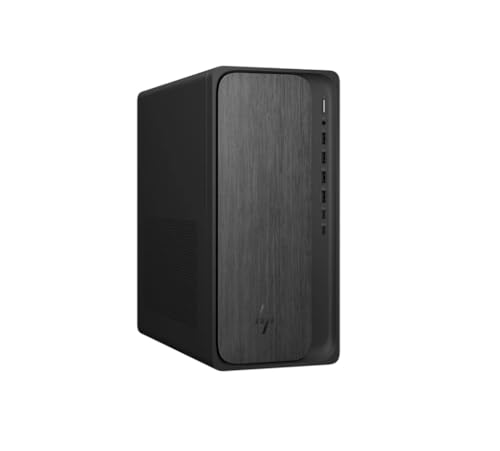
- Ryzen 7 8700G with 32GB DDR5 memory
- 1TB PCIe Gen4 NVMe SSD for fast loading
- Wi-Fi 6, Bluetooth 5.4, keyboard, and mouse included
Best For: Producers wanting a fast, modern desktop with strong all-around specs
High-Performance Tower
ASUS S501MER Core i7-14700 Desktop

- 14th Gen i7-14700 with up to 5.3GHz boost
- 1TB PCIe 4.0 SSD and 16GB DDR5 RAM
- Wi-Fi 6E, Bluetooth 5.3, and multiple I/O ports
Best For: Producers who want strong CPU performance and a flexible tower setup
Compact Power Pick
ACEMAGIC M5 Mini PC i7-14650HX

- 16-core i7-14650HX with 24 threads
- 1TB PCIe 4.0 NVMe SSD in a tiny chassis
- Windows 11 Pro with triple 4K display support
Best For: Compact studios needing a small PC with strong CPU performance
Budget-Friendly Refurbished Workstation
Dell Optiplex 3060 i5 32GB 1TB SSD

- Core i5-8500 with 32GB DDR4 RAM
- 1TB SSD for fast boot and project loading
- Built-in Wi-Fi and Bluetooth convenience
Best For: Home studios and budget-minded producers
High-Performance Creator Tower
Dell i7-12700K 32GB DDR5 1TB SSD

- 12-core i7-12700K for demanding workflows
- 32GB DDR5 RAM with 1TB PCIe SSD
- Dual 4K monitor support with USB-C
Best For: Advanced producers and heavy multitaskers
Content-Creation Ready Tower
Dell Optiplex 7070 i7 32GB 1TB SSD

- 9th Gen Core i7 with 32GB DDR4 RAM
- 1TB SSD for quick loading and storage
- Wi-Fi 6 and USB-C improve connectivity
Best For: Studio users who want a balanced, capable tower
Compact Reliable Pick
HP ProDesk SFF Business Desktop for Everyday Tasks
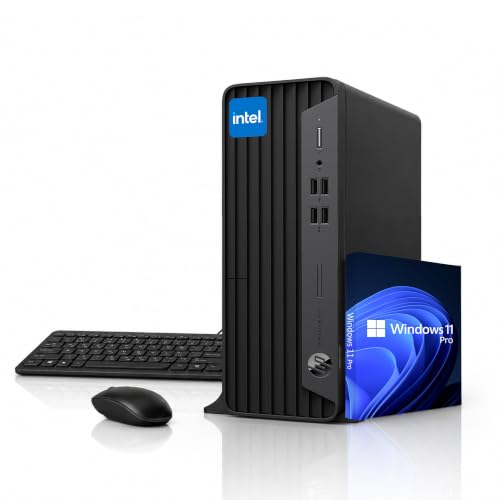
- 32GB RAM and 1TB SSD
- Small footprint for tight desks
- Dual 4K display support
Best For: Home studios and light music production
Powerful Upgrade Pick
Dell Tower Desktop with Core Ultra 7

- Core Ultra 7-265 processor
- 32GB DDR5 RAM
- Multiple-monitor support with easy upgrades
Best For: Serious producers needing more performance
Budget Modern Pick
Dell Tower Desktop with 14th Gen i3

- 14th Gen Core i3 processor
- 512GB PCIe SSD
- Windows 11 Pro with dual 4K support
Best For: Light music production on a budget
Budget Workstation Pick – Dell Precision 3620 / T3620 Entry Level Music Production Workstation
If you want desktop computers for music production with a simple, capable setup, this Dell Precision 3620 / T3620 focuses on core studio needs: a quad-core Intel i7, 32GB of RAM, and both SSD and HDD storage. It is a practical choice for recording, editing, and running everyday DAW sessions without paying for extra hardware you may not use.
Best For: Home studio users who want a renewed workstation with strong multitasking memory and plenty of storage.
Pros:
- Intel i7-6700 with up to 4.0GHz turbo for general music production tasks
- 32GB DDR4 RAM helps with multitasking and larger project sessions
- 512GB SSD for boot speed plus 2TB HDD for storage
- Windows 11 Pro included for a ready-to-work studio setup
Cons:
- Renewed unit, so condition may vary from new PCs
- Older CPU platform than newer Intel and AMD options
- Integrated graphics only, which is fine for audio work but not ideal for graphics-heavy use
This Dell is best viewed as a value-focused studio tower: it emphasizes RAM and storage over modern extras, which can make sense for audio workflows that prioritize stability and capacity.
Modern All-Rounder – HP OmniDesk Ryzen 7 8700G Desktop
For desktop computers for music production that also feel modern and responsive, the HP OmniDesk stands out with a Ryzen 7 8700G, 32GB of DDR5 memory, and a 1TB PCIe Gen4 NVMe SSD. That mix is well suited to recording sessions, plugin-heavy projects, and fast loading times when you are jumping between tools.
Best For: Producers who want a current-generation desktop with fast storage, strong memory, and easy everyday connectivity.
Pros:
- Ryzen 7 8700G processor with 8 cores and 32GB DDR5-5200 memory
- 1TB NVMe Gen4 SSD for quick boot and project loading
- Wi-Fi 6 and Bluetooth 5.4 for modern wireless connectivity
- Includes keyboard and mouse, so it is ready to set up quickly
Cons:
- Integrated Radeon 780M graphics are fine for audio work, but not a dedicated GPU
- Only one year warranty listed
- Windows 11 Home rather than Pro
The OmniDesk is a balanced option for a home or small studio where speed, memory, and convenience matter more than specialized expansion features.
High-Performance Tower – ASUS S501MER Core i7-14700 Desktop
If you are comparing desktop computers for music production and want extra headroom, the ASUS S501MER is built around a 14th Gen Intel Core i7-14700 with 16GB DDR5 RAM and a 1TB PCIe 4.0 SSD. It is a strong fit for larger sessions, multitasking, and fast project access, while also offering plenty of ports for studio gear.
Best For: Music producers who want a faster tower with a newer Intel CPU and flexible connectivity.
Pros:
- Intel Core i7-14700 with up to 5.3GHz boost
- 1TB M.2 NVMe PCIe 4.0 SSD for quick storage performance
- Dual-band Wi-Fi 6E and Bluetooth 5.3 for modern wireless support
- Multiple rear display and audio outputs plus several USB ports
Cons:
- 16GB RAM is usable, but less generous than 32GB configurations for heavier sessions
- Windows 11 Home instead of Pro
- Some listed specs are internally inconsistent in the product data, so check the configuration carefully
This ASUS tower is a compelling performance-first choice if you want newer CPU horsepower and fast storage in a conventional desktop form factor.
Compact Power Pick – ACEMAGIC M5 Mini PC i7-14650HX
For desktop computers for music production where space is limited, the ACEMAGIC M5 Mini PC packs a high-end Intel Core i7-14650HX, 16GB of dual-channel RAM, and a 1TB NVMe PCIe 4.0 SSD into a very small footprint. It is a good match for compact desks, portable setups, and users who still want strong CPU performance for audio work.
Best For: Studio users who need a tiny PC with strong processing power and lots of connectivity.
Pros:
- Intel Core i7-14650HX with 16 cores and 24 threads
- 1TB PCIe 4.0 NVMe SSD with expandable storage support
- Triple 4K display support through HDMI, DisplayPort, and USB-C
- Windows 11 Pro pre-installed for immediate use
Cons:
- 16GB RAM may be limiting for larger sample libraries compared with 32GB systems
- Mini PC design offers less room for traditional internal expansion than a tower
- Uses integrated Intel UHD Graphics, which is fine for music production but not for graphics-heavy workloads
The M5 makes sense when you want serious processor performance without the size of a full desktop tower, especially for tidy studios or mobile production stations.
Budget-Friendly Refurbished Workstation – Dell Optiplex 3060 i5 32GB 1TB SSD
If you want desktop computers for music production without spending on a brand-new tower, this renewed Dell Optiplex 3060 is a practical pick. The Core i5-8500, 32GB of RAM, and 1TB SSD give it the memory and quick storage that help with DAW loading, sample libraries, and general multitasking.
Best For: Home studios, budget-conscious producers, and anyone who wants a refurbished desktop with plenty of RAM and SSD storage.
Pros:
- 32GB DDR4 RAM supports smooth multitasking with music software and other apps.
- 1TB SSD helps with fast boot times and quick project loading.
- Built-in Wi-Fi and Bluetooth add convenient wireless connectivity.
- Windows 11 Pro and included support make it easier to set up for work or home use.
Cons:
- Integrated Intel UHD Graphics 630 is not aimed at GPU-heavy creative work.
- Renewed condition may not appeal to buyers who want a brand-new system.
- Older 8th-gen platform is less future-focused than newer tower options.
For straightforward music production tasks, this Optiplex offers a lot of usable memory and storage for the money. It is a sensible choice if your priority is dependable performance rather than cutting-edge hardware.
High-Performance Creator Tower – Dell i7-12700K 32GB DDR5 1TB SSD
For desktop computers for music production that need more headroom, this Dell tower brings a 12-core Intel Core i7-12700K, DDR5 memory, and PCIe SSD storage. That combination is well suited to larger sessions, heavy multitasking, and creative workflows that benefit from faster response times.
Best For: Producers and creators who want a fast, modern tower for demanding projects and multitasking.
Pros:
- Intel Core i7-12700K with 12 cores and 20 threads supports demanding workloads.
- 32GB DDR5 RAM and 1TB PCIe SSD provide fast, responsive performance.
- Dual 4K monitor support adds flexibility for multi-window studio setups.
- Wi-Fi, Bluetooth, and USB-C make connectivity more versatile.
Cons:
- Higher-performance hardware is more than many basic home-studio users may need.
- It ships with wired keyboard and mouse, which some buyers may not want to use.
- Best value is tied to users who can take advantage of the stronger specs.
This tower stands out when you want a desktop that can keep up with heavier creative sessions and productivity. If your production work is growing, the newer CPU and DDR5 platform make it a strong forward-looking option.
Content-Creation Ready Tower – Dell Optiplex 7070 i7 32GB 1TB SSD
This Optiplex 7070 is a strong middle-ground choice for desktop computers for music production, especially if you want a roomy tower with plenty of memory and storage. Its 9th Gen Intel Core i7, 32GB of RAM, and 1TB SSD are a solid fit for editing, streaming, and running creative software smoothly.
Best For: Music creators who want a capable, Windows 11-ready tower for editing, multitasking, and studio work.
Pros:
- 9th Gen Intel Core i7 and 32GB DDR4 RAM support strong multitasking.
- 1TB SSD offers fast booting and quick access to projects and software.
- Wi-Fi 6 adapter adds modern wireless connectivity.
- Multiple USB, DisplayPort, and USB-C connections help build a flexible studio setup.
Cons:
- Integrated Intel HD 630 graphics are basic and not meant for graphics-heavy work.
- Renewed system may not suit buyers looking for a new-in-box machine.
- Performance is strong, but it is still a prior-generation Intel platform.
Overall, this Optiplex 7070 is a practical pick if you want a dependable tower with enough resources for serious audio work. It balances speed, storage, and connectivity in a way that fits a lot of studio setups.
Compact Reliable Pick – HP ProDesk SFF Business Desktop for Everyday Tasks
If you want one of the more practical desktop computers for music production on a tight budget or for light studio work, the HP ProDesk SFF is built around stability rather than flash. Its compact Small Form Factor design, 32GB of RAM, and 1TB SSD make it a sensible choice for running DAWs, sample libraries, and everyday creative tasks without taking over your desk.
Best For: Home studios, editing workstations, and music producers who value a compact, dependable desktop over raw high-end power.
Pros:
- 32GB RAM and a 1TB SSD provide a solid base for multitasking and fast loading.
- Small Form Factor chassis saves desk space in a studio or home office.
- Dual 4K display support helps with arranging tracks, plugins, and project windows.
- Windows 11 Pro comes pre-installed for a ready-to-use setup.
Cons:
- Intel Pentium Gold G5905 is better suited to everyday productivity than demanding music production sessions.
- Integrated Intel UHD Graphics 610 is basic and not aimed at creative GPU workloads.
- Storage and memory are upgradeable, but the base configuration is still entry-level on CPU power.
Overall, this HP desktop makes the most sense if your music production workflow is modest and you want a compact machine with plenty of RAM and fast storage. It is more of a reliable starter or secondary studio PC than a heavy-duty audio workstation.
Powerful Upgrade Pick – Dell Tower Desktop with Core Ultra 7
For music production users who want more headroom, this Dell Tower Desktop is the strongest option in the group. The Intel Core Ultra 7-265, 32GB of DDR5 RAM, and support for multiple displays make it a better fit for larger projects, plugin-heavy sessions, and a smoother overall workflow in a modern studio setup.
Best For: Producers who want a faster, more capable desktop for music production, multitasking, and future upgrades.
Pros:
- Intel Core Ultra 7 processor offers much more performance headroom than entry-level desktops.
- 32GB DDR5 RAM supports demanding multitasking and larger sessions.
- Can drive up to four FHD monitors or two 4K displays for an expanded studio workspace.
- Tool-less entry and removable side panel make upgrades easier.
Cons:
- Windows 11 Home is less business-oriented than Pro editions.
- Integrated graphics are fine for studio use but not intended for heavy visual workloads.
- Higher-performance parts may make it less budget-friendly than simpler desktops.
This Dell tower stands out as the most capable desktop here for music production, especially if you expect to run many tracks, plugins, and monitoring tools at once. It is a strong choice when you want performance now and room to grow later.
Budget Modern Pick – Dell Tower Desktop with 14th Gen i3
This Dell tower is a practical entry-level option among desktop computers for music production if you want newer platform features without stepping into a high-end price tier. The 14th Gen Intel Core i3-14100, 8GB of DDR5 RAM, and 512GB PCIe SSD give it a modern foundation for basic recording, editing, and everyday studio organization.
Best For: Beginners and budget-conscious creators who need a modern Windows 11 Pro desktop for light music production.
Pros:
- 14th Gen Intel Core i3 brings current-generation performance and efficiency.
- 512GB PCIe NVMe SSD offers fast boot and project loading times.
- Windows 11 Pro adds a more professional software environment.
- Dual 4K monitor support helps with arranging sessions and plugins.
Cons:
- 8GB RAM is the weakest memory configuration in this roundup for music production.
- Better suited to lighter workloads than large sample libraries or complex mixes.
- Integrated graphics are basic and not a major advantage for creative work.
As a budget-minded studio PC, this Dell makes sense if your projects are simple and you plan to upgrade later. It is a solid starting point, but serious music production will likely benefit from more RAM.
How We Picked These Desktop Computers for Music Production
We prioritized processors with strong multi-core performance, at least 16GB of RAM for serious work, SSD-based storage for fast project loading, and systems that are practical for real studio use. For Desktop Computers for Music Production, stability and upgrade paths matter as much as raw speed, so we also looked at cooling, connectivity, and room to expand memory or storage later.
Quick Comparison
For most producers, the best all-around choice is a balanced tower with a modern Intel Core i7, Ryzen 7, or Core Ultra processor, 32GB of RAM, and a 1TB SSD. Mini PCs can work well for light-to-moderate sessions, but full towers are usually better for larger plugin counts, sample libraries, and long-term flexibility. Refurbished business desktops are often the best value if you want dependable performance without paying for the newest platform.
Key Buying Factors for Desktop Computers for Music Production
CPU Performance
Your processor is the biggest factor in real-time audio performance. Look for strong single-core speed for low-latency tracking and enough cores and threads to handle mixing, virtual instruments, and effects chains.
Memory
32GB is the sweet spot for most producers using modern DAWs and sample libraries. If you work with orchestral templates, large instrument packs, or heavy multitasking, choose a system that can be upgraded to 64GB or more.
Storage
A fast NVMe SSD helps projects open quickly and keeps sample playback responsive. A larger second drive can be useful for archiving sessions, backups, or large media libraries.
Noise and Cooling
Quiet operation matters in a studio. Larger towers often cool better and can run more quietly than compact systems, especially during long mixing sessions.
Ports and Connectivity
Check for enough USB ports for audio interfaces, MIDI controllers, drives, and dongles. Wi-Fi and Bluetooth are helpful, but wired Ethernet is still preferable for dependable studio networking and updates.
Who Should Buy Which Desktop Computers for Music Production?
If you want the best overall setup, choose a modern tower with 32GB RAM and a current-gen CPU. If you are building a budget studio, a well-equipped refurbished desktop can deliver excellent value. If space is tight, a mini PC may suit editing, beatmaking, and lighter project work, but power users should lean toward full-size towers for better expansion and thermals.
In short, the best Desktop Computers for Music Production are the ones that match your session size, plugin load, and upgrade plans—not just the fastest headline specs.