
Finding comfortable headphones for small ears can be surprisingly difficult. Oversized earbuds may loosen, create pressure, or block too much of the ear canal, while poorly shaped housings can become uncomfortable during long listening sessions.
This roundup compares 10 compact options across wireless, wired, sleep, open-ear, and sports-focused designs. Use the guide below to match earbud size, fit, battery life, controls, and intended use with your priorities.
Best 10 Headphones for Small Ears Picks for 2026
Smallest Wireless Pick

- 3.3g earbuds and 30% smaller than GO Pop+
- Multipoint connects two devices simultaneously
- IP55 resistance and up to 20 hours with case
Best For: Small-ear users wanting compact wireless earbuds
Simple Wired Value

- Small, medium, and large silicone tips included
- 3.3-foot cord with 3.5mm plug
- Sound isolation and bass-focused audio
Best For: Kids and listeners who prefer wired earbuds
Small-Ear Classroom Pick
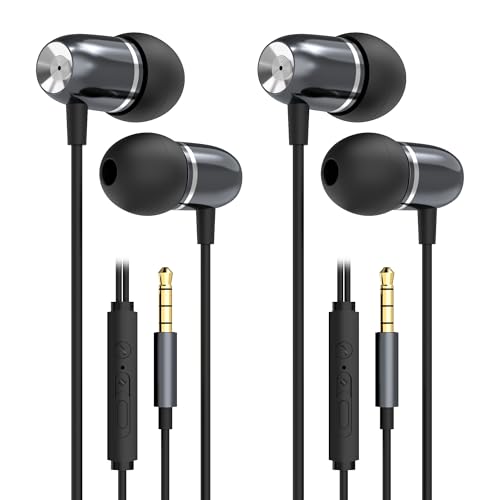
- Smaller body with XS, S, and M tips
- Built-in mic and multifunction button
- Two-pack for school, calls, and media
Best For: Students and families needing affordable wired earbuds
Open-Ear Comfort Pick
Kinglucky Clip-On Earbuds Gen 3

- Open-ear clip design avoids ear-canal pressure
- Bluetooth 6.0 and up to 50 hours with case
- IPX5 protection and dual-mic ENC calls
Best For: Small-ear and glasses wearers wanting secure open-ear audio
Best for Sleep Comfort

- Ultra-mini 3g low-profile design
- Up to 32 hours with charging case
- Bluetooth 6.0 with LED display
Best For: Side sleepers and quiet relaxation
Best Lightweight Sleep Pick
Ultra-Compact Bluetooth Earbuds

- 0.08oz per earbud for a light fit
- Low-profile design for side sleepers
- Bluetooth 5.3 with touch controls
Best For: Side sleepers wanting tiny, portable earbuds
Best Invisible Fit
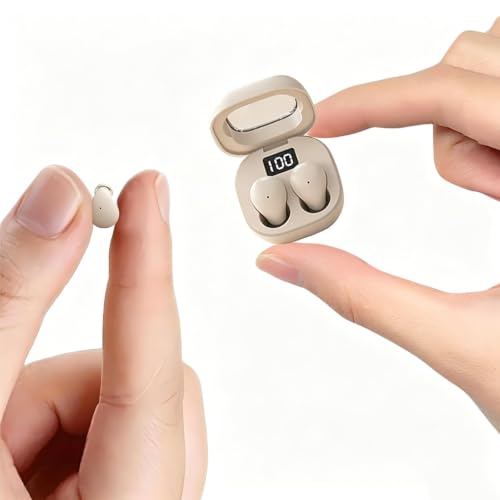
- Peanut-sized, low-profile design
- About 30 hours with the charging case
- Bluetooth 5.3 with sleep-friendly fit
Best For: Discreet office, travel, and sleep listening
Best for Side Sleepers
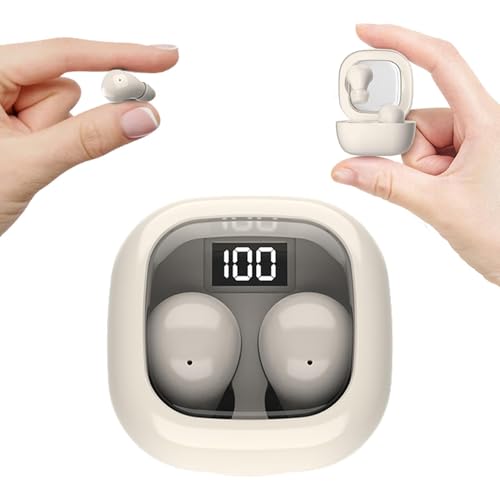
- Low-profile shape targets side-sleeping comfort
- Skin-tone design keeps them discreet
- Up to 24 hours with the charging case
Best For: Small ear canals, side sleeping, and discreet listening
Smallest Wireless Pick – JLab JBuds Mini Tones
If you need headphones for small ears without giving up wireless convenience, the JLab JBuds Mini Tones are a strong fit. Each earbud weighs just 3.3g and is 30% smaller than the GO Pop+, while the charging case provides up to 20 hours of total listening.
Best For: Small-ear users who want compact wireless earbuds for commuting, work, or workouts.
Pros:
- Very compact 3.3g earbuds designed for a small, low-profile fit
- Bluetooth Multipoint connects to two devices at once
- IP55 sweat and dust resistance supports gym and outdoor use
- App-based EQ, Be Aware Audio, touch remapping, and volume limiting
Cons:
- Only 5.5 hours of playtime per earbud charge
- No 3.5mm headphone jack
- Uses passive noise cancellation rather than active noise cancellation
The JBuds Mini Tones stand out for their especially small housing and useful everyday controls. They are a practical choice when fit is the priority, though wired listeners or shoppers seeking active noise cancellation should look elsewhere.
Simple Wired Value – JVC Gumy HAFX7V
The JVC Gumy HAFX7V is a straightforward wired option for shoppers seeking headphones for small ears. Its soft silicone ear tips come in small, medium, and large sizes, so you can choose the fit that seals comfortably without relying on Bluetooth or charging.
Best For: Budget-minded listeners, kids, and anyone who prefers a dependable 3.5mm connection.
Pros:
- Includes small, medium, and large silicone ear tips
- 3.3-foot cord works with devices that have a standard headphone jack
- Dynamic drivers are designed for deep bass and clean treble
- Sound isolation helps reduce surrounding noise
Cons:
- Wired design is less convenient than wireless earbuds
- Requires a device with a 3.5mm audio jack
- Does not offer wireless controls or charging-case convenience
With multiple tip sizes and a lightweight 1.12-ounce design, the Gumy is an uncomplicated fit-focused choice. It makes the most sense for compatible phones, laptops, and other devices where a wired connection is welcome.
Small-Ear Classroom Pick – EP05 Wired Earbuds 2-Pack
For headphones for small ears used at school or during online learning, the EP05 wired earbuds include XS, S, and M silicone tips. The smaller earbud body and included XS tips are intended to help petite ears find a comfortable seal.
Best For: Students, teens, and families needing affordable wired earbuds for school, calls, music, or gaming.
Pros:
- Two-pack provides a spare or a second pair
- XS, S, and M tips support smaller ear canals
- Built-in microphone and multifunction button handle calls and playback
- Works with many 3.5mm-compatible phones, tablets, laptops, consoles, and Chromebooks
Cons:
- Wired connection requires a 3.5mm headphone jack
- Notes do not specify water-resistance protection
- Fit and features are oriented toward practical use rather than wireless convenience
The EP05 is a sensible value when small tips and a backup pair matter more than Bluetooth. Its microphone and broad 3.5mm compatibility also make it useful for lessons, calls, and everyday media.
Open-Ear Comfort Pick – Kinglucky Clip-On Earbuds Gen 3
The Kinglucky Clip-On Earbuds Gen 3 take a different approach to headphones for small ears: an open-ear, clip-on design that avoids placing an earbud inside the ear canal. Longer, thinner hooks aim to reduce pressure while keeping the earbuds secure during movement.
Best For: Small-ear users and glasses wearers who want open-ear wireless audio for exercise, commuting, and extended wear.
Pros:
- Open-ear clip-on design avoids in-ear canal pressure
- Longer, thinner hooks are designed for a secure fit during workouts
- Up to 50 hours of total playtime with the charging case
- Bluetooth 6.0, dual-mic ENC, and IPX5 water resistance
Cons:
- Open-ear sound does not provide the same isolation as sealed earbuds
- Battery claim is up to 7 hours per charge, with the rest provided by the case
- Clip-on styling may not suit shoppers wanting a conventional earbud shape
This model is particularly appealing if traditional in-ear tips create pressure or if you wear glasses. Its secure clip and long stated battery life suit active use, while the open design trades isolation for comfort and awareness.
Best for Sleep Comfort – Mini Silicone Sleep Earbuds
If you need headphones for small ears that are comfortable during rest, these ultra-mini earbuds use a low-profile in-ear design intended to reduce pressure for side sleepers. Their 3g weight, sound-isolating fit, and beige finish make them suited to sleep, travel, and relaxed everyday listening.
Best For: Side sleepers and anyone seeking lightweight earbuds for sleep or quiet relaxation.
Pros:
- Ultra-mini, 3g design is made to feel unobtrusive in the ear.
- Low-profile shape helps reduce pressure when lying on your side.
- Up to 32 hours of total listening with the charging case.
- Bluetooth 6.0, touch controls, microphone, and an LED battery display.
Cons:
- Each earbud provides up to 4 hours of playback before recharging.
- Sound isolation is passive rather than advanced active noise cancellation.
- The design is primarily intended for sleeping rather than sports use.
This is a practical choice when small-ear comfort and a discreet sleeping profile matter more than extended single-charge playback or sport-focused durability.
Best for Small-Ear Sports – Q61 Earhook Wireless Earbuds
For shoppers comparing headphones for small ears for exercise, these Q61 earbuds combine a small in-ear profile with flexible silicone earhooks. The secure fit, IP7 waterproof rating, long case battery life, and Bluetooth 5.3 connection make them geared toward running and outdoor activities.
Best For: Small-eared runners and active users who want a secure, sweat- and water-resistant fit.
Pros:
- Soft silicone earhooks are designed to stay secure during sports.
- IP7 waterproof construction helps protect against rain and sweat.
- Up to 48 hours of listening time with the charging case.
- 13.4mm drivers, touch controls, microphone, and Bluetooth 5.3.
Cons:
- Earhooks may be less discreet than ultra-mini sleep earbuds.
- The sport-oriented fit may not be ideal for sleeping or lying on your side.
- Bluetooth range is listed as 10 meters.
The Q61 stands out for active users who need small-ear compatibility and stability, especially when water resistance and battery capacity are higher priorities than a barely-there design.
Best Lightweight Sleep Pick – Ultra-Compact Bluetooth Earbuds
These ultra-light earbuds are a strong option for shoppers looking for headphones for small ears for overnight use. Their low-profile shape, pressure-free fit, and 0.08oz-per-earbud weight are designed for side sleepers, while Bluetooth 5.3 and touch controls support convenient everyday listening.
Best For: Side sleepers who want tiny earbuds with a portable case and simple controls.
Pros:
- Ultra-compact design weighs just 0.08oz per earbud.
- Low-profile fit is designed to minimize pressure for side sleeping.
- 13mm drivers support deep bass and clear calls.
- Bluetooth 5.3, auto pairing, touch controls, and a battery display.
Cons:
- Playback is up to 4 hours per charge, with 24 hours total from the case.
- Sound control is listed as sound isolation, not active noise cancellation.
- The supplied details do not specify a water-resistance rating.
Choose these earbuds when a feather-light, small-ear fit is the main goal. They offer useful everyday features, though their total battery capacity is lower than the sport-focused alternative in this roundup.
Best for Active Small Ears – A12 Earhook Earbuds
If you want headphones for small ears that stay secure during movement, these A12 wireless earbuds combine a compact in-ear fit with soft rubber earhooks. They also offer long battery life, water resistance, and a charging-case display for easier everyday use.
Best For: Running, workouts, cycling, and listeners who need a secure fit for smaller ears.
Pros:
- Soft earhooks are designed to support different ear sizes, including small ears.
- Up to 72 hours of total playtime with the charging case and digital battery display.
- Bluetooth 5.3, 10mm drivers, enhanced bass, and microphone support for calls.
- IPX7 waterproofing helps protect against sweat and rain.
Cons:
- The earhook design is more noticeable than low-profile earbuds.
- The listed battery charge time is up to seven hours.
The A12 is a practical choice when fit security matters more than a nearly invisible appearance. Its earhooks and IPX7 rating make it particularly suitable for active use, while the large total battery capacity reduces charging interruptions.
Best Invisible Fit – Mini Earbuds for Small Ears
These mini earbuds are a strong option for shoppers seeking headphones for small ears with a discreet, lightweight profile. Their peanut-sized design sits inside the ear, making them suitable for office use, travel, relaxation, and sleep listening.
Best For: Office workers, travelers, and people who prefer tiny, low-profile earbuds for sleep or daily wear.
Pros:
- Ultra-compact design weighs about 0.08 ounces per earbud and is intended to be nearly invisible from the front.
- Bluetooth 5.3 provides a stable wireless connection with low latency.
- The case extends total listening time to about 30 hours and includes an LED power display.
- Lightweight construction is designed for extended wear and sleeping.
Cons:
- Each charge provides approximately four to five hours of playback.
- The tiny form factor may provide fewer controls and features than larger sport earbuds.
If discreet size is your priority, these earbuds are among the most focused choices in this roundup. The short per-charge runtime is offset by the case, making them better for low-profile convenience than marathon listening sessions.
Best for Side Sleepers – Invisible Mini Sleep Earbuds
For shoppers comparing headphones for small ears specifically for nighttime use, these invisible mini earbuds emphasize a low-profile shape and pressure-free comfort. The design is aimed at side sleepers while still supporting Bluetooth 5.3 audio and calls.
Best For: Side sleepers and users who want discreet earbuds for nighttime listening, work, or light activity.
Pros:
- Small, low-profile construction is designed to reduce pressure for side sleeping.
- Skin-tone styling and an invisible design help keep the earbuds discreet.
- Bluetooth 5.3 supports wireless audio and calls with an included microphone.
- Provides about four hours from the earbuds and up to 24 hours with the case.
Cons:
- Earbud battery life is limited to about four hours per charge.
- The case and earbuds require recharging for longer listening periods.
This model makes the most sense when sleeping comfort and concealment are more important than extended standalone battery life. Its compact shape is purpose-built for small ear canals and side-sleeping use, with the case adding several additional charges.
How We Picked the Best Headphones for Small Ears
We evaluated these Headphones for Small Ears by focusing on the factors that most affect real-world comfort and usability: compact dimensions, included ear-tip choices, stability, wearing pressure, sound delivery, battery performance, connection features, and durability. We also considered different use cases rather than assuming one style works for everyone.
The selection includes true wireless earbuds, wired pairs, clip-on and open-ear models, sports earbuds with earhooks, and low-profile sleep designs. Because comfort is highly individual, a model with excellent specifications may still be a poor fit if its housing is too large or its shape does not suit your ears.
Quick Comparison
| Best For | Recommended Style | What to Prioritize |
|---|---|---|
| Everyday listening | Compact true wireless earbuds | Small housing, multiple tips, reliable controls |
| Sleeping | Low-profile sleep earbuds | Minimal protrusion, soft silicone, light weight |
| Running and workouts | Earhook or secure-fit earbuds | Stability, sweat resistance, battery life |
| Glasses wearers | Open-ear or clip-on earbuds | Low temple pressure and secure positioning |
| Lowest cost | Wired earbuds | Simple controls, replacement value, tip fit |
Key Buying Factors for Headphones for Small Ears
Size and Ear-Tip Fit
Look for a compact shell and several silicone tip sizes, especially extra-small options. The correct tip should seal without painful pressure. A poor seal reduces bass and makes you raise the volume, while an overly tight tip can cause soreness.
Stability Without Excess Pressure
Earhooks and wing tips can help during exercise, but they may add bulk. Clip-on and open-ear designs avoid blocking the canal, though they usually provide less isolation and weaker bass than sealed earbuds.
Sleeping Comfort
Side sleepers should prioritize very low-profile earbuds with rounded edges and minimal controls that press against the pillow. Sleep models are generally better suited to comfort than conventional stem-style earbuds.
Battery, Controls, and Connectivity
Check total case playtime separately from single-charge runtime. Multipoint Bluetooth can be useful for switching between a phone and laptop, while physical buttons may be easier to operate than touch controls on tiny earbuds.
Water Resistance and Sound
For workouts, choose a model with a clearly stated sweat or water-resistance rating. For commuting, stronger passive isolation may matter more than maximum volume. Remember that open-ear designs are preferable when hearing surrounding traffic is important.
Who Should Buy Which Headphones for Small Ears?
Choose compact true wireless earbuds for general listening, calls, and commuting. Pick wired earbuds if you want an inexpensive, plug-and-play option without charging. Runners and active users should favor earhooks or another secure-fit design, while people who wear glasses may find clip-on or open-ear headphones less intrusive.
For bedtime audio, select a dedicated low-profile sleep model rather than adapting bulky everyday earbuds. If your ears are especially sensitive, begin with the lightest design and the smallest compatible tips, then test comfort for short periods before wearing them for hours.